
 AI
AI
 AI
AI
 AI
AI
Ingredients
Method
-
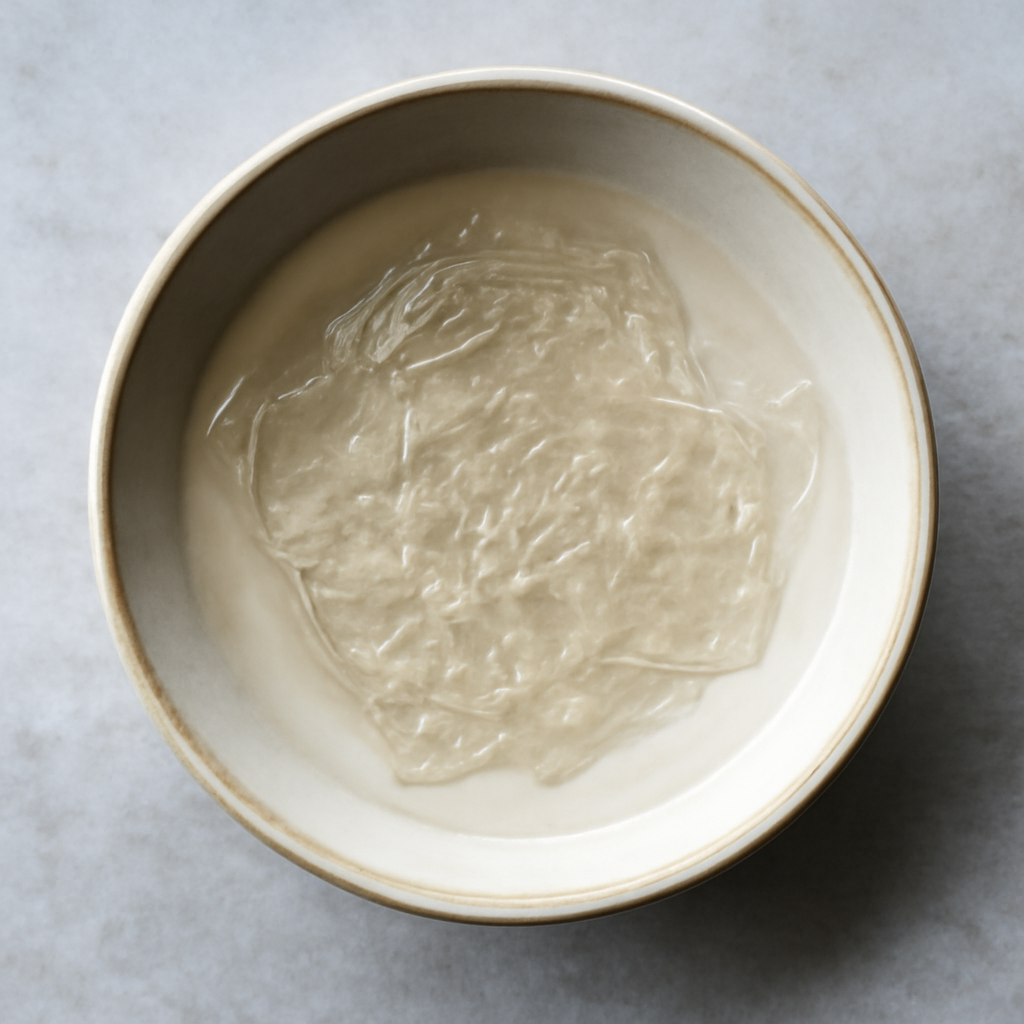
Submerge the gelatine leaves in a shallow bowl of cold water. They need at least 5 minutes to soften fully. Do not rush this; underbloomed gelatine dissolves unevenly and leaves rubbery flecks in the finished pudding.
-
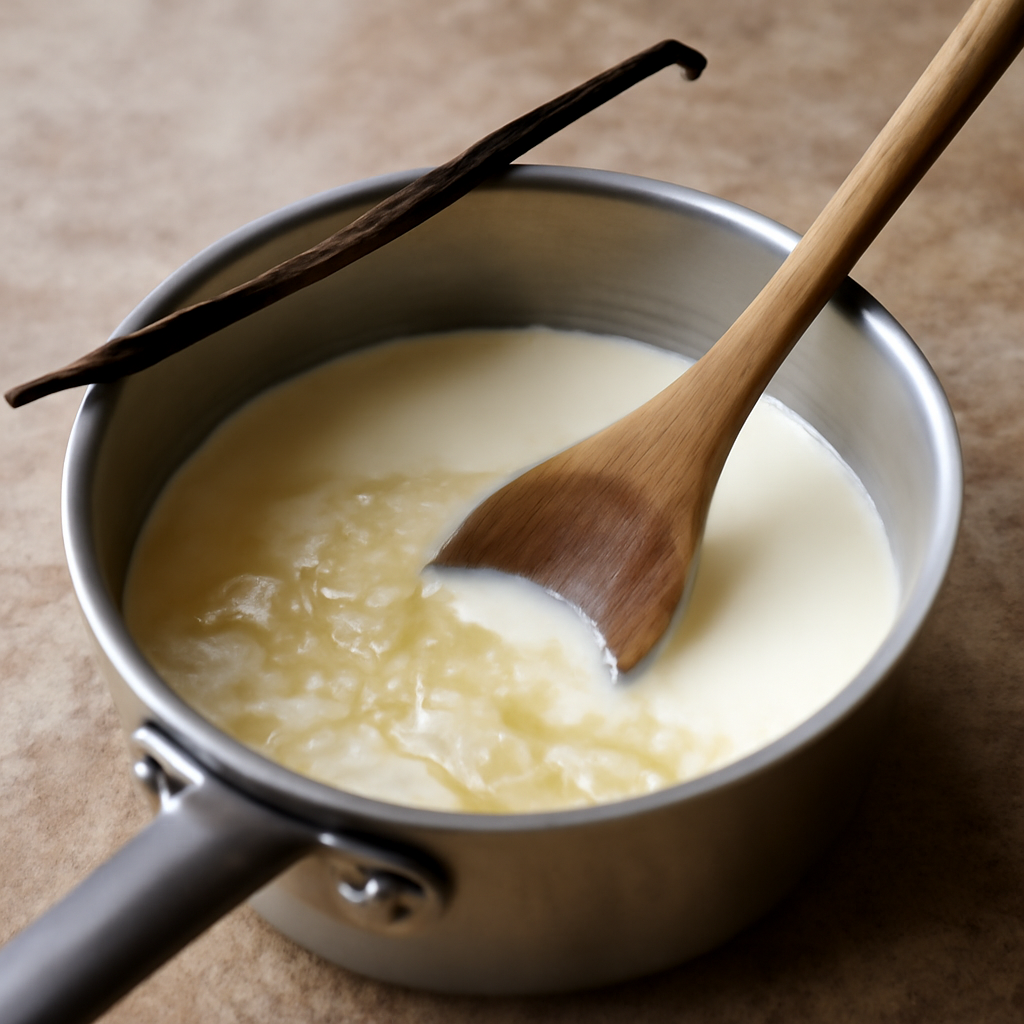
Pour the double cream into a small saucepan. Split the vanilla pod lengthways, scrape the seeds into the cream, and drop in the pod itself. Add the caster sugar and the pinch of sea salt. Heat gently over a low flame, stirring occasionally, until the sugar has completely dissolved and the cream just begins to steam. This takes about 3 to 4 minutes. Do not let it boil.
-
Remove the pan from the heat. Lift the gelatine leaves from the cold water and squeeze out as much water as you can with your hands, then drop them directly into the hot cream. Stir steadily for 60 seconds until they have dissolved entirely. Run a finger along the back of the spoon: if you feel any gritty resistance, return the pan to the lowest possible heat and stir for another 30 seconds. Remove the vanilla pod.
-
Pour the buttermilk into a large jug or bowl. Add the lemon zest. Slowly pour the warm cream mixture into the buttermilk, stirring as you go rather than adding it all at once. Mixing cold buttermilk into hot cream in one go risks curdling the surface. The finished mixture will look thin and slightly frothy at this stage; that is correct.
-
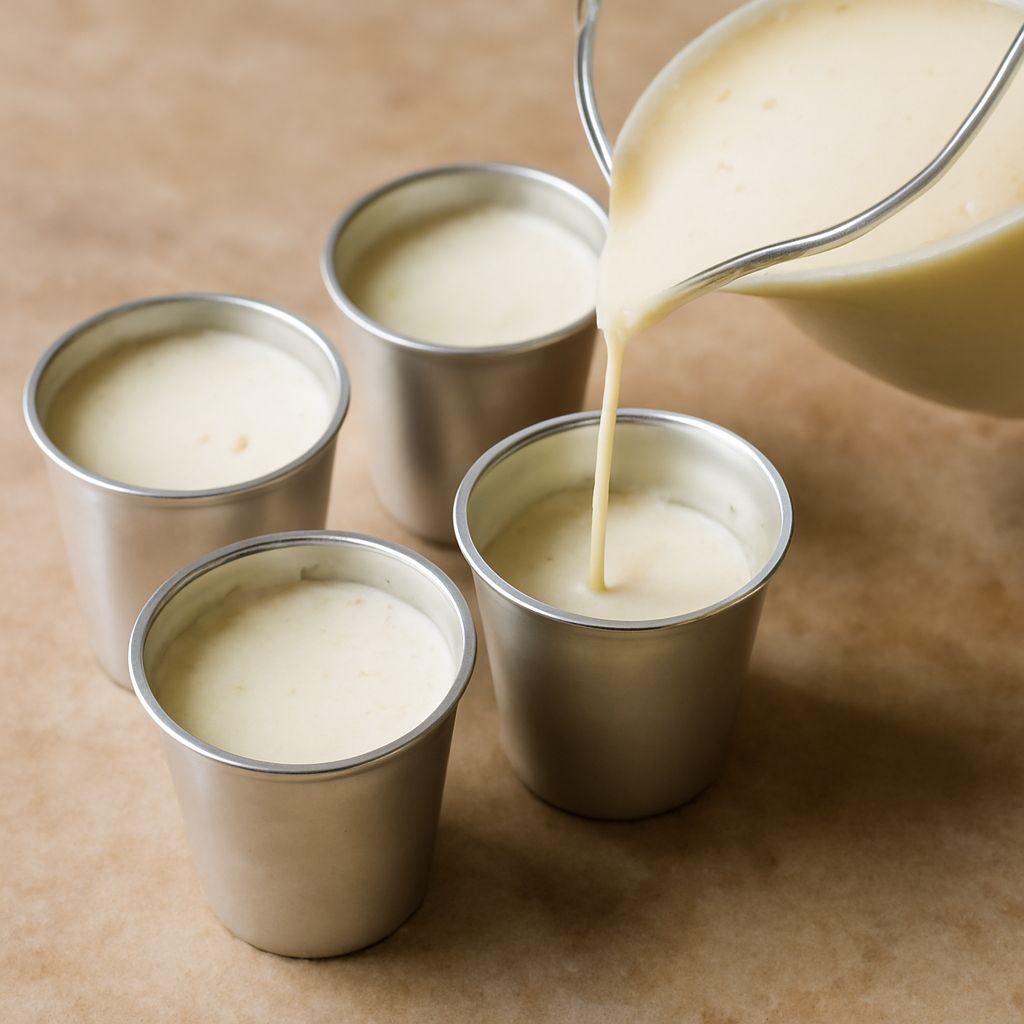
Lightly grease four 150ml dariole moulds or ramekins with a neutral oil applied on kitchen paper. A very thin film is enough. Pour the mixture evenly between the moulds. Tap each one gently on the worktop twice to settle any air bubbles.
-
Cover each mould loosely with cling film and refrigerate for a minimum of 4 hours. Overnight is better. The pudding should feel firm but with a slight wobble when you tilt the mould, like a just-set jelly rather than a solid block.
-
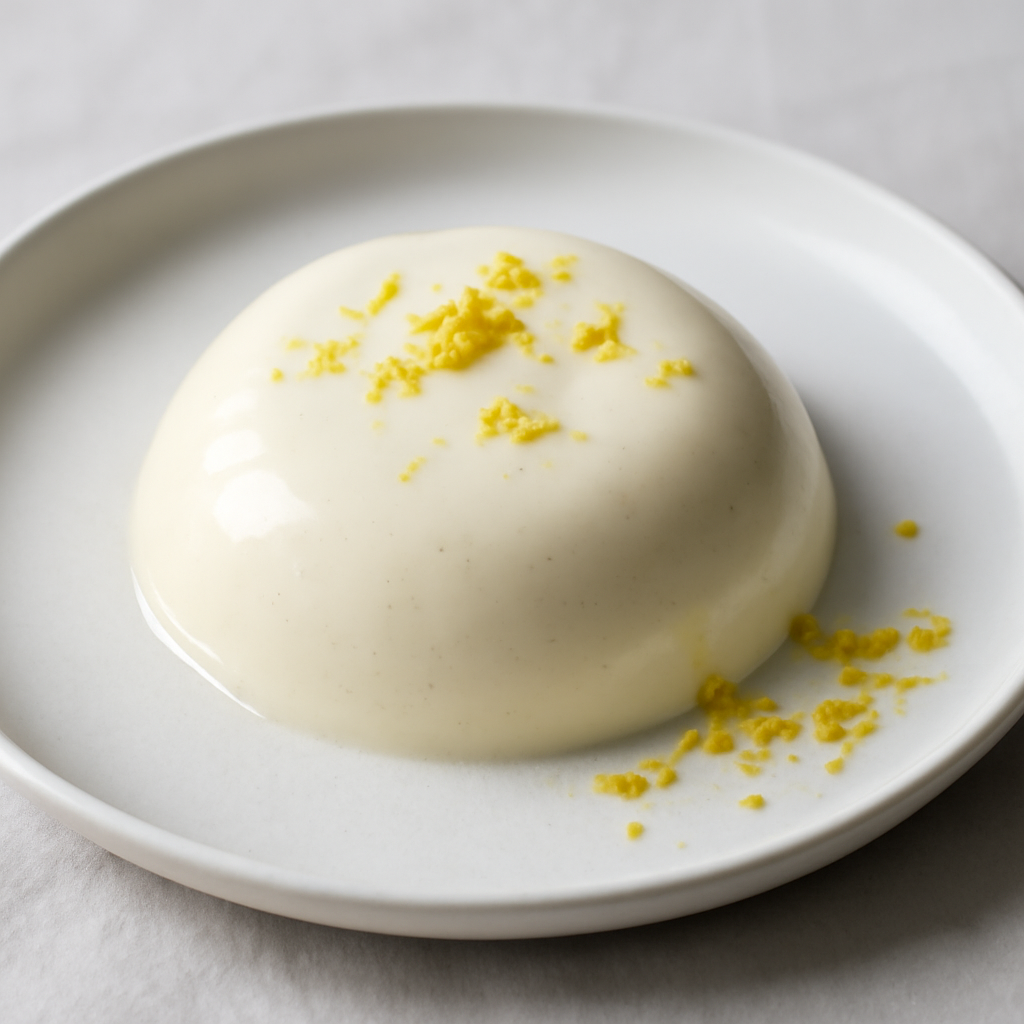
To unmould, run a small palette knife or thin butter knife around the inside edge of each mould. Place a serving plate face-down on top of the mould, hold both firmly together, and invert in one confident motion. If the pudding does not release immediately, hold the inverted mould for 10 to 15 seconds to let gravity assist. Do not shake repeatedly; that tears the surface. Serve straight away or keep plated in the fridge for up to an hour before serving.
Irish Context
Buttermilk has been used in Irish kitchens for a long time, primarily as a by-product of butter making. Where it was once mostly used for soda bread, pancakes, and animal feed, Irish dairy producers now sell it widely as a standalone ingredient with consistent acidity and fat content.
Brands like Glenisk and several smaller creameries supply cultured buttermilk that is noticeably sharper and more fragrant than the reconstituted versions sold elsewhere. That sharpness is what makes this pudding worth making over a standard panna cotta.
The flavour is closer to a mild soft cheese than to plain cream, and the slight tang sits against the sweetness in a way that plain double cream does not achieve.
Tips
Platinum-grade gelatine leaves are stronger than bronze or gold grade. If you only have gold grade, use 3.5 leaves for the same 500ml buttermilk base.
If using powdered gelatine instead of leaves, 7g sprinkled over 2 tablespoons of cold water and left to bloom for 5 minutes works equivalently, but dissolves slightly less smoothly. The buttermilk must be full-fat and genuinely cultured, not the thin, watery substitute sometimes sold in budget ranges.
The acidity and fat content both matter here. The pudding will taste flat and look pallid with low-fat buttermilk.
If you want to serve from a bowl rather than unmoulded, skip the greasing step and skip the gelatine by one leaf. The mixture will set to a softer, spoonable consistency rather than holding a free-standing shape.
A fruit accompaniment is the simplest way to serve this. A spoonful of rhubarb compote that has been cooked down with a little sugar and no water is a good match for the sourness in the buttermilk.
Poached gooseberries in elderflower syrup work equally well in season. If the pudding sets with a faint skin on top before you refrigerate it, that is the gelatine beginning to catch.
It will still be fine once set fully, but the surface of the unmoulded pudding will not be completely smooth. To avoid it, refrigerate within 15 minutes of pouring.

Author Commentary