
 AI
AI
 AI
AI
 AI
AI
Ingredients
Method
-
Grease a 20cm x 30cm high-sided baking tray generously with butter or a thin film of neutral oil. Set it on a heatproof surface near the hob before you start, because once the bicarb goes in, you will not have time to hunt for it.
-
Measure the bicarbonate of soda into a small bowl and set it within arm's reach. This step matters. If you are sifting through a cluttered spice drawer when the toffee is ready, the batch is gone.
-
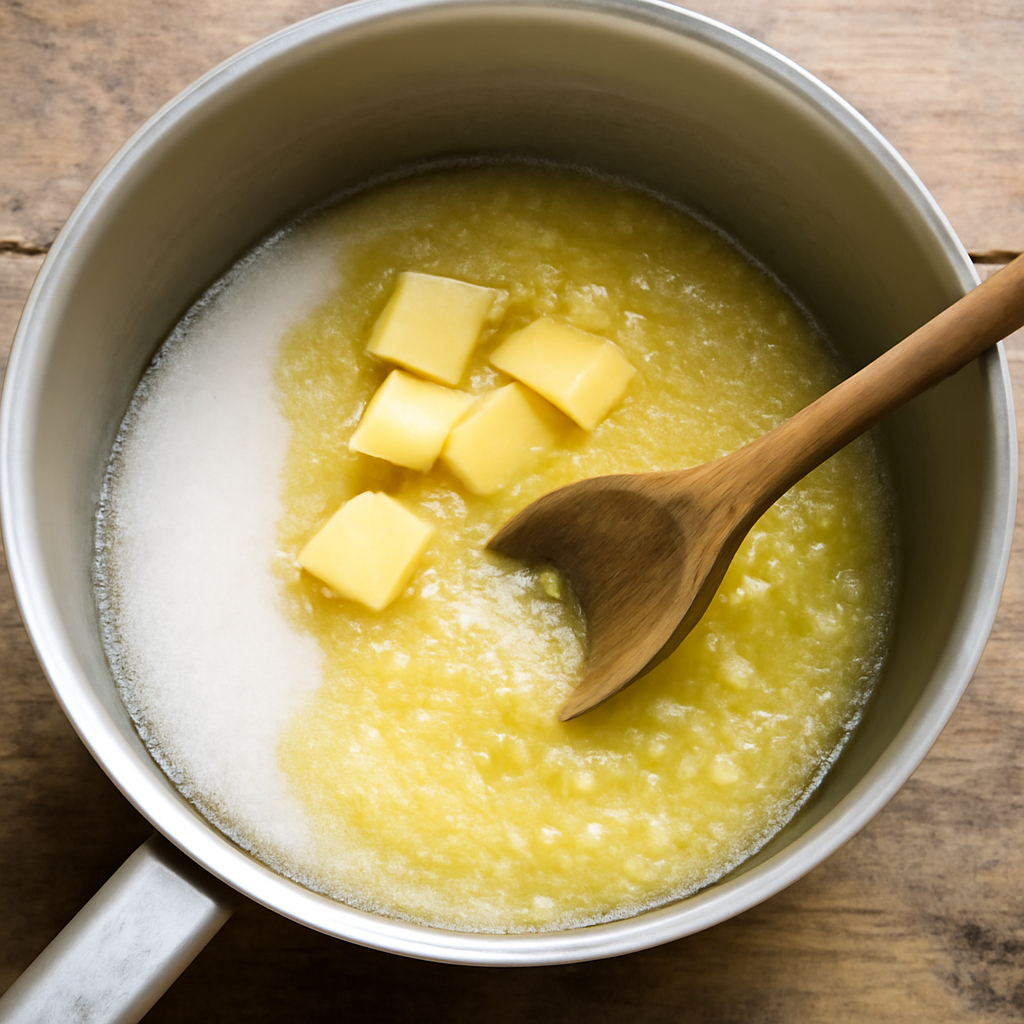
Put the sugar, golden syrup, butter, and vinegar into a large, heavy-based saucepan with sides at least 12cm high. The mixture will foam dramatically when the bicarb is added and it needs room. A 3-litre pan is not excessive.
-
Set the pan over a medium heat and stir steadily until the sugar has fully dissolved and the butter has melted into the syrup. The mixture will look slightly grainy at first, then glassy. Do not rush this stage by turning up the heat.
-
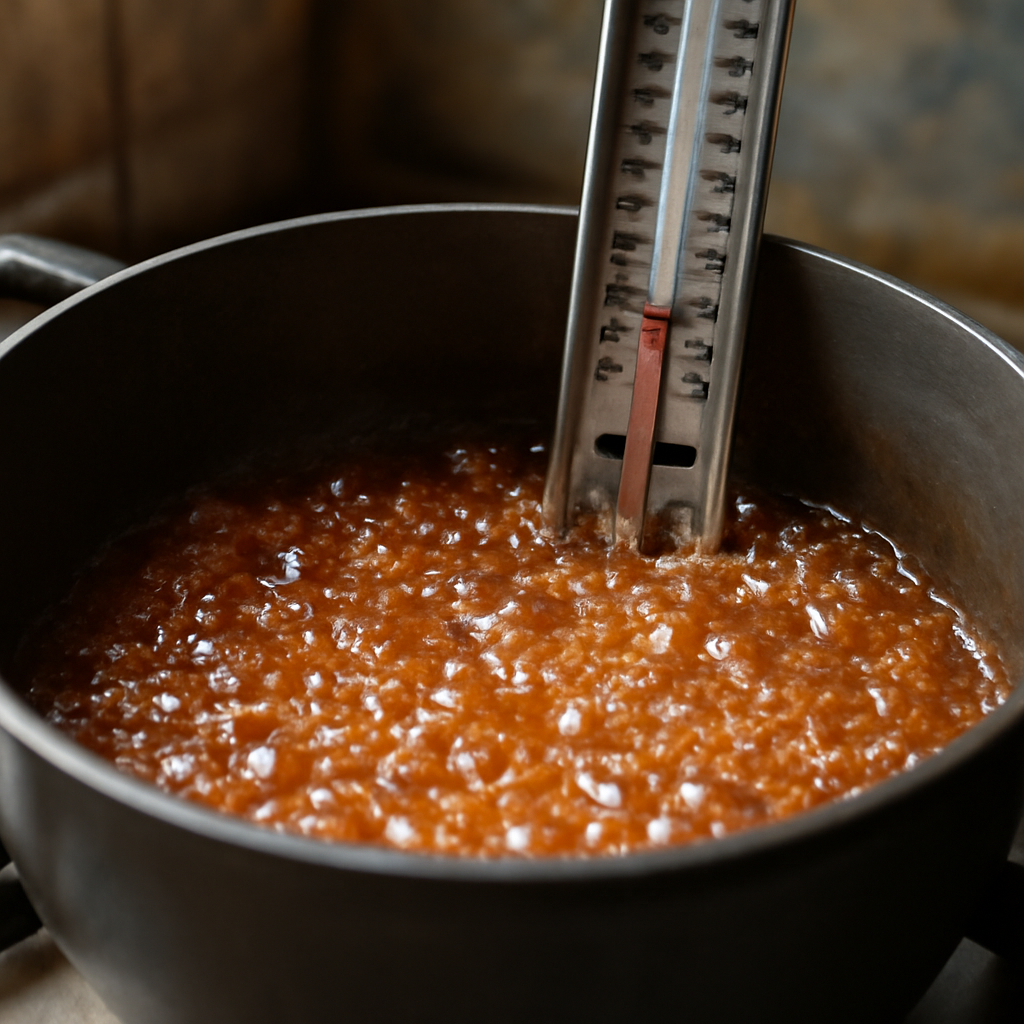
Once dissolved, stop stirring entirely. Clip a sugar thermometer to the inside of the pan. Increase the heat to medium-high and bring the mixture to a rolling boil without touching it. Stirring now encourages crystallisation.
-
Watch the thermometer and the colour together. The mixture will move through a deep amber at around 140 to 145 Celsius and continue climbing. You are aiming for 150 Celsius, which is the hard crack stage. At this temperature a drop of the mixture in cold water will set into a brittle thread that snaps cleanly.
-
At 150 Celsius, remove the pan from the heat immediately. Working quickly and carefully, tip in the bicarbonate of soda all at once and whisk vigorously for no more than five seconds. The mixture will erupt into a foaming, pale yellow mass that triples in volume. Stop whisking the moment it is incorporated; overworking it deflates the bubbles you need for the texture.
-
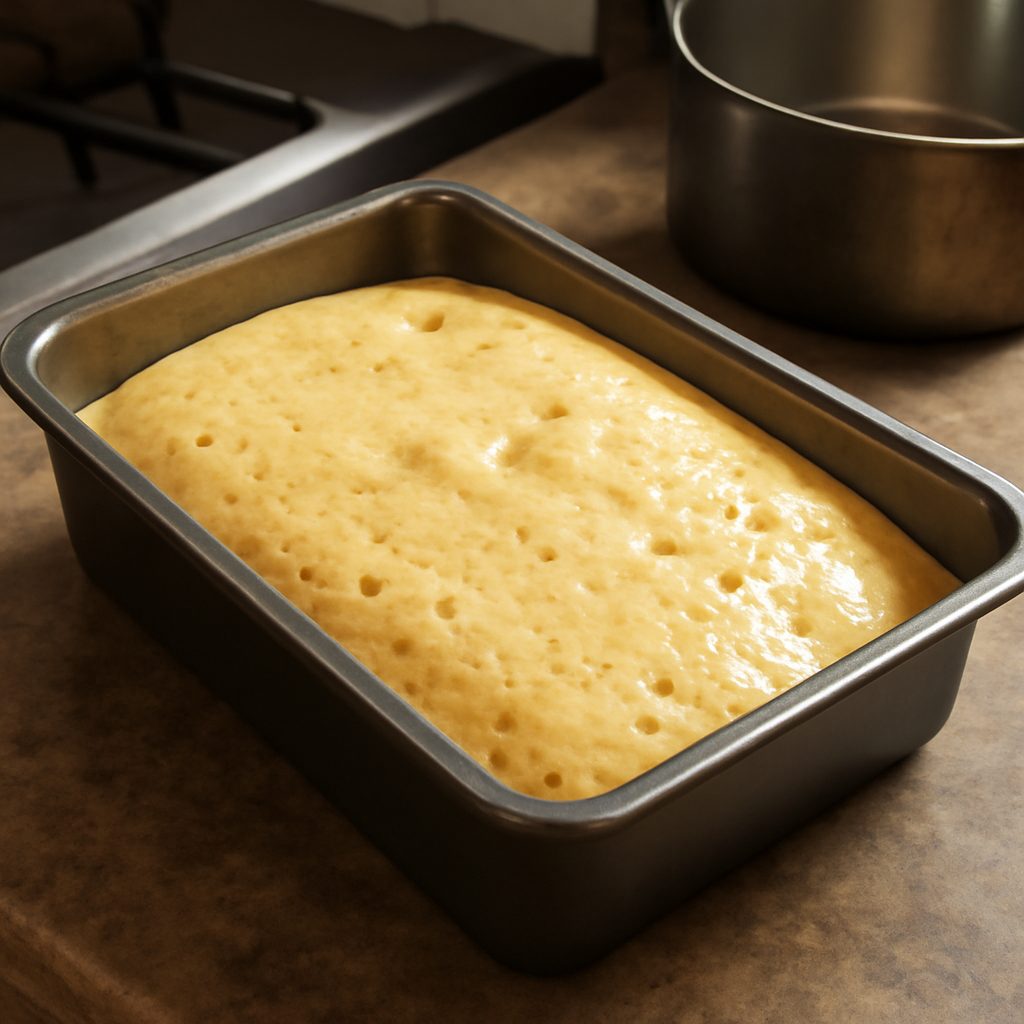
Pour the foaming mixture into the prepared tin in one go. Do not spread or press it down. The bubbles need to set exactly where they land. Tipping the tin slightly to guide the flow is acceptable but do not touch the surface with a spatula.
-
Leave to cool completely at room temperature for a minimum of one hour. Do not refrigerate; condensation will make the surface sticky and the toffee will never fully harden.
-
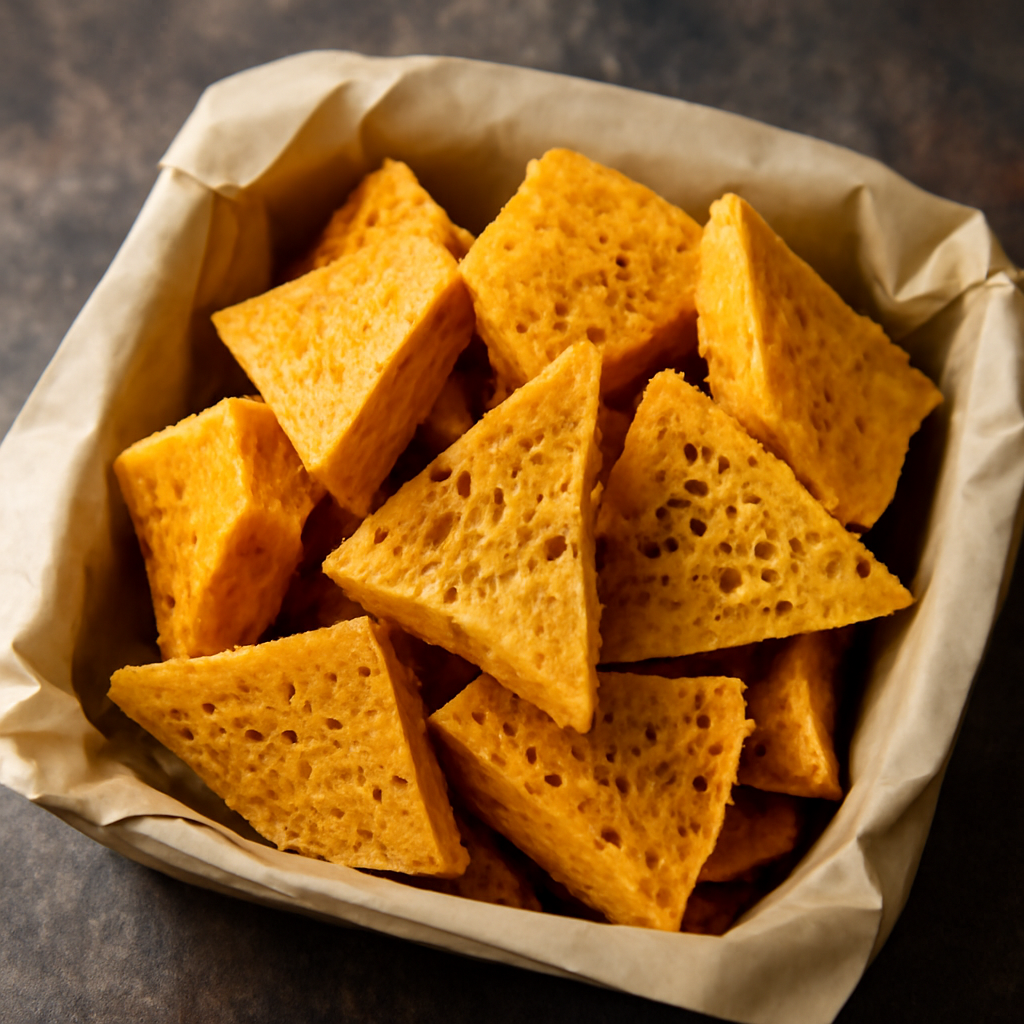
Once set, the slab will have lifted slightly from the tin and have a pale, matte gold surface with visible bubbles throughout. Crack it into irregular pieces by pressing a heavy knife straight down into it rather than dragging the blade. The shards should be jagged, not sliced. Store in an airtight tin lined with baking parchment, with parchment between layers.
Irish Context
Yellow Man is a boiled toffee sold at Auld Lammas Fair in Ballycastle, County Antrim, held each August. The fair is one of the oldest in Ireland.
The toffee has been sold there in paper bags alongside dulse, the dried seaweed, for as long as anyone can reliably document. The pairing of the two, one tooth-achingly sweet and brittle, the other intensely savoury and chewy, is the kind of combination that makes sense only once you have actually tried it.
Outside of Ballycastle and the surrounding area in late summer, Yellow Man is not especially easy to find commercially, which makes it worth knowing how to make at home. The recipe is simple enough that it can go badly wrong in a few very specific ways, all of which are avoidable with a thermometer and some attention.
Tips
If you do not have a sugar thermometer, use the cold water test. Drop a small amount of the boiling toffee into a glass of cold water at intervals.
At the hard crack stage the thread it forms will be rigid and snap without any bend. At soft crack it bends slightly before breaking.
You want the snap, not the bend. Humidity is the enemy of this toffee.
On a wet day it may stay tacky on the surface even after it appears set. Making it on a dry day, or in a kitchen with the extractor fan running, gives a noticeably better result.
The vinegar is not decorative. It helps prevent crystallisation and keeps the toffee smooth rather than grainy.
Do not leave it out. If the mixture seizes or crystallises against the side of the pan before it reaches temperature, the sugar was not fully dissolved at the start.
A clean brush dipped in cold water can be used to wash down any crystals on the pan sides during the initial dissolving stage. The toffee continues to harden as it cools.
What feels slightly tacky at thirty minutes will be fully brittle at ninety. Leave it alone.
Do not double the recipe in the same pan. The bicarb reaction needs headroom and doubling the quantity in a standard pan will send hot toffee over the sides.

Author Commentary