
 AI
AI
 AI
AI
 AI
AI
Ingredients
Method
-
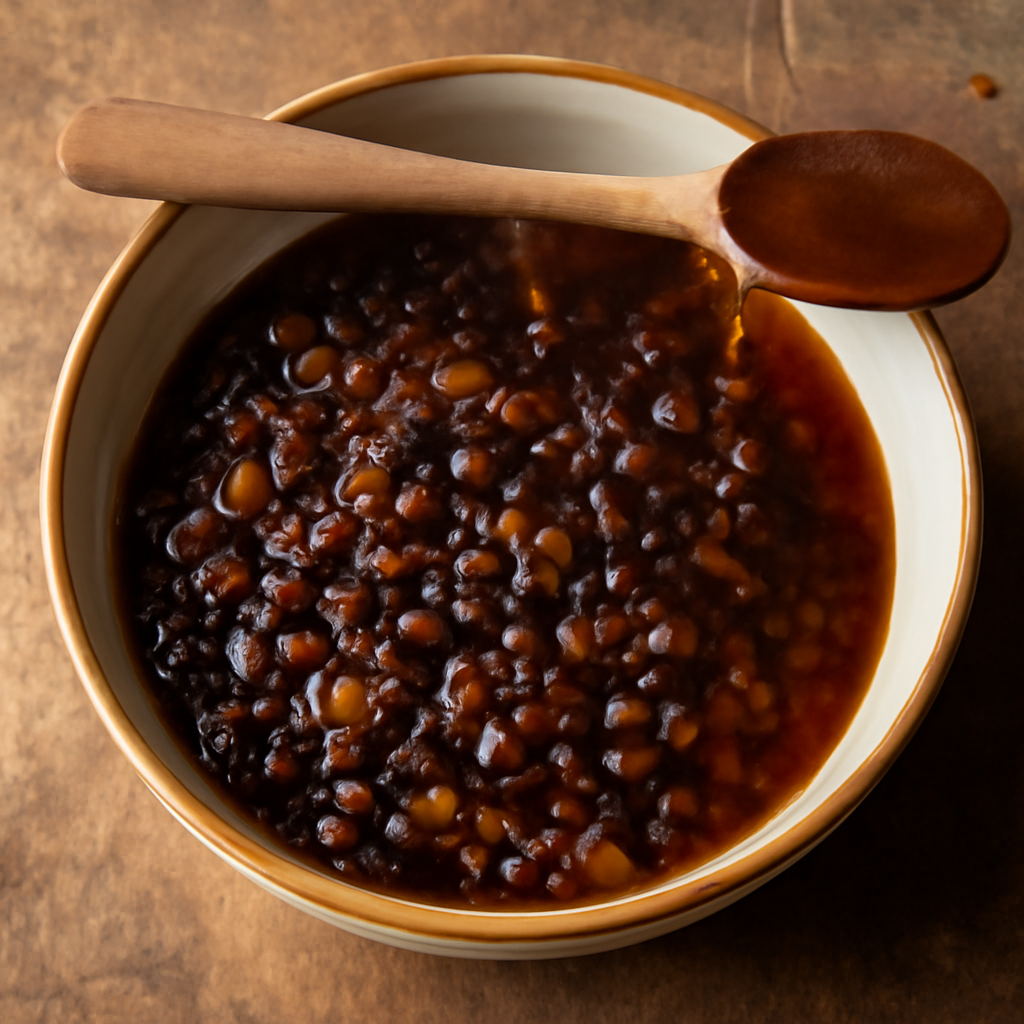
Place the dried fruit and mixed peel in a large bowl. Pour the hot tea over, stir briefly to combine, then cover the bowl with a clean tea towel and leave to soak for a minimum of 6 hours, or overnight. The fruit will absorb most of the liquid and swell considerably; any remaining liquid stays in the bowl.
-
When ready to bake, preheat the oven to 170°C (150°C fan). Grease a 900g (2lb) loaf tin and line the base and long sides with a strip of baking parchment, leaving a slight overhang to help lift the loaf out later.
-
Add the dark brown sugar and beaten egg to the soaked fruit. Stir well with a wooden spoon until the sugar has dissolved into the mixture and everything looks evenly combined.
-
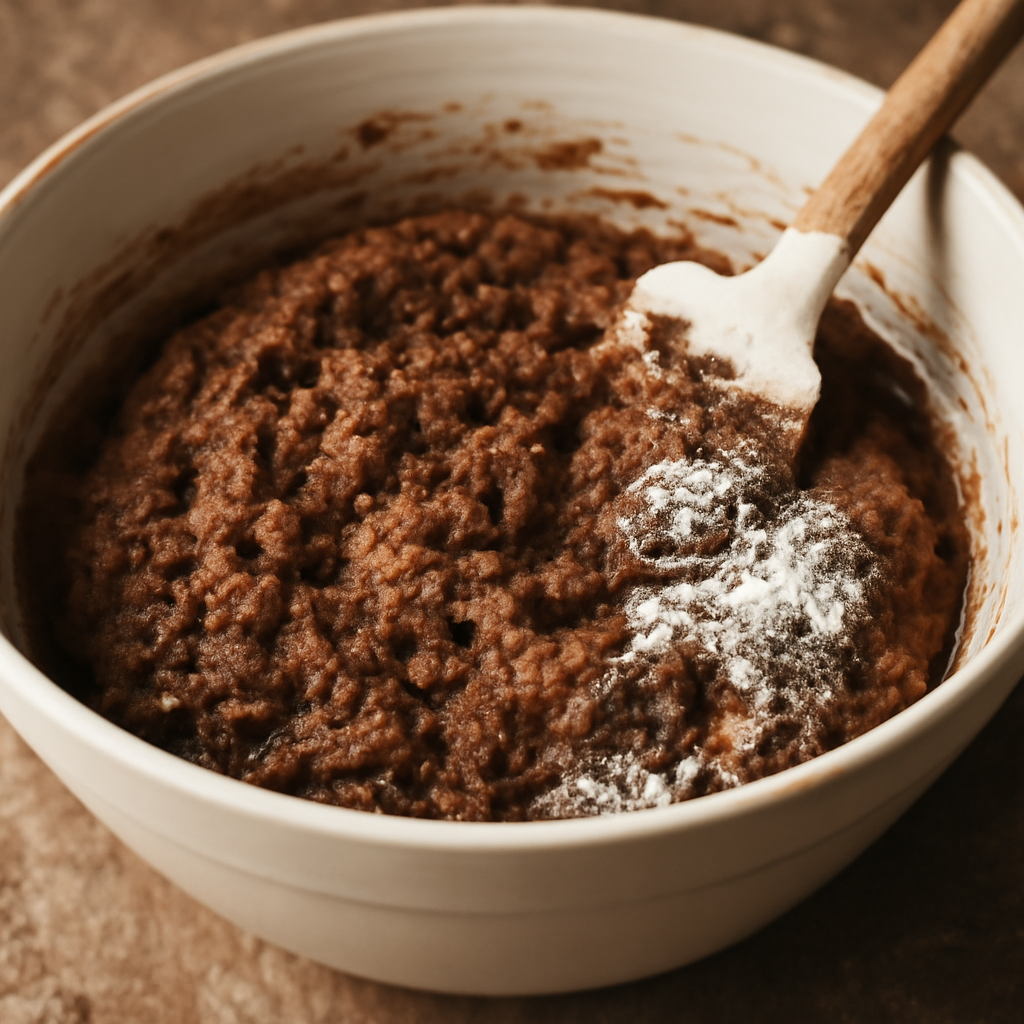
Sift the plain flour, baking powder, mixed spice, cinnamon, and nutmeg directly into the fruit bowl. Fold everything together with a spatula or wooden spoon until no dry streaks of flour remain. The batter will be thick and heavy, not pourable; this is correct. Do not over-mix once the flour is incorporated.
-
Scrape the batter into the prepared tin and level the top with the back of a wet spoon. The tin should be roughly two-thirds full.
-
Bake in the centre of the oven for 70 to 75 minutes, until the loaf is deep brown on top and a skewer inserted into the centre comes out clean. If the top is colouring too fast at the 50-minute mark, lay a piece of foil loosely over the tin.
-
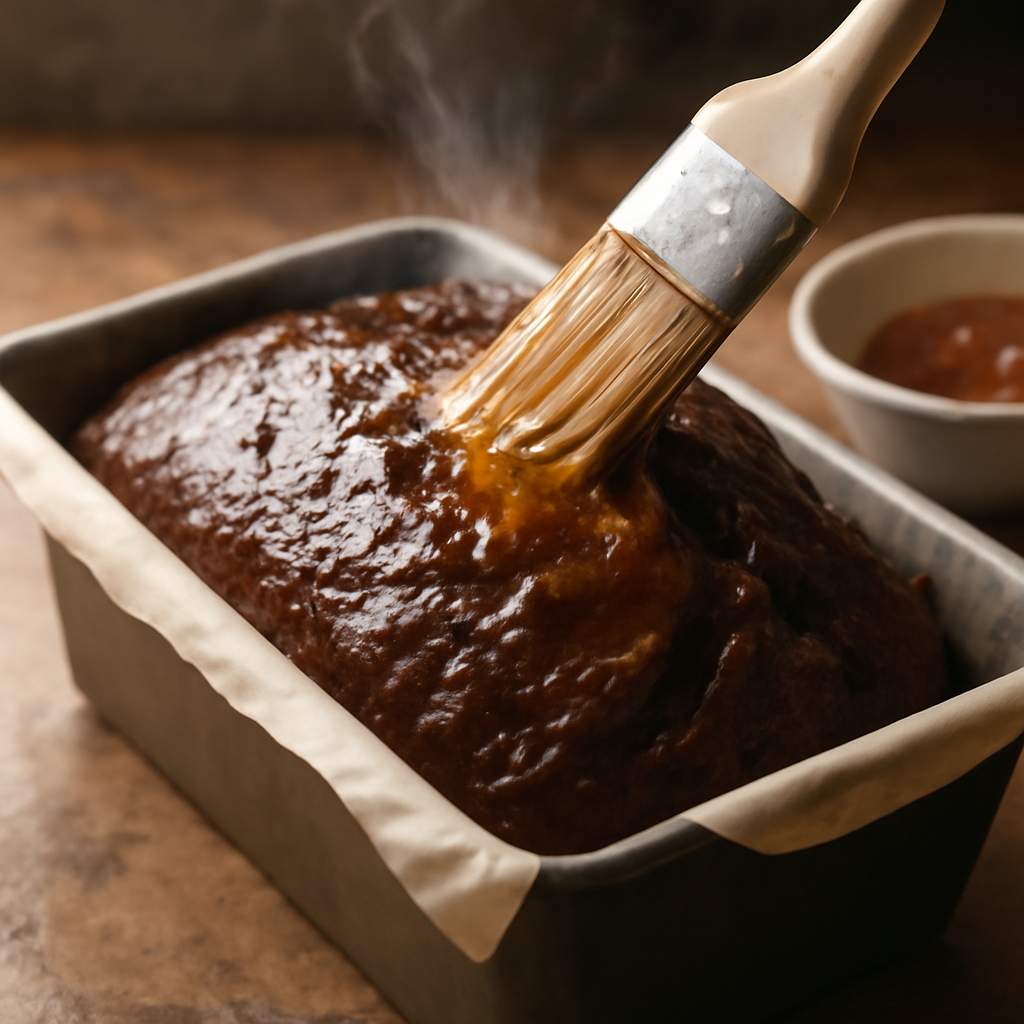
While the loaf is still hot from the oven, mix the marmalade with the boiling water in a small bowl until loosened. Brush this glaze over the top of the loaf; it will set to a thin, slightly sticky sheen as it cools.
-
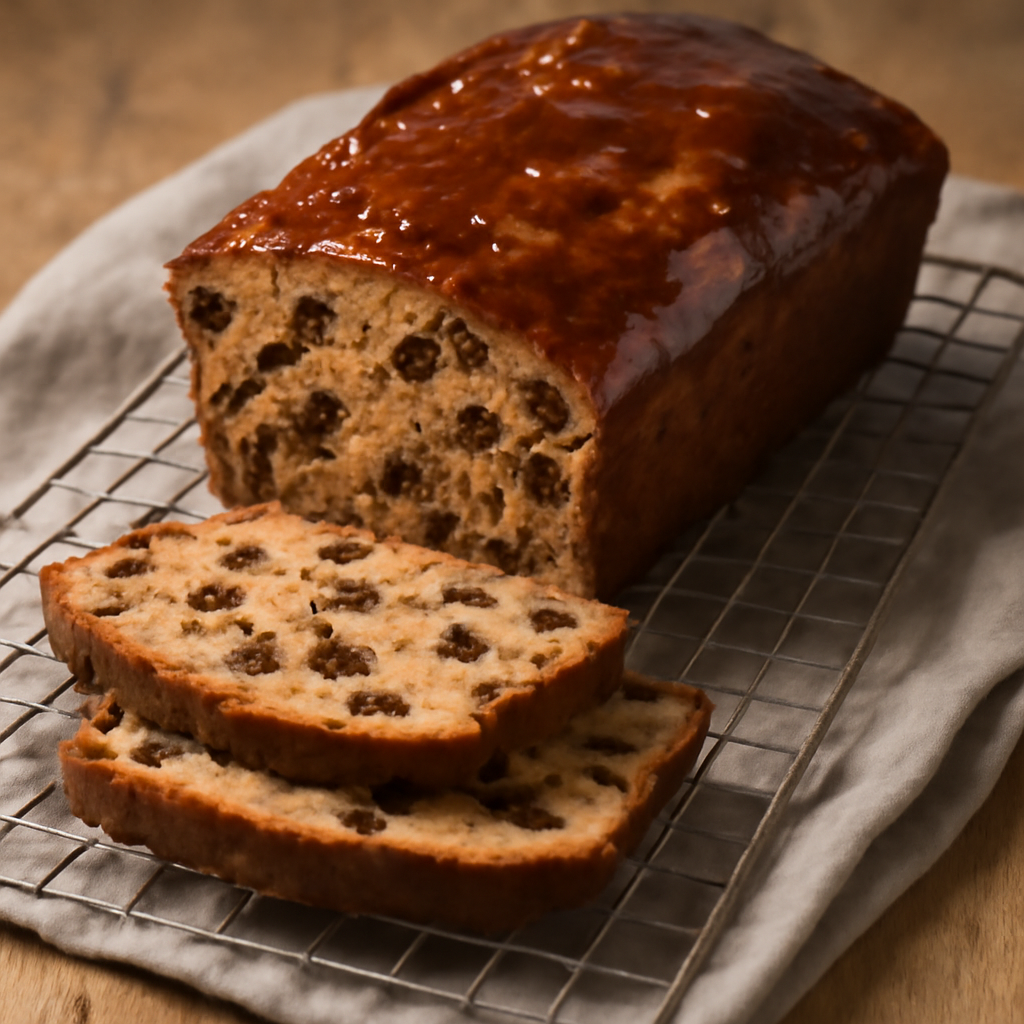
Leave the loaf to cool in the tin for 15 minutes before lifting it out onto a wire rack. Allow to cool completely before slicing, at least 1 hour. The crumb tightens and the fruit flavour deepens as it cools.
Irish Context
Barm brack is sold year-round in Irish bakeries and supermarkets, but it is most closely associated with Halloween, when loaves containing wrapped tokens are baked and sliced at the table. The name likely derives from the Irish 'bairín breac', meaning speckled loaf, which refers to the fruit distributed through the crumb.
The yeasted version, leavened with barm (the froth from fermenting ale), is the older form; this tea-brack version relies on baking powder and is the one most commonly made at home today. The two are distinct bakes with noticeably different textures.
A yeasted barm brack has more chew and a slightly open crumb; a tea brack is denser, moister, and keeps longer.
Tips
The overnight soak is not optional for best results. Fruit soaked for only an hour produces a drier loaf with a coarser texture; fruit soaked for eight or more hours gives the close, almost sticky crumb that defines a good barm brack.
Use a strong breakfast tea, such as Irish Breakfast blend. A weak or milky tea will not give enough colour or tannin to the batter.
Dark brown sugar rather than caster or light brown sugar gives a deeper flavour and a darker, more even crumb. Muscovado works well too, though it can make the batter slightly wetter.
The loaf is done when the skewer comes out clean, but also check that the sides have pulled slightly away from the tin. A loaf that is underbaked in the centre will collapse as it cools.
For Halloween, wrap a small coin, a ring, and a piece of cloth in small pieces of baking parchment and press them into the batter before baking. These are the traditional tokens; each one is said to carry a different meaning for whoever finds it in their slice.
Warn people before serving. Stored wrapped in foil at room temperature, the loaf keeps well for up to five days and the texture actually improves by day two.
It can also be frozen in slices.

Author Commentary