
 AI
AI
 AI
AI
 AI
AI
Ingredients
Method
-
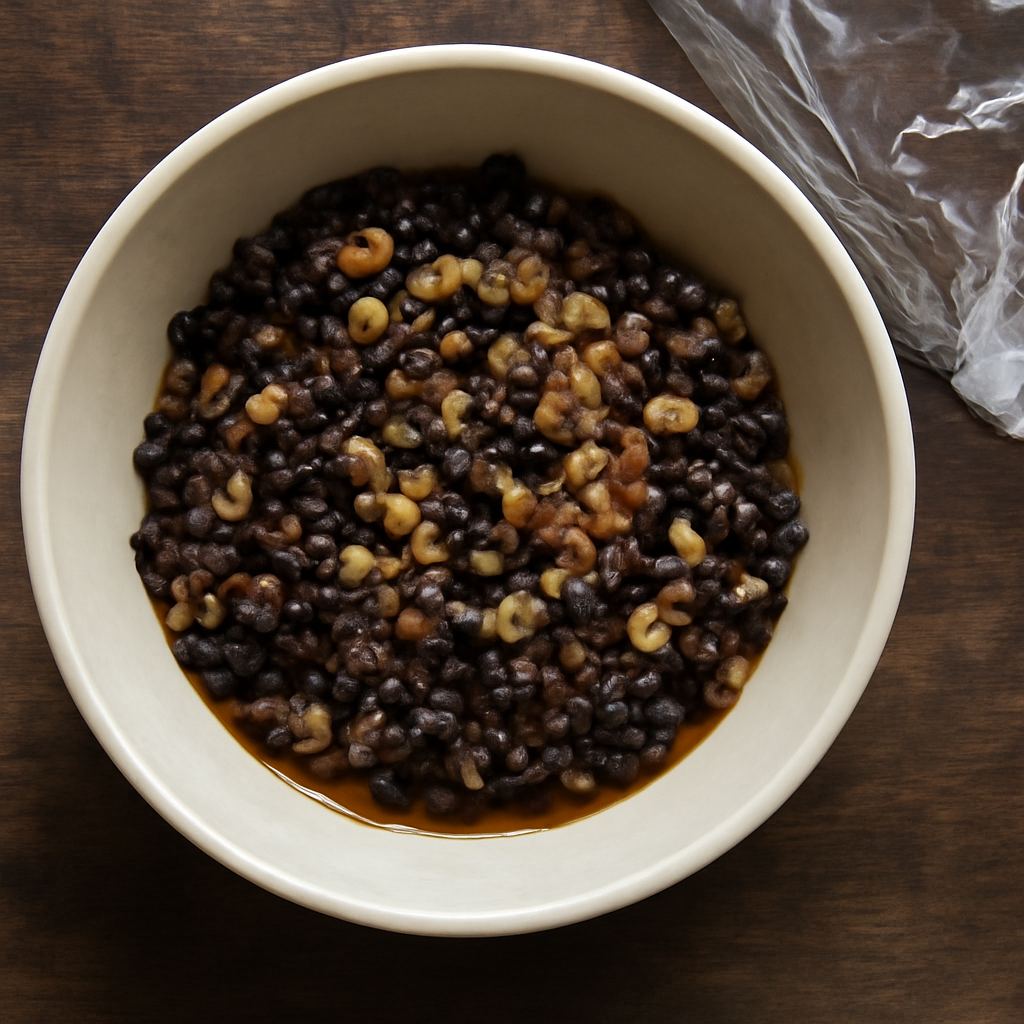
The evening before baking, combine the sultanas, currants, and candied peel in a large bowl. Pour over 120ml of the whiskey, stir well, cover tightly with clingfilm, and leave at room temperature overnight. The fruit will absorb most of the liquid and swell considerably; give it a stir before you go to bed if you think of it.
-
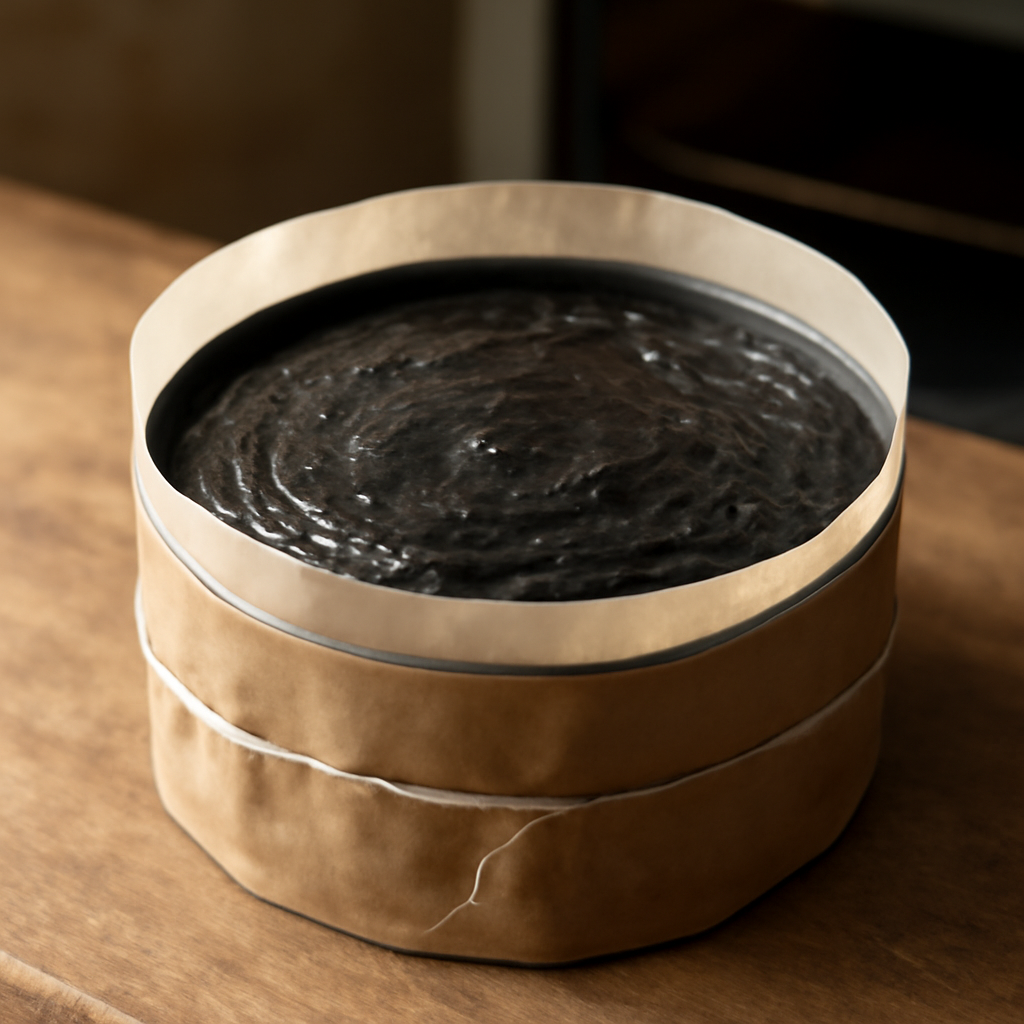
The following day, heat your oven to 150 degrees Celsius, fan setting. Grease a 20cm round, deep, loose-bottomed cake tin with butter, then line the base and sides with two layers of greaseproof paper, letting the paper come about 3cm above the rim. This protects the edges during the long bake.
-
Sift the plain flour, baking powder, cinnamon, nutmeg, allspice, and salt together into a bowl. Set aside.
-
In a large mixing bowl, beat the softened butter and dark muscovado sugar together with a wooden spoon or electric hand mixer for about 5 minutes until the mixture is noticeably lighter in colour and slightly fluffy. Muscovado clumps, so break it up with your fingers before you start if it has hardened.
-
Add the eggs one at a time, beating well after each addition. If the mixture begins to look split or curdled, add a tablespoon of the sifted flour and continue beating; it will come back together.
-
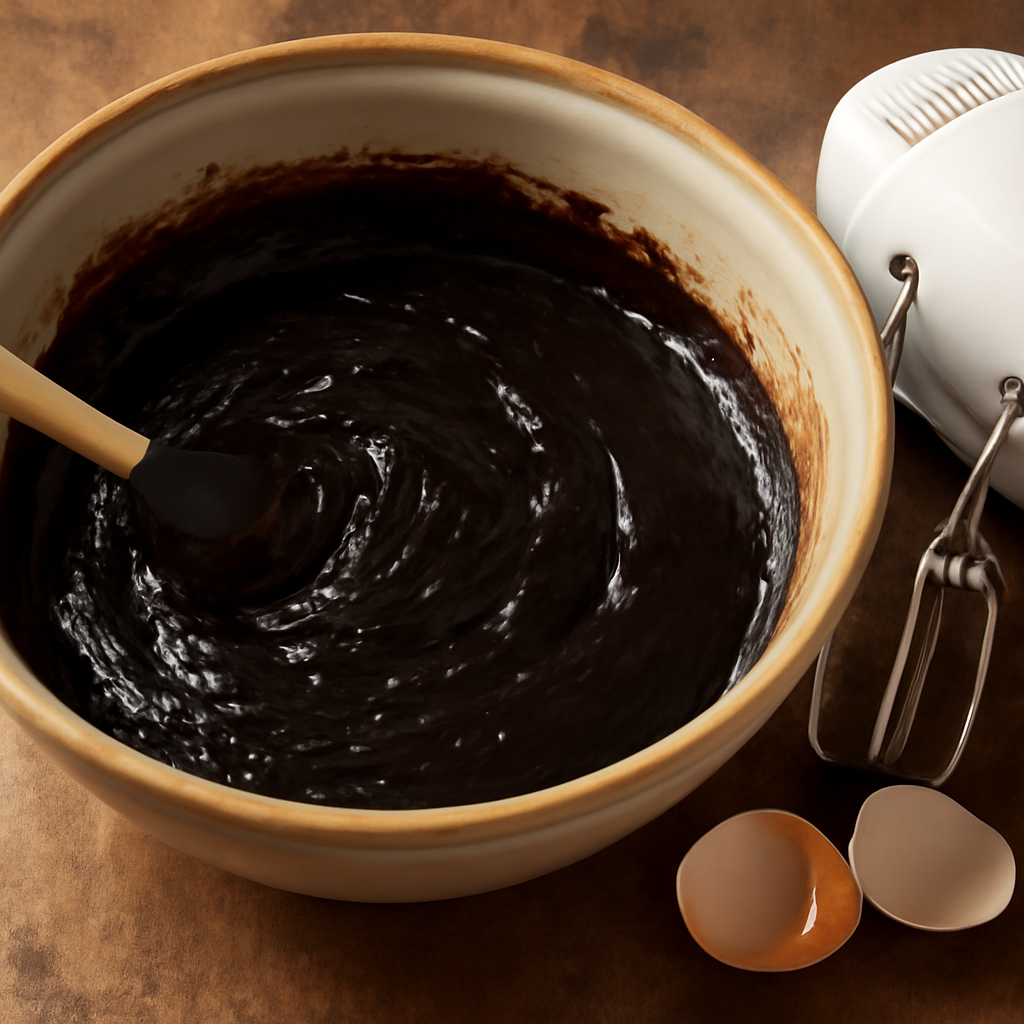
Beat in the black treacle and golden syrup. The mixture will darken significantly and smell strongly of molasses at this point.
-
Fold in the ground almonds, orange zest, and lemon zest with a large spoon.
-
Add the sifted flour mixture in two additions, folding gently each time until just incorporated. Do not overmix.
-
Add the soaked fruit along with any whiskey still sitting in the bowl, and fold through. Add the milk and fold again. The batter will be thick, stiff, and dark brown, almost black in places from the treacle.
-
Spoon the batter into the prepared tin and smooth the top with the back of a wet spoon. The surface will not level itself during baking, so take a moment to make it even now.
-
Wrap the outside of the tin in a double layer of brown paper or newspaper and secure with kitchen twine. This further insulates the sides and prevents a hard crust forming before the centre is cooked.
-
Bake at 150 degrees Celsius for 2 hours 30 minutes. Check at the 2-hour mark by inserting a thin skewer into the centre; it should come out with just the faintest smear of moist crumb, not wet batter. If the top is browning too quickly, lay a sheet of greaseproof paper loosely over it for the final 30 minutes.
-
Remove from the oven and leave the cake to cool completely in the tin on a wire rack. Do not attempt to remove it while warm as it may crack.
-
Once completely cold, use a skewer to poke about 20 holes evenly across the top of the cake, going about halfway down. Spoon over the 30ml of whiskey slowly, allowing it to sink into the holes. Wrap the cake tightly in greaseproof paper, then a layer of foil, and store in a cool, dry place. Feed with another 30ml of whiskey every week if you are keeping it for longer than a fortnight.
Irish Context
Whiskey in baking has a long domestic history in Ireland, more associated with farmhouse kitchens than formal occasions. Fruit cakes soaked in spirit were a practical solution to preservation as much as anything else, and blended whiskeys were the affordable everyday choice.
This recipe works specifically with a blended Irish whiskey because the lighter grain spirit does not overpower the spice and fruit the way a heavily peated or cask-strength expression might. The flavour at the end is warm and slightly smoky in the background, not boozy.
Tips
Dark muscovado sugar is not interchangeable with soft dark brown sugar here. Muscovado has a pronounced molasses character that gives the cake its depth.
If yours has gone rock hard in the bag, spread it on a plate and microwave for 20 seconds. The overnight soak is not optional.
Fruit added directly to batter without soaking will be dry in places and the whiskey flavour will be barely perceptible. If the skewer test gives you wet batter rather than moist crumb at the 2-hour mark, give it another 20 minutes and test again.
Ovens vary. This cake should never be rushed at high heat.
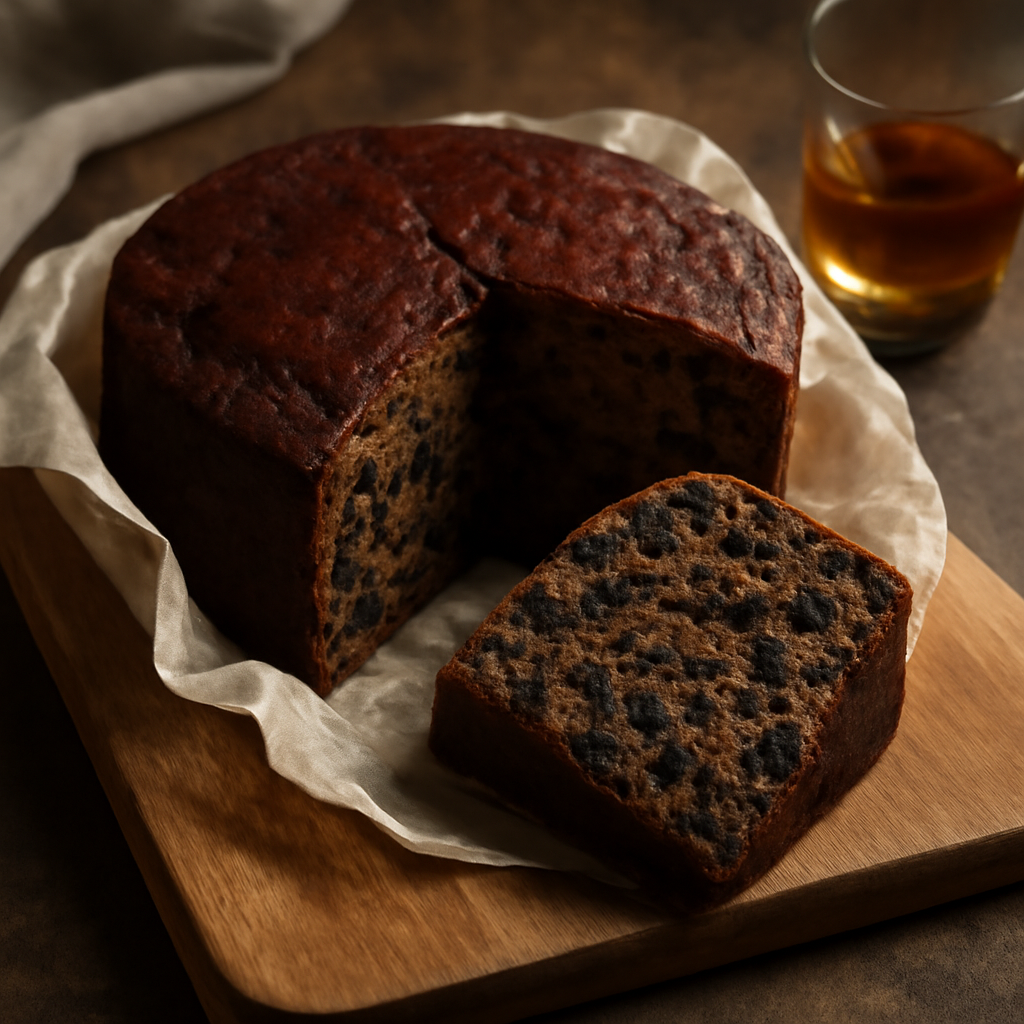
The cake slices best after 24 hours of resting. Straight from cooling it can be slightly crumbly at the edges.
By the next day the crumb has set and the cut is clean. For a glossy top, brush lightly with warmed apricot jam once the cake has fully cooled and before wrapping.

Author Commentary