
 AI
AI
 AI
AI
 AI
AI
Ingredients
Method
-
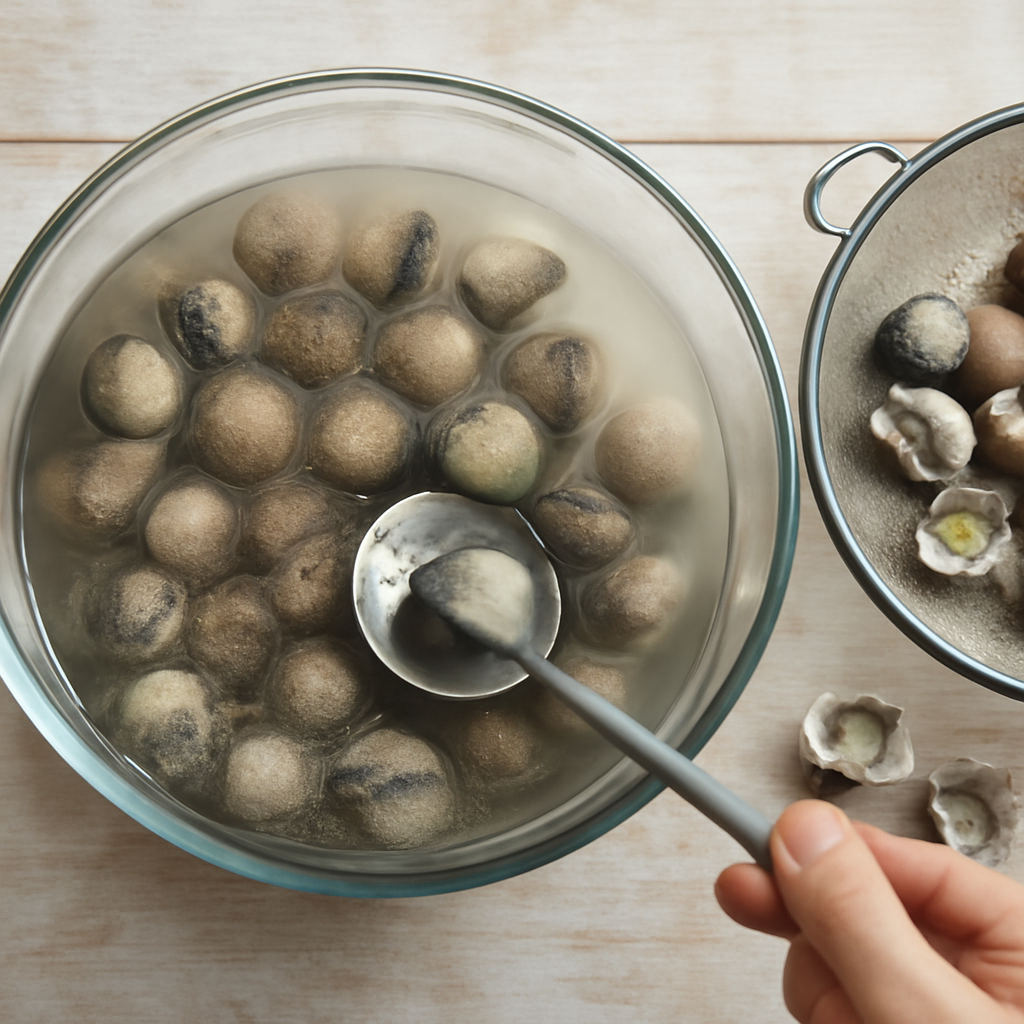
Put the cockles into a large bowl of cold salted water (about 30 g salt per litre) and leave them for at least 20 minutes. This encourages them to purge any remaining sand. Drain and rinse them twice under cold running water, discarding any with cracked shells or any that remain open and do not close when tapped sharply on the worktop.
-
Set a large wide saucepan or lidded sauté pan over a high heat until very hot. Add the cockles and pour in the cider. Clamp the lid on immediately. Cook for 3 to 4 minutes, shaking the pan once halfway through. Remove from the heat. The cockles should be fully open. Discard any that have not opened. Do not overcook them at this stage , they will go into the soup again later and a second round of heat will toughen them.
-
Tip the cockles into a colander set over a large bowl to catch every drop of the steaming liquor. Allow the liquor to settle for 2 minutes so any grit sinks to the bottom, then carefully pour it through a fine sieve lined with a piece of clean muslin or a double layer of kitchen paper, leaving the last few millilitres behind in the bowl. You should have around 300 to 350 ml of liquor. Set it aside.
-
When the cockles are cool enough to handle, pick the meat from the shells. Reserve a small handful of shells for presentation if you like, giving them a quick rinse. The cockle meat will be small, slightly grey-edged, and firm. Set the meat aside in a small bowl, covered.
-
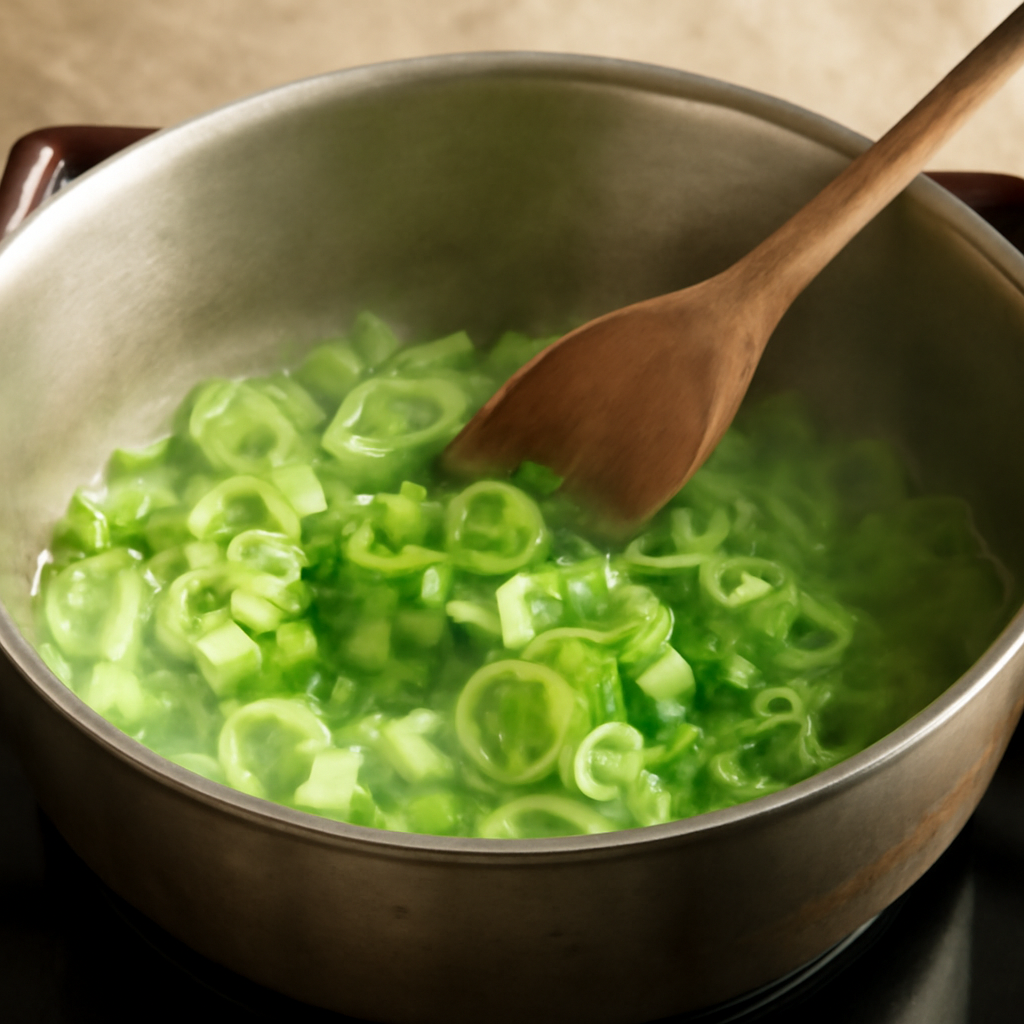
Rinse out the saucepan and return it to a medium-low heat. Melt the butter until it foams but does not colour. Add the leek, celery, garlic, and parsley stalks. Season lightly with salt and a pinch of white pepper. Sweat gently, stirring every couple of minutes, for about 8 minutes until the leek has fully softened and collapsed. It should look glossy and smell sweet, not sharp.
-
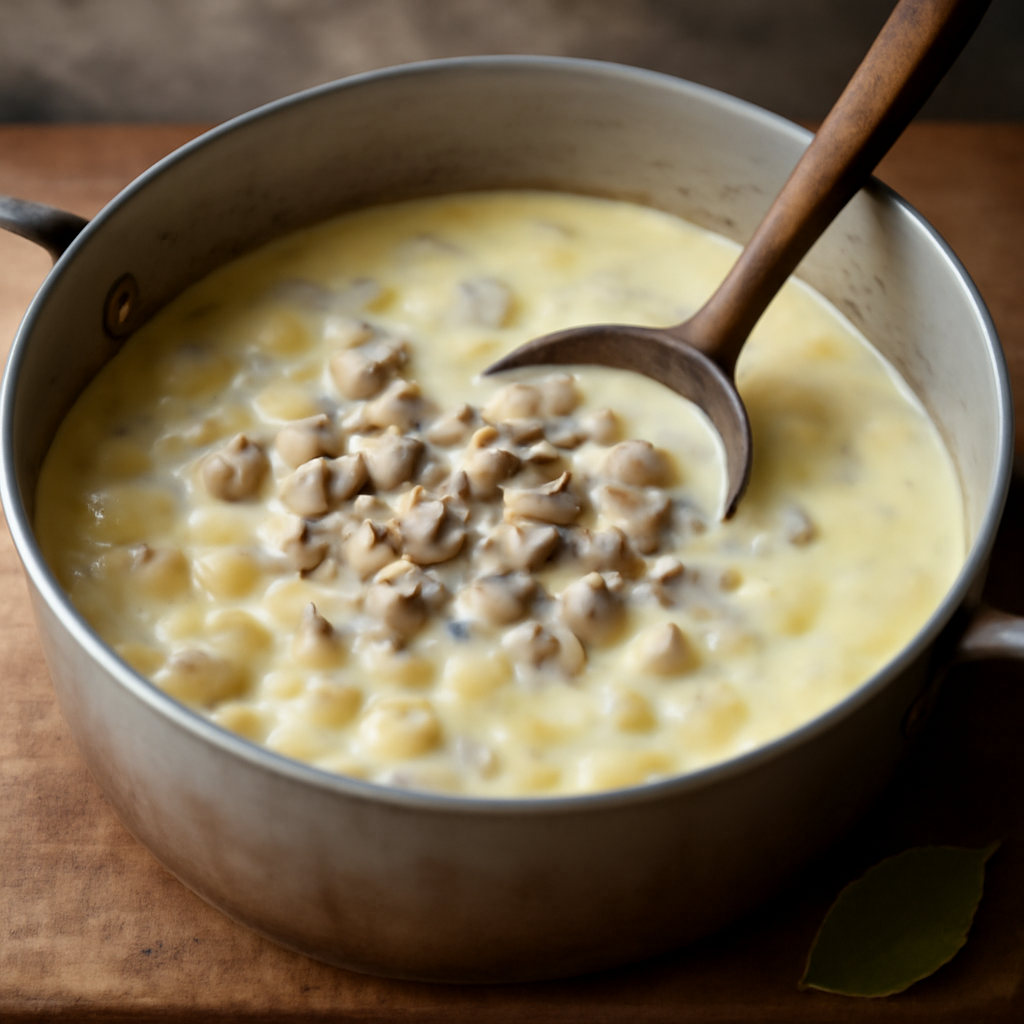
Scatter over the plain flour and stir it through the vegetables for 1 minute to cook out the raw flour taste. Pour in the reserved cockle liquor gradually, stirring as you go to prevent lumps. Add the diced potato and the bay leaf. Pour in the milk. Bring to a gentle simmer, cover partially, and cook for 12 to 15 minutes until the potato is just tender when pierced with a small knife but still holding its shape. Do not let it boil hard or the potato will break down into the broth.
-
Stir in the double cream and bring the soup back to a very gentle simmer over a low heat. Taste carefully before adding any more salt , the cockle liquor carries a good deal of natural salinity and the soup may need none at all. Add white pepper to taste. Remove the bay leaf.
-
Add the cockle meat to the soup and stir gently. Give them no more than 90 seconds in the hot liquid. They just need to warm through. Any longer and they will become rubbery. Remove the pan from the heat immediately.
-
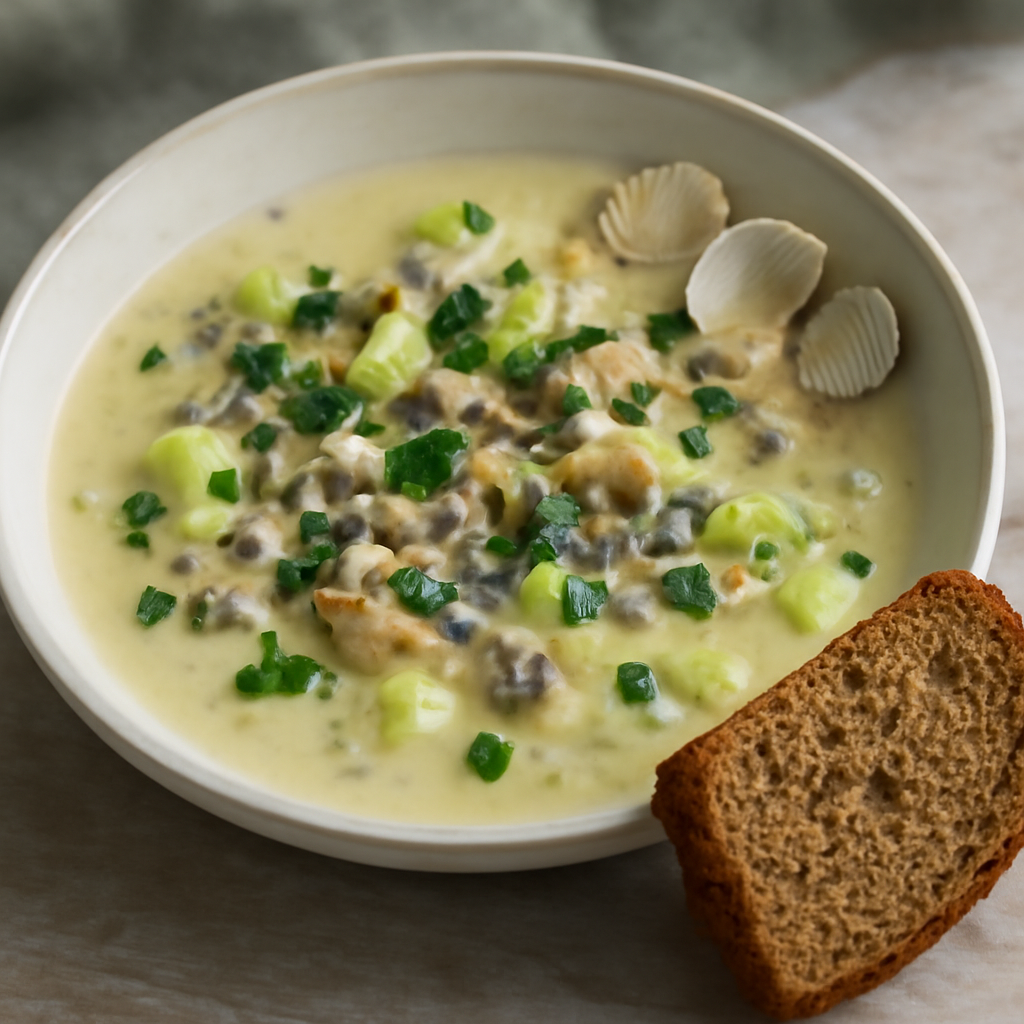
Ladle into warmed bowls. Scatter the chopped parsley leaves over each portion. If you kept back a few shells, tuck two or three into each bowl at the edge. Serve at once with brown soda bread.
Irish Context
Cockles are gathered from tidal flats and estuaries around the Irish coast, with the beaches of south County Dublin, Wexford, and parts of Connacht all producing them seasonally. They are a small shellfish that tend to be overlooked in favour of mussels or clams, but anyone who has eaten them fresh will know that their briny intensity is something quite particular.
They have been eaten in Ireland for a very long time, sold from buckets at seaside towns and coastal markets. This soup uses the cooking liquor from steaming them open as its base, which means the flavour of the sea ends up in every mouthful of the broth rather than just in the shellfish themselves.
The combination with leek and potato is simply practical , both are grown widely in Ireland and both absorb the cockle flavour without competing with it.
Tips
Cockles are highly perishable. Buy them on the day you intend to cook them, or at most the day before, and keep them in the fridge in an open container covered with a damp cloth , never sealed in a bag or submerged in fresh water, which will kill them.
The sand purging step matters. Skip it and you may end up crunching through grit in every spoonful.
If the water in the bowl is visibly cloudy after 20 minutes, drain and repeat with fresh salted water. The cockle liquor is the most important element in the soup.
If you lose it through a cracked sieve or tip it away by accident, you will not recover that depth of flavour with anything else. Treat it carefully.
If the soup looks slightly thin after adding the cream and milk, do not be tempted to add more flour. Instead, scoop out a few tablespoons of the diced potato, mash them to a paste with a fork, and stir back in.
This thickens the broth without dulling the flavour. White pepper rather than black keeps the broth clean-looking and adds a quieter heat that does not distract from the brine of the cockles.
Dry Irish cider works better here than white wine. It has a faint apple sweetness that softens the sharper mineral notes in the cockle liquor without making the soup taste fruity.
A very dry sparkling white wine could substitute in a pinch, but do not use a still wine as the absence of acidity makes the broth taste flat.

Author Commentary