
 AI
AI
 AI
AI
 AI
AI
Ingredients
Method
-
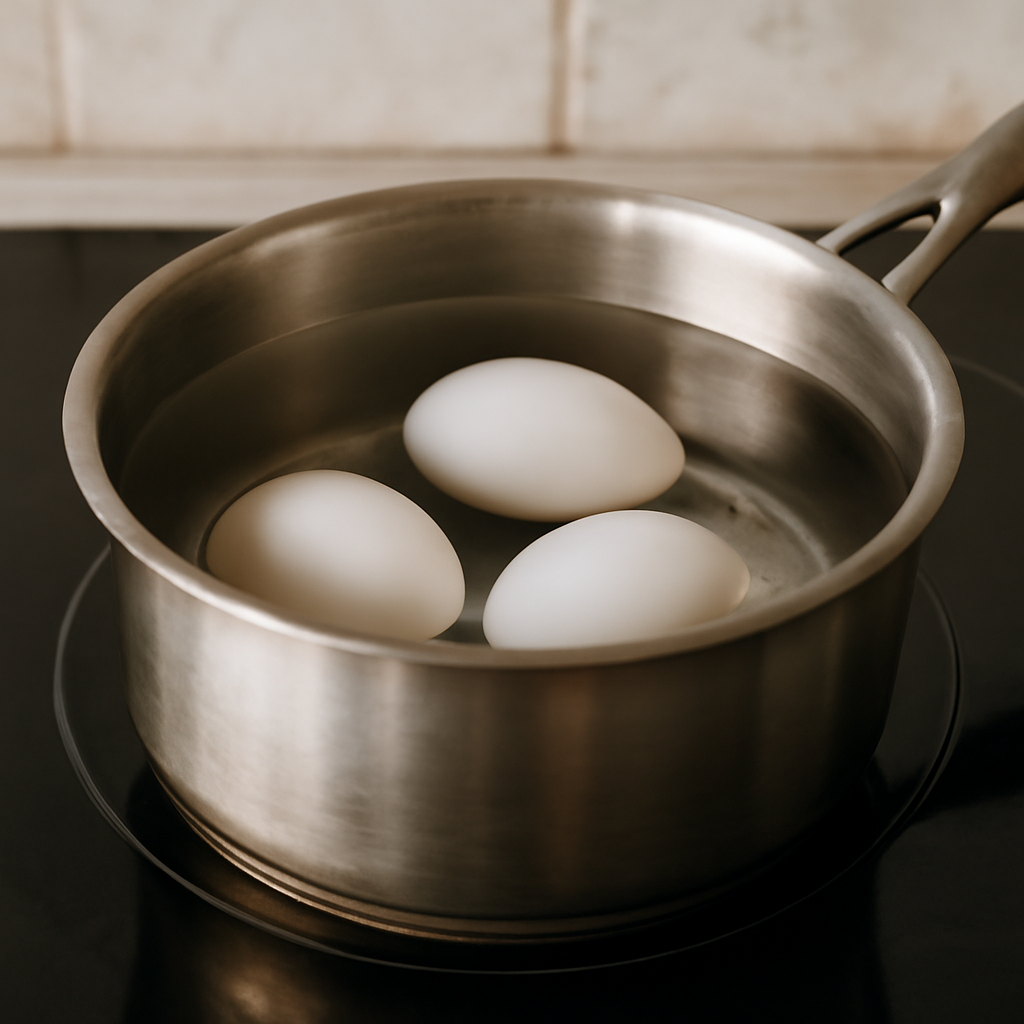
Lower the eggs gently into a pot of cold water and bring to the boil over a medium heat. Once boiling, cook for exactly 10 minutes, then transfer the eggs to a bowl of cold water. Leave them for at least 5 minutes before peeling. This gives a fully set yolk with no grey ring, which matters here because the yolk will be crumbled directly into the sauce and a greenish edge looks unpleasant in a pale sauce.
-
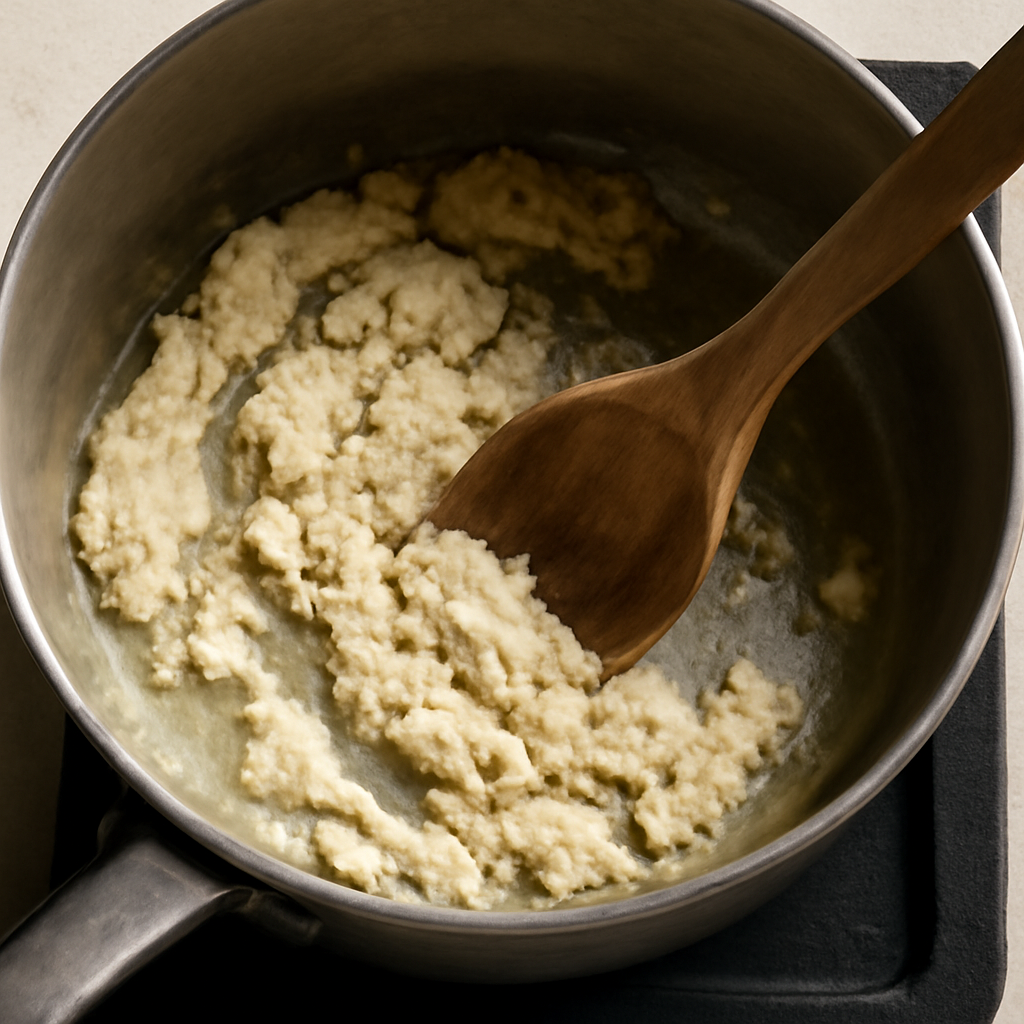
While the eggs cool, melt the butter in a heavy-based saucepan over a low to medium heat. Do not let it colour. Add the flour all at once and stir constantly with a wooden spoon for 2 minutes. The paste should look dry and slightly sandy and smell faintly of cooked flour, not raw starch. If it still smells raw after 2 minutes, keep going for another 30 seconds.
-
Warm the milk in a separate small saucepan or jug until it is just steaming, not boiling. Begin adding the warm milk to the flour paste one ladleful at a time, stirring vigorously after each addition until the mixture is fully smooth before adding the next. This takes patience. Rushing the milk in causes lumps that are difficult to smooth out later. Once roughly half the milk is incorporated and the sauce is moving smoothly in the pan, you can add the remaining milk in a slow, steady stream while stirring.
-
Bring the sauce up to a gentle simmer over a medium heat, stirring continuously. Cook for 5 minutes at this temperature to cook out any remaining floury taste. The sauce should coat the back of a spoon thickly enough that a line drawn through it with a finger holds its shape. If it seems too thick, add a splash more milk and stir through.
-
Remove the pan from the heat. Stir in the English mustard, then season with salt, white pepper, and the nutmeg. Taste at this point. The sauce should have a slight sharpness from the mustard and a clean, milky base. Adjust the seasoning before adding the eggs, as the eggs will dull the flavour slightly.
-
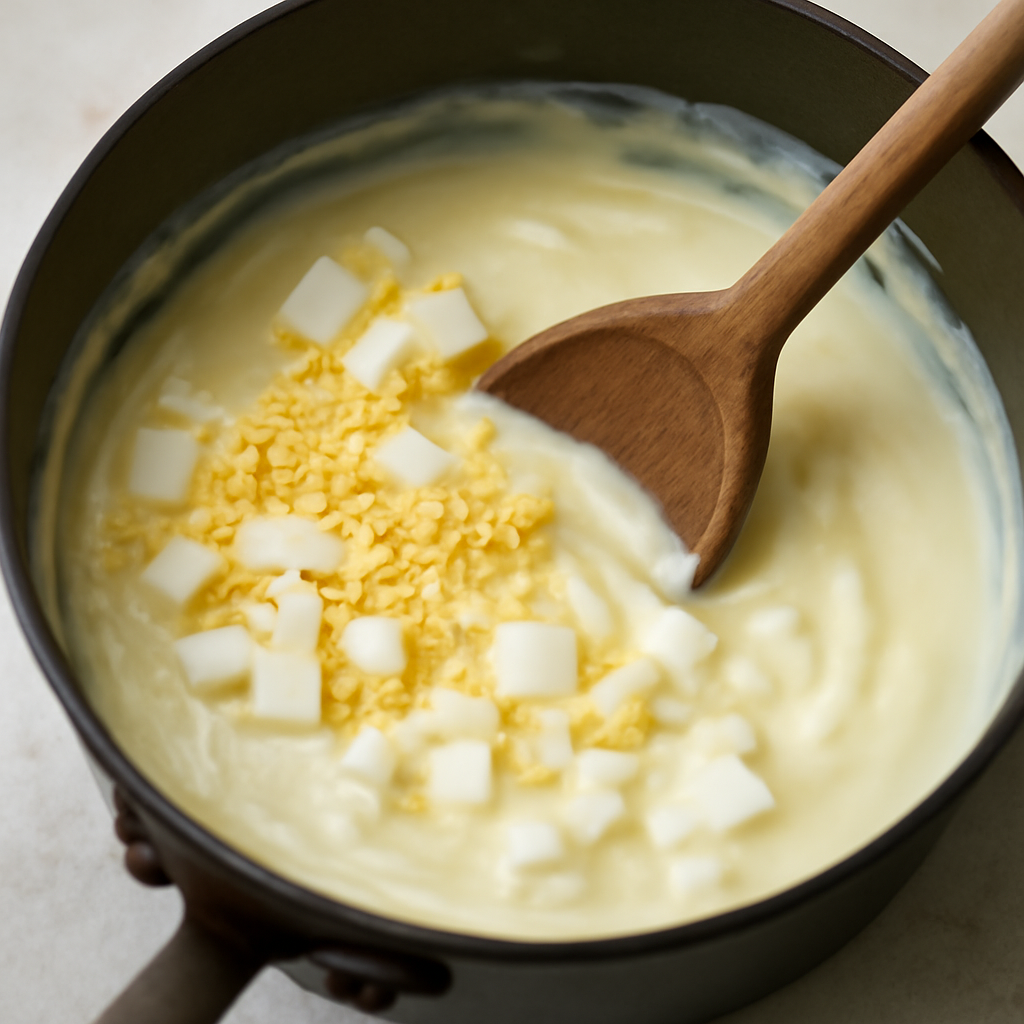
Peel the cooled eggs and separate the whites from the yolks. Chop the whites into rough 1cm pieces and crumble the yolks between your fingers. Add both to the sauce and fold through gently with a spoon. The yolk will partially dissolve into the sauce, giving it a faintly yellow tint and a slightly richer body. The white pieces should remain visible and intact.
-
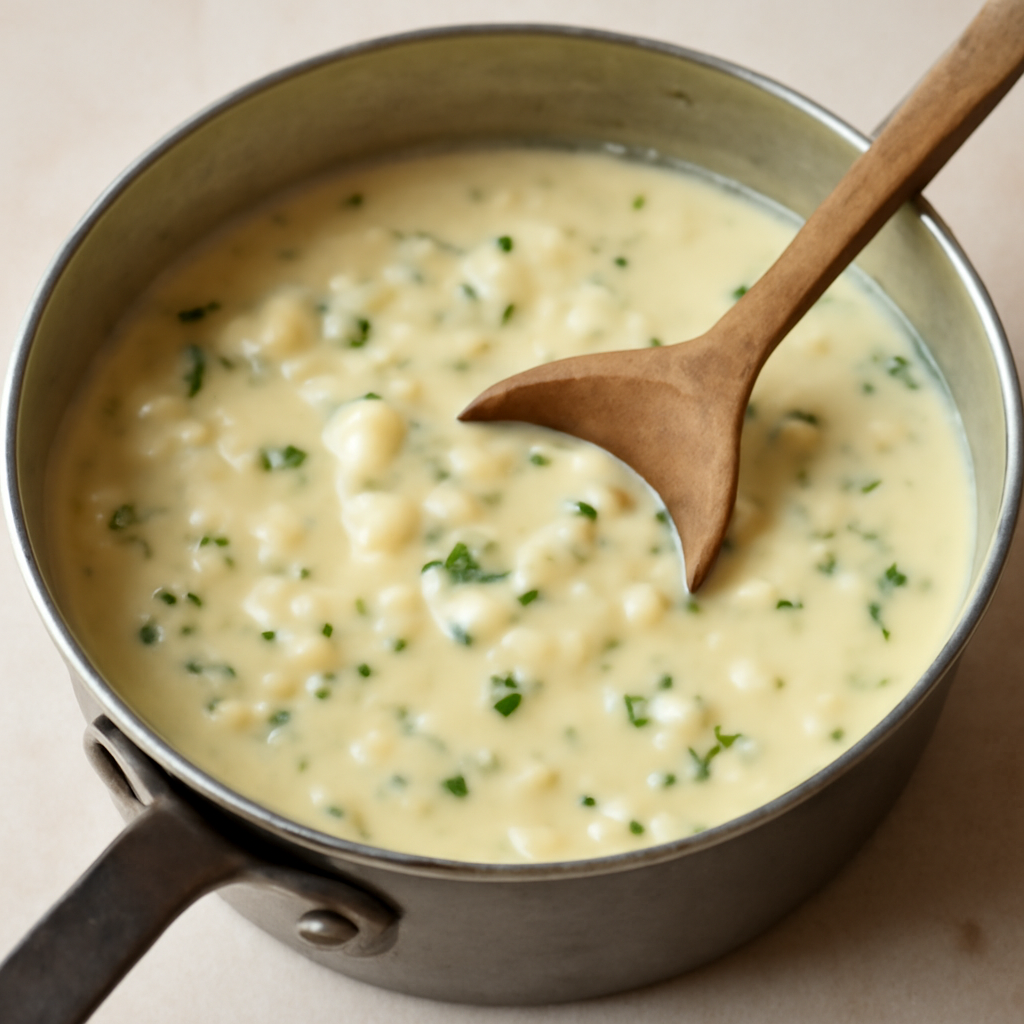
Stir through the chopped parsley just before serving. Keep the sauce over the lowest possible heat if not serving immediately, and place a round of greaseproof paper directly on the surface to prevent a skin forming. Do not reheat it at a rolling boil or the egg white pieces will toughen.
Irish Context
Egg sauce has appeared on Irish tables alongside boiled bacon, salt fish, and smoked haddock for a long time, though it rarely gets written down anywhere. It belongs to the practical tradition of making something useful from what is already in the kitchen: eggs, milk, butter, flour.
The combination of poached smoked haddock and egg sauce turns up in older Irish households in a way that feels instinctive rather than learned from a recipe. It is the kind of thing someone makes without measuring, which is partly why it gets overlooked in any formal account of what people actually ate.
Tips
White pepper is deliberate here rather than black. Black pepper flecks show against the pale sauce and the flavour is harsher.
White pepper blends in and has a gentler heat. If the sauce develops lumps despite careful technique, pass it through a fine sieve before adding the eggs.
The texture of a lumpy béchamel does not improve on its own. The sauce thickens noticeably as it cools.
If you are making it ahead and reheating, add 30 to 50ml of extra milk before storing and stir well on reheating over a low heat. Flat-leaf parsley holds up slightly better in heat than curly parsley and has a cleaner taste, but either will work.
Add it only at the end; parsley added during cooking turns dull and slightly bitter. This sauce is intentionally mild.
It is designed to complement without competing. If serving it over smoked fish, the salt in the fish will season the combined mouthful, so do not oversalt the sauce itself.

Author Commentary