
 AI
AI
 AI
AI
 AI
AI
Ingredients
Method
-
Preheat your oven to 130°C fan. Line two large baking trays with non-stick baking parchment and draw a 22cm circle on each sheet using a cake tin as a guide, then flip the paper so the pencil marks face down.
-
Wipe your mixing bowl and whisk attachment with a clean cloth dampened in white wine vinegar. Any trace of grease will prevent the whites from reaching full volume. Separate the eggs carefully; a single drop of yolk will undermine the entire batch.
-
Whisk the egg whites on medium speed until they reach soft peaks, which takes roughly 3 to 4 minutes. The foam should look opaque and hold a gentle curl when the whisk is lifted.
-
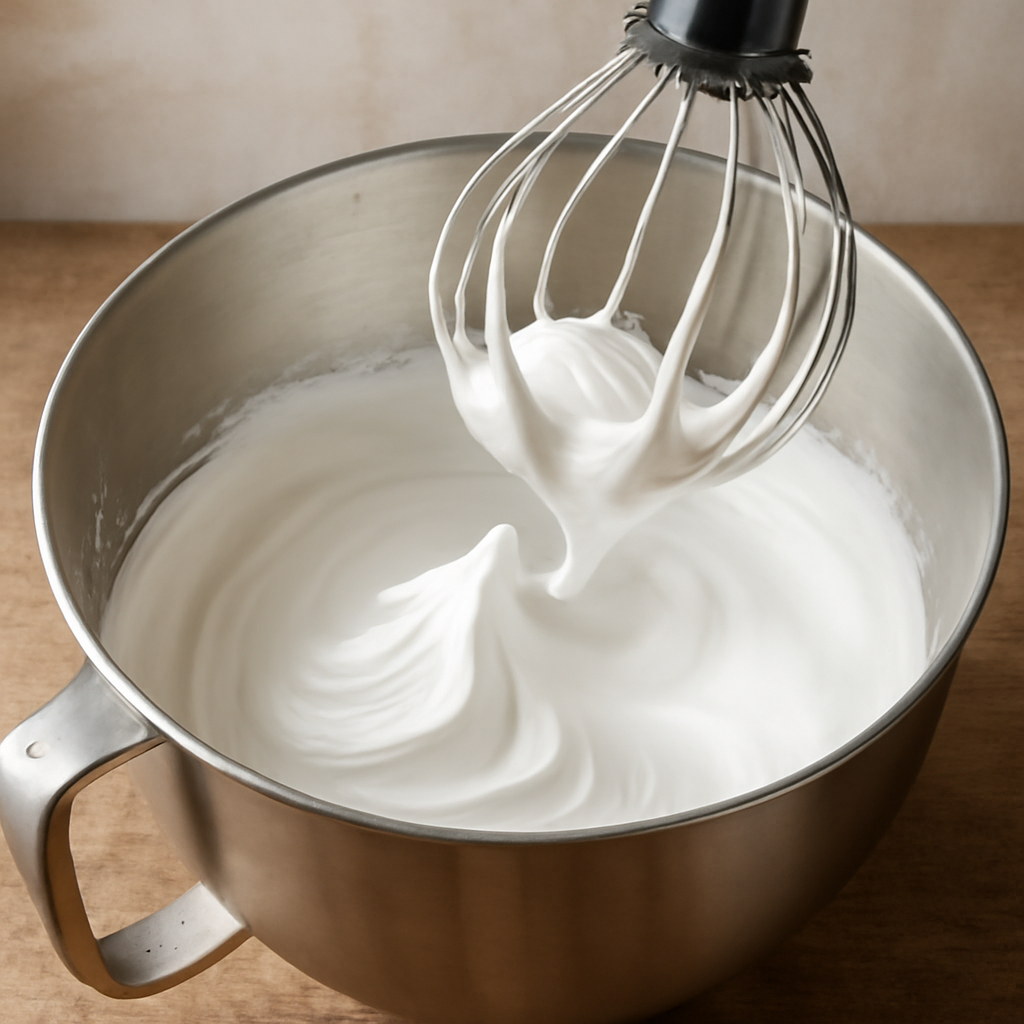
Increase speed to high and begin adding the caster sugar one tablespoon at a time, waiting about 15 seconds between each addition. Rushing this stage leaves the meringue grainy. After all the sugar is incorporated, continue whisking for a further 4 minutes until the mixture is stiff, glossy, and the bowl feels warm to the touch. When you rub a small amount between your fingers, you should feel no grit.
-
Fold in the white wine vinegar and cornflour gently using a large metal spoon. These stabilise the meringue during baking and help maintain a slightly soft centre.
-
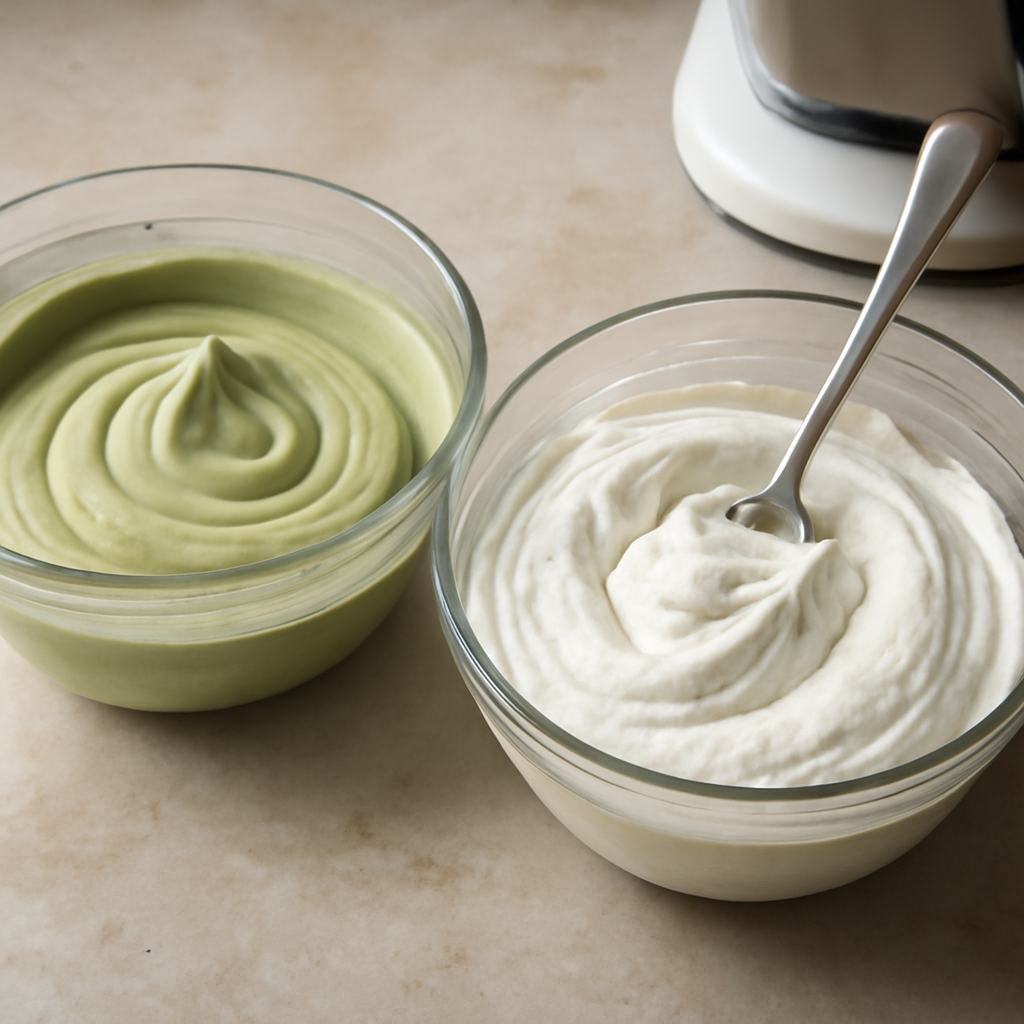
Divide the meringue evenly between two bowls. Into the first, sift the 10g matcha and fold it through in slow, deliberate strokes until the colour is uniform and no streaks remain. Into the second bowl, fold in the 2 teaspoons of ground espresso. The coffee meringue will speckle rather than blend completely; that is expected.
-
Spread each meringue onto its prepared circle, building slightly higher edges to create a shallow well in the centre. This depression holds the cream layer and prevents it sliding off when you stack.
-
Bake both trays at 130°C fan for 90 minutes. Do not open the oven during baking. After 90 minutes, turn the oven off and leave both meringues inside with the door closed for at least 1 hour, or until the oven is fully cold. The meringues should be dry on the exterior, with a faint hollow sound when tapped on the base.
-
While the meringues cool, whip the double cream to soft peaks, then fold in the mascarpone, icing sugar, and vanilla extract. Do not over-whip; the cream should be thick enough to hold its shape but still spread easily. Fold in the cooled espresso shots a little at a time, tasting as you go. The cream should taste of coffee without being so loose it destabilises the layers.
-
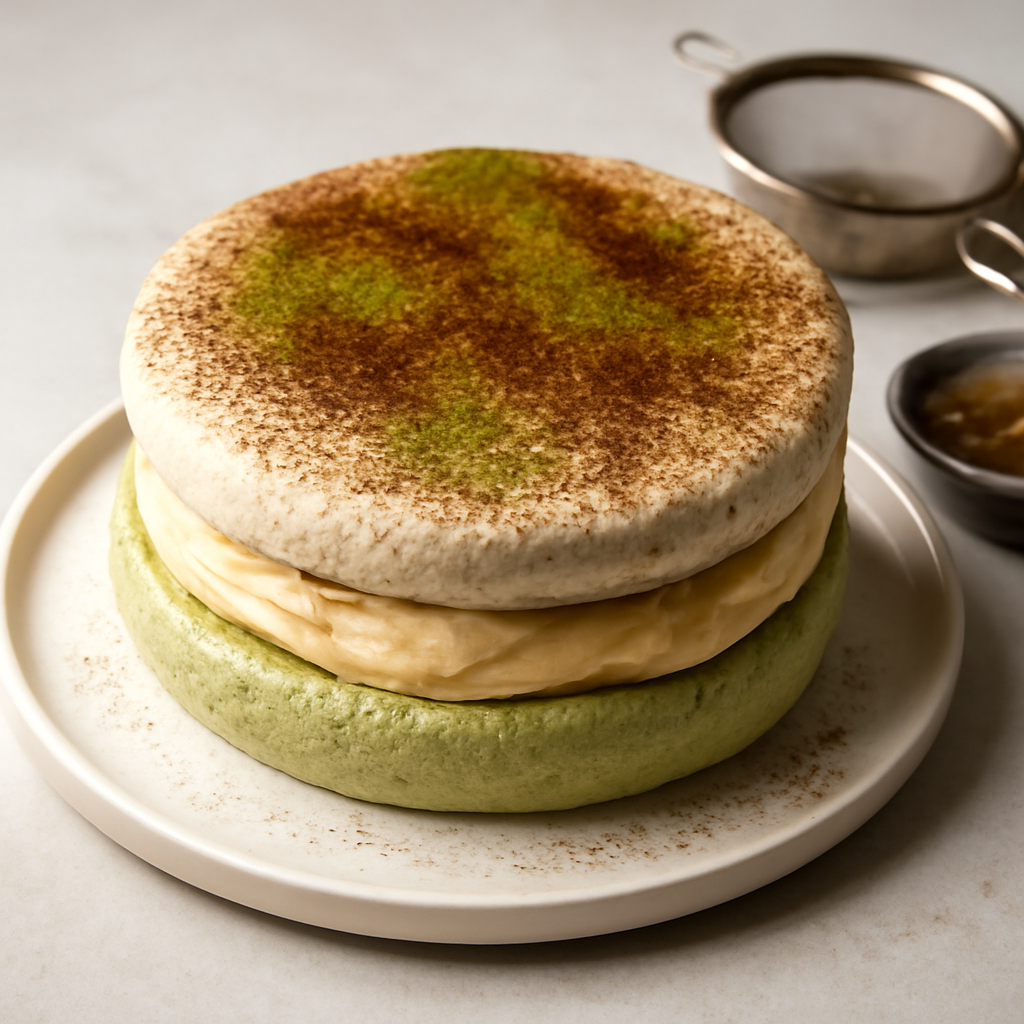
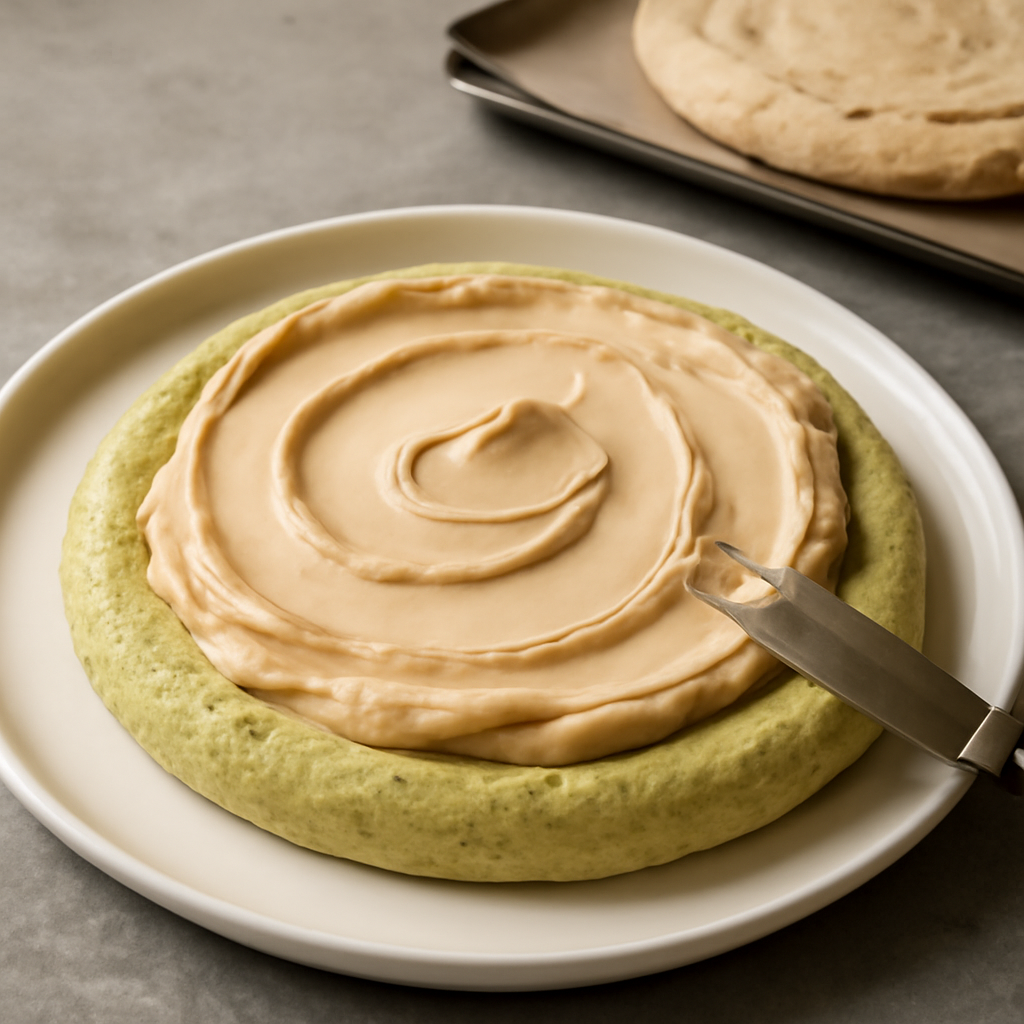
To assemble, place the matcha meringue base on a flat serving plate. Spread roughly half the coffee cream across the surface, keeping it within the raised edges. Carefully lower the coffee meringue on top, pressing very gently so it seats without cracking. Spread the remaining cream over the top layer.
-
Mix the cocoa powder and remaining 5g matcha together in a small bowl, then dust the assembled meringue through a fine sieve. The dusted surface should show both colours in a mottled pattern rather than one uniform tone.
-
Rest the assembled dessert in the refrigerator for at least 30 minutes before serving. This firms the cream slightly and lets the flavours settle. Slice with a sharp serrated knife in a single downward motion; sawing will collapse the layers.
Irish Context
Matcha has been available in Ireland long enough that it no longer reads as a novelty ingredient, but it is still used cautiously in Irish baking, usually as a colouring agent rather than a flavour in its own right. This recipe treats it as a genuine bitter counterpoint to the espresso, which means the quality of the powder matters more than it would in, say, a matcha sponge where sugar and butter soften everything.
Irish coffee culture has shifted substantially over the past two decades, and the espresso used here is the sort of thing that would have been difficult to source outside Dublin in the early 2000s but is now standard across the country. The meringue itself is in a long tradition of Irish home baking, where egg whites left over from custard or pastry-making were a reason to build something rather than waste.
Tips
Egg whites whip best at room temperature. If your eggs have come straight from the fridge, let the separated whites sit in the bowl for 20 minutes before you begin.
Culinary-grade matcha varies considerably in colour and bitterness depending on brand and freshness. A dull olive-green powder will produce a flat, slightly musty flavour; look for a powder that is bright green with a slightly grassy smell.
Irish health food shops and Asian grocery stores generally carry a better range than supermarkets. The ground espresso in the meringue needs to be genuinely fine.
Coarse grounds will create a gritty texture that does not soften even after baking. Use the finest setting your grinder allows, or buy pre-ground espresso powder.
Both meringue layers can be baked, cooled, and stored separately, wrapped loosely in baking parchment, for up to 24 hours before assembly. Do not assemble in advance if the kitchen is humid; the meringue will soften faster than you expect.
If a crack appears in a meringue during assembly, press it gently back together and let the cream filling bridge the gap. Shallow cracks in the top layer will be hidden by the dusting.
Deep cracks that split the disc in half are harder to save; in that case, break both layers into large shards and assemble it as an Eton mess variation with the same cream. The espresso used in the cream must be fully cooled before folding in.
Even slightly warm espresso will begin to melt the cream and cause it to lose structure.

Author Commentary