
 AI
AI
 AI
AI
 AI
AI
 AI
AI
 AI
AI
 AI
AI
Ingredients
Method
-
Soak the gelatine sheet in a bowl of cold water for 5 minutes until it turns completely soft and pliable. Set it aside in its soaking liquid.
-
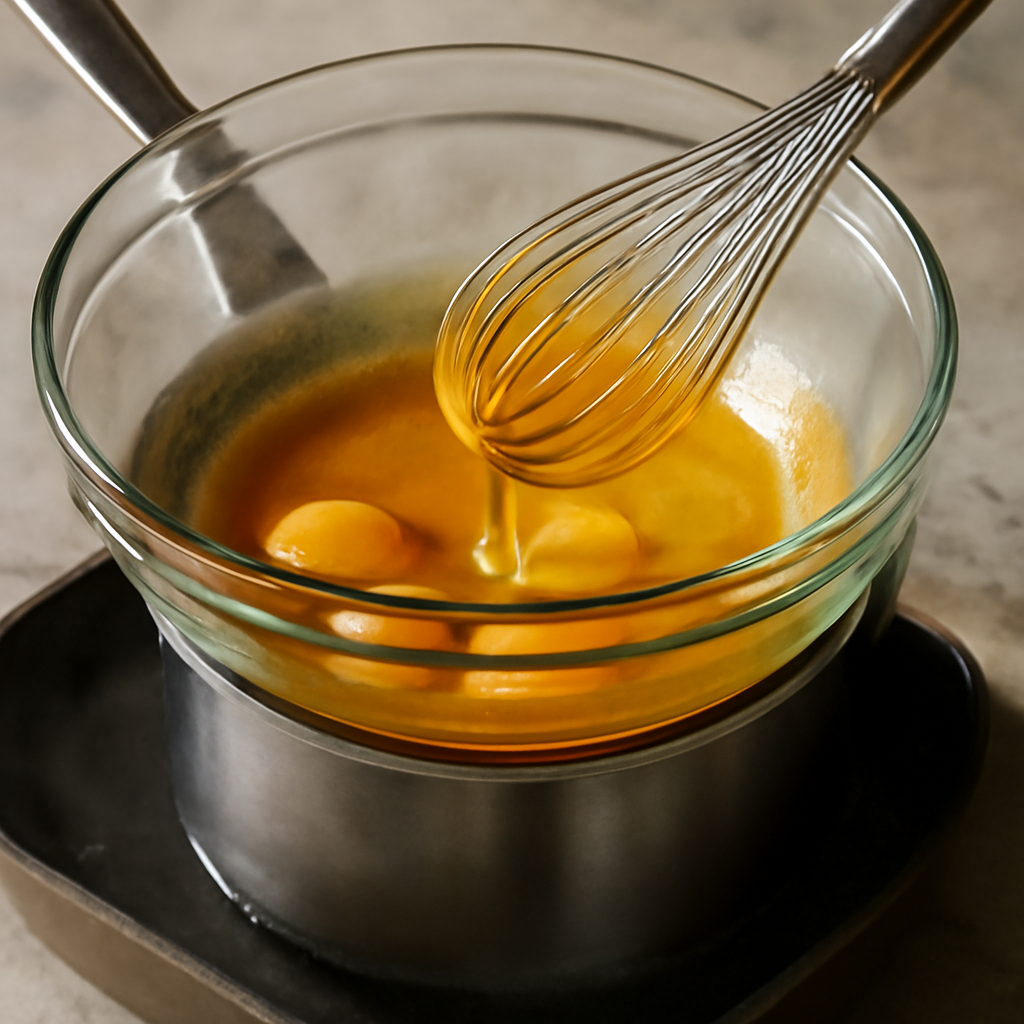
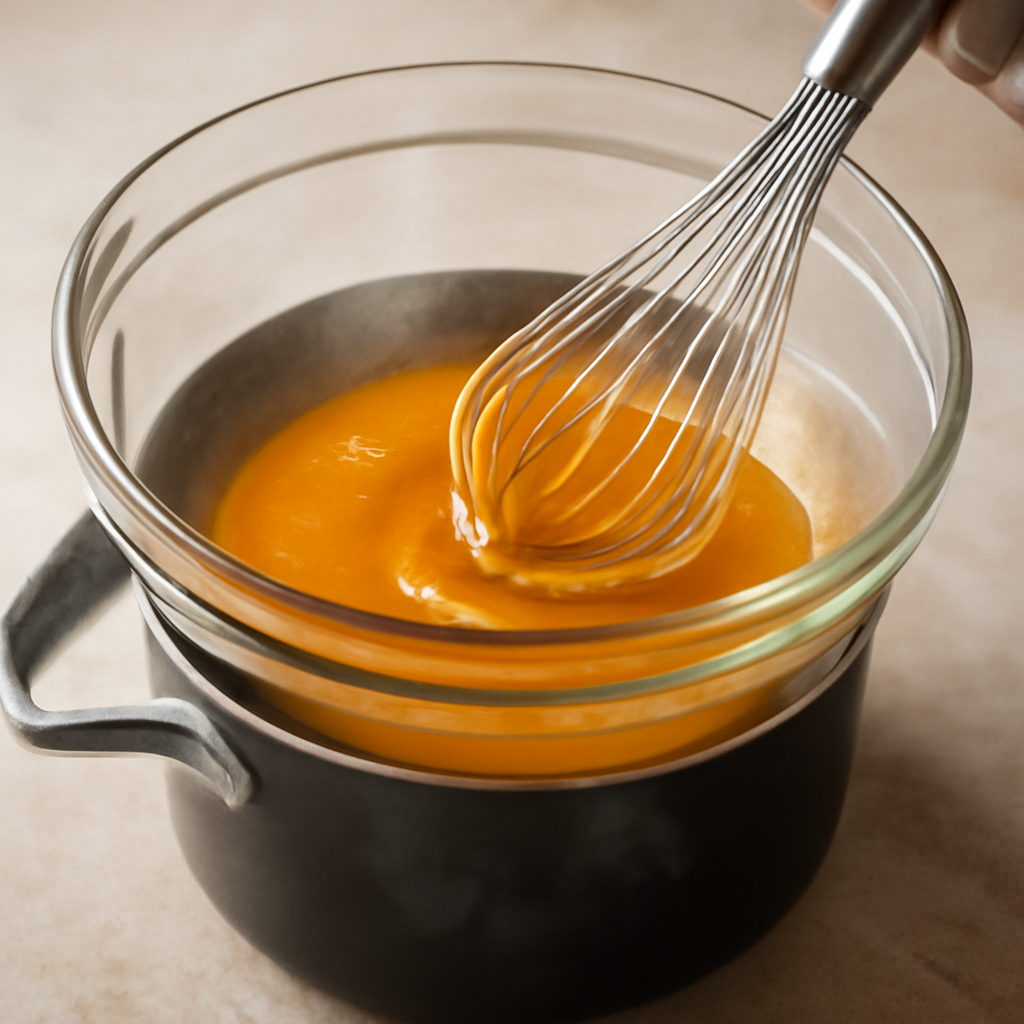
Place the egg yolks and heather honey in a heatproof bowl set over a saucepan of barely simmering water. The bottom of the bowl must not touch the water. Whisk continuously for 8 to 10 minutes until the mixture thickens noticeably, turns pale gold and holds a slow ribbon when the whisk is lifted. It should reach approximately 70 to 72 degrees Celsius. A digital probe is the most reliable way to check this.
-
Remove the bowl from the heat. Squeeze the excess water from the gelatine sheet and stir it directly into the warm honey and yolk mixture. It should dissolve within 30 seconds of stirring. If it does not fully melt, return the bowl to the bain-marie for 20 seconds only. Add the lemon juice and stir once more. Leave the base to cool at room temperature for 15 minutes, stirring occasionally so a skin does not form on the surface.
-
While the base cools, whip the cold double cream in a large bowl to soft peaks only. It should fall slowly from the whisk rather than hold its shape rigidly. Over-whipped cream will give the finished mousse a grainy, buttery texture that no amount of folding will fix.
-
In a separate clean bowl, whisk the egg whites with the fine sea salt and the cold water until they reach firm, glossy peaks. The whites should hold their shape when the bowl is tilted but should not look dry or lumpy.
-
Check the honey base. It should be cool enough that it does not feel warm when you hold the bowl, but it must not have set. If it has thickened too much at the edges, stir briskly to loosen it.
-
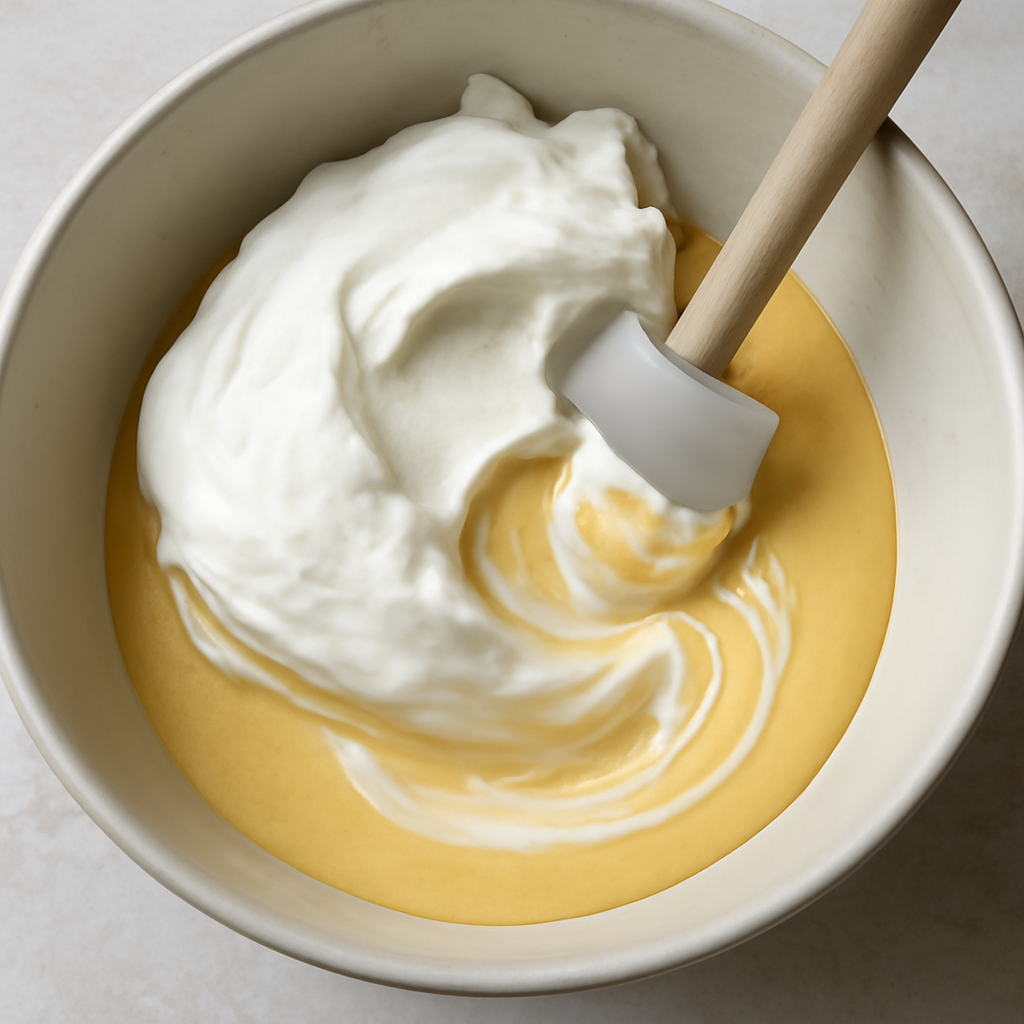
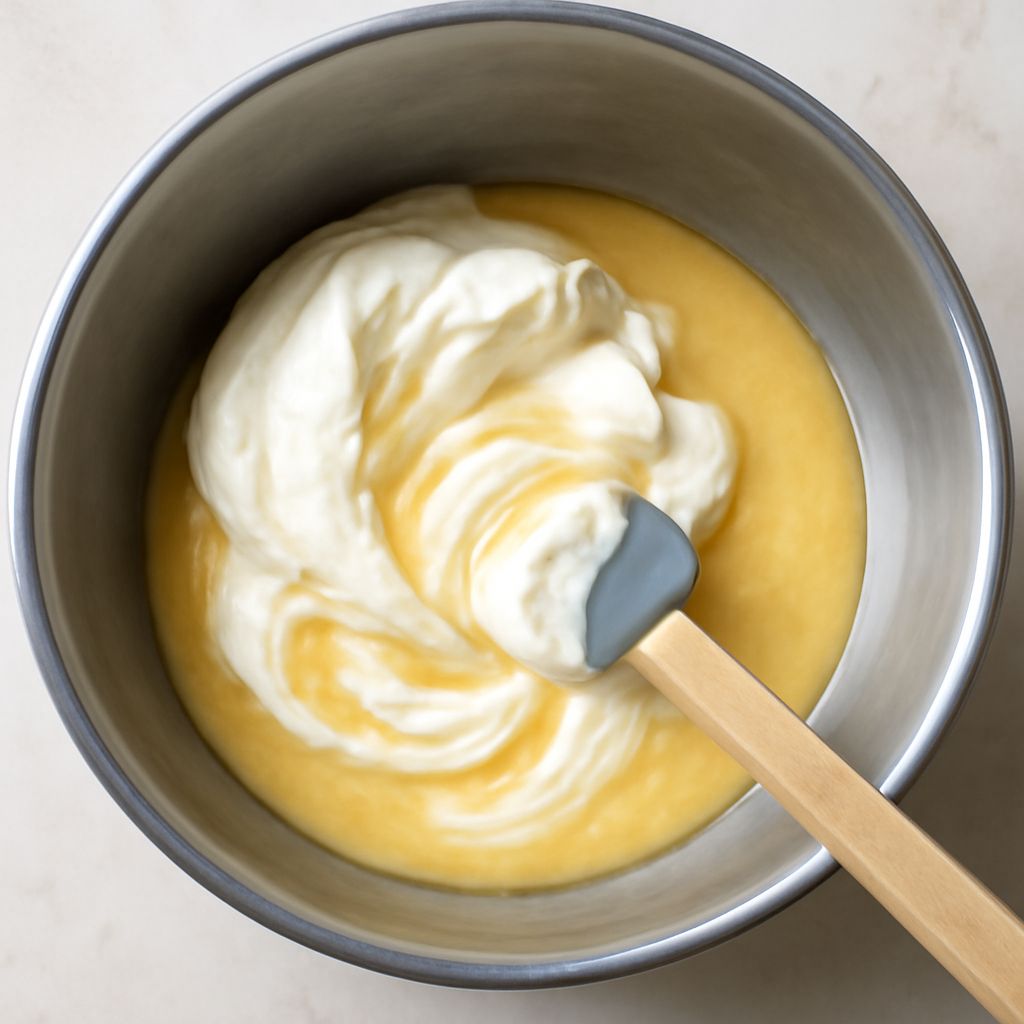
Fold the whipped cream into the honey base in two additions, using a large metal spoon or a silicone spatula. Work with slow, deliberate movements from the bottom of the bowl upwards. Do not stir in circles or you will deflate the cream.
-
Add the whisked egg whites in three additions. The first addition can be stirred in with slightly more force to slacken the mixture. The second and third additions must be folded gently. Stop as soon as the whites are incorporated; a few pale streaks are preferable to a collapsed mousse.
-
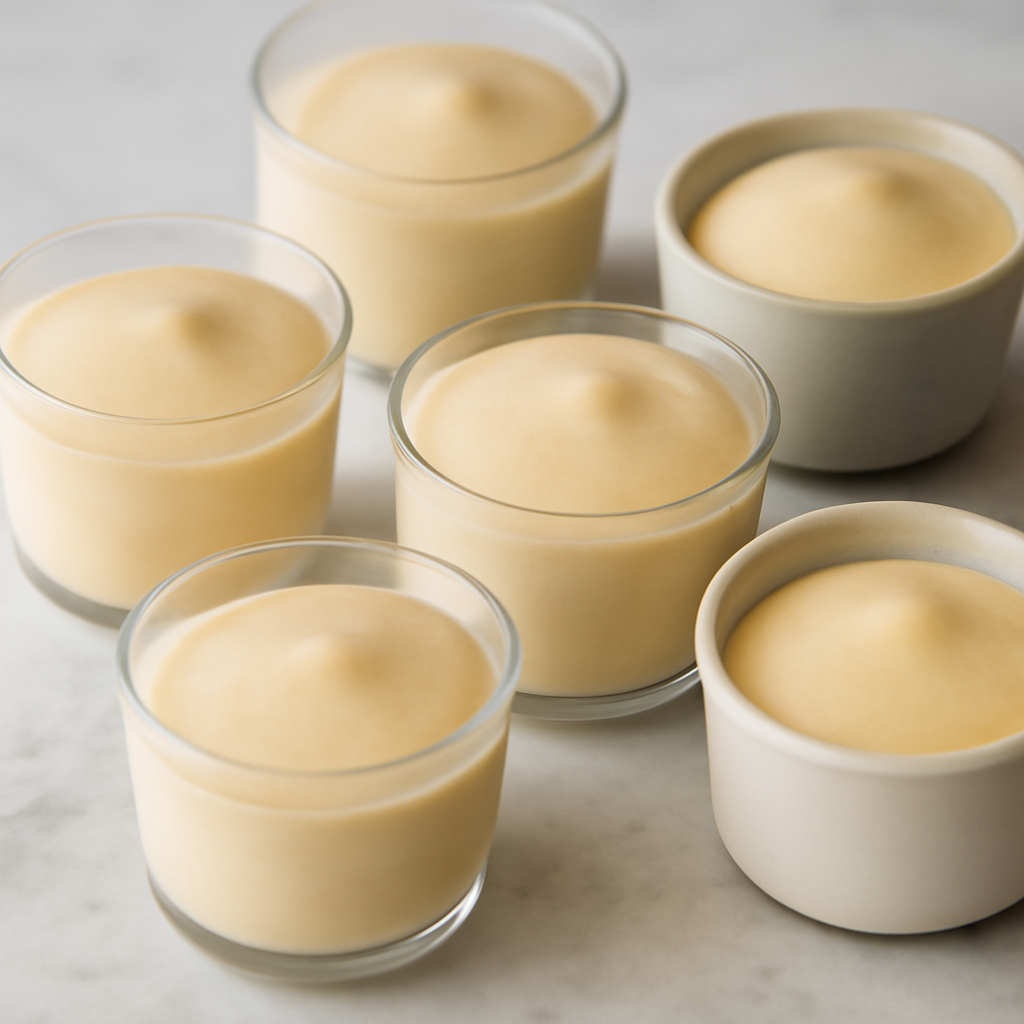
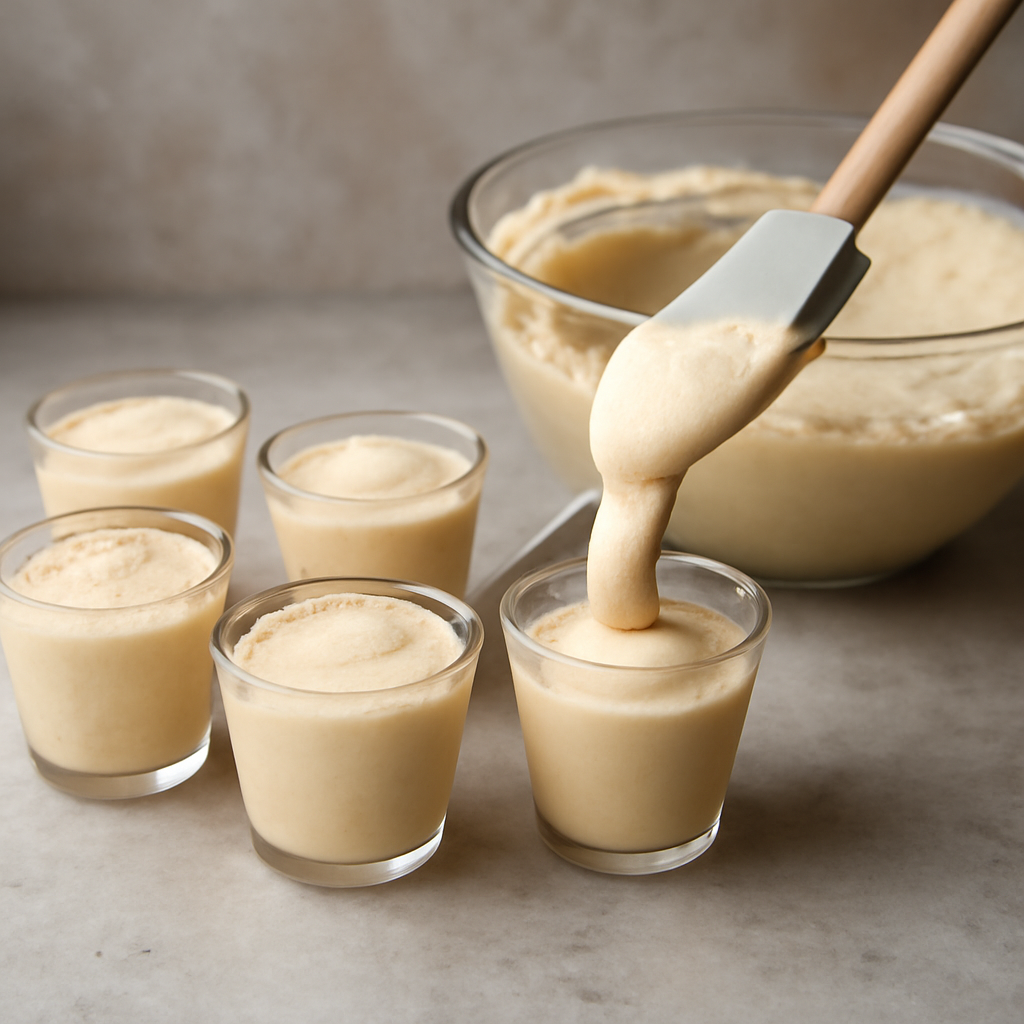
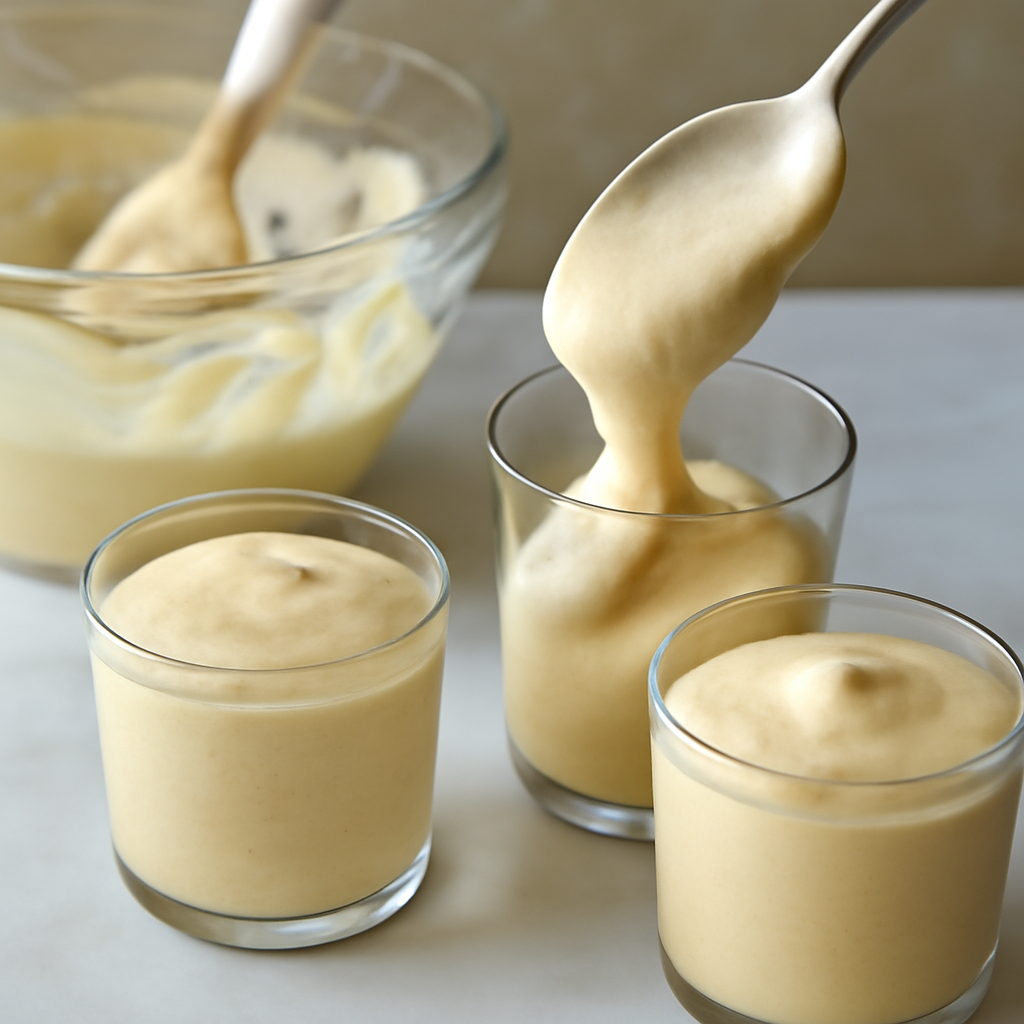
Divide the mousse between six small glasses or ramekins, each holding approximately 120ml. Tap each one lightly on the work surface to level the top. Cover loosely with cling film and refrigerate for a minimum of 3 hours. Four hours is better. Overnight produces the firmest, most cleanly set result.
-
Remove the mousses from the refrigerator 10 minutes before serving. The texture at the centre should be set but yield gently when pressed with a spoon, releasing the mousse in a clean scoop rather than slumping.
Irish Context
Heather honey is produced across bog and upland areas of Ireland from late summer into early autumn, when the ling heather is in flower. The honey has a thixotropic quality, meaning it gels in the jar and must be stirred to become liquid again, which is a property that catches people off guard when they first encounter it.
Because it is harvested once a year and in relatively small quantities, it tends to be sold directly by beekeepers at farmers markets rather than in large retail quantities. The flavour is noticeably different from commercially blended honeys, carrying a slight bitterness and a resinous, almost herbal note that performs well in cooked preparations where the heat mellows its intensity without erasing it entirely.
Tips
The gelatine quantity here is deliberately restrained. The mousse sets just firmly enough to hold its shape in the glass but melts immediately on the tongue.
If you increase the gelatine to feel safer, the result will be rubbery rather than creamy. Heather honey varies significantly between producers.
A strongly flavoured batch will make the mousse taste faintly medicinal; a lighter batch will be almost indistinguishable from clover honey. Taste your honey before you start and adjust accordingly by adding up to 10g more if the flavour seems muted.
The egg whites must be at room temperature to whip properly. Cold whites from the refrigerator will take longer and are more likely to weep liquid once folded in.
If the honey base sets in the bowl before you can finish folding, place the bowl briefly over warm water and stir for no more than 20 seconds. Do not apply direct heat or the gelatine structure will be damaged.
Alongside the mousse, a small pile of fresh blackberries or a few thinly sliced segments of blood orange provides enough acidity to make each spoonful of mousse feel lighter than it is.

Author Commentary