
 AI
AI
 AI
AI
 AI
AI
Ingredients
Method
-
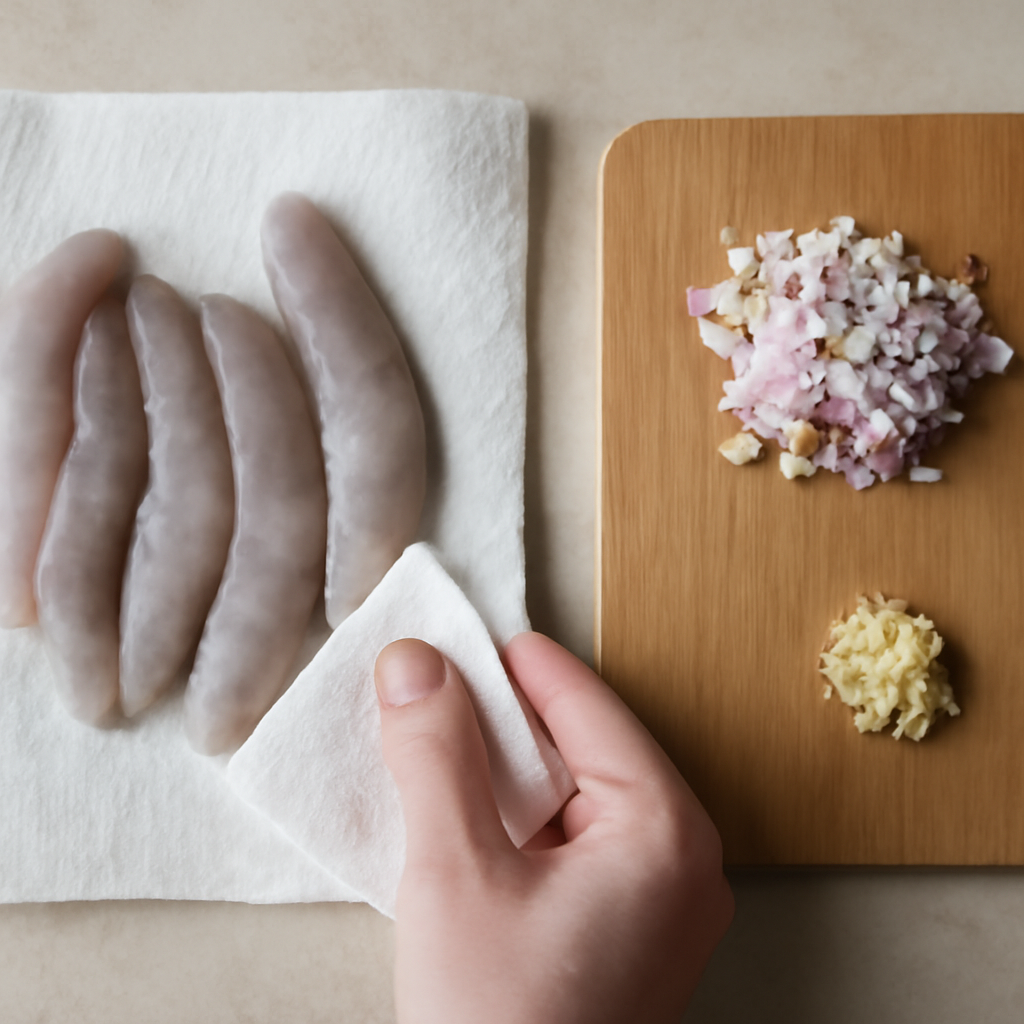
Pat the herring roe dry with kitchen paper. Any moisture left on the surface will cause it to spit and steam in the pan rather than colour, and the sauce will end up watery before you have even started building it.
-
Melt 30g of the butter in a small, heavy-based saucepan over a medium-low heat. When the foam settles, add the shallot and cook for 4 to 5 minutes, stirring occasionally, until soft and translucent but without any colour. Add the garlic and cook for a further 60 seconds until the raw smell is gone.
-
Pour in the white wine and raise the heat to medium. Let it reduce by roughly two-thirds, which should take 4 to 5 minutes. The liquid will thicken slightly at the edges and smell less sharp. Add the fish stock and reduce again by half, another 3 to 4 minutes. You are looking for a concentrated, glossy base.
-
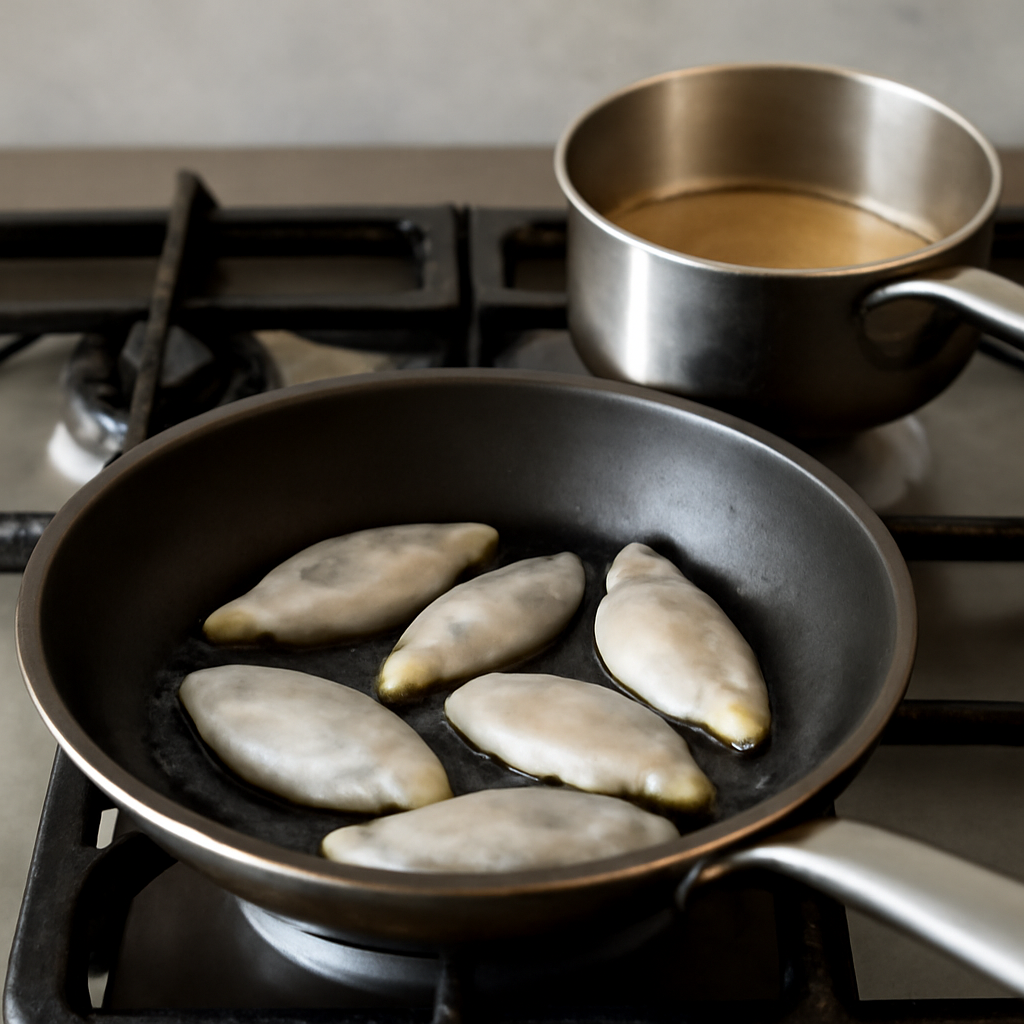
While the stock is reducing, heat a separate small frying pan over a medium heat with no fat. When it is properly hot, lay in the herring roe in a single layer. It will begin to colour on the underside after about 90 seconds. The roe releases a faint, saline smell as it cooks, and the edges will turn from translucent grey to an opaque cream. Turn once, cook for a further 60 to 90 seconds, then remove from the heat and set aside. The roe should be just cooked through but still slightly soft at the centre.
-
Once the stock reduction is ready, lower the heat to the lowest setting and stir in the double cream. Allow it to warm through for 2 minutes without boiling. Add the Dijon mustard and stir until fully incorporated.
-
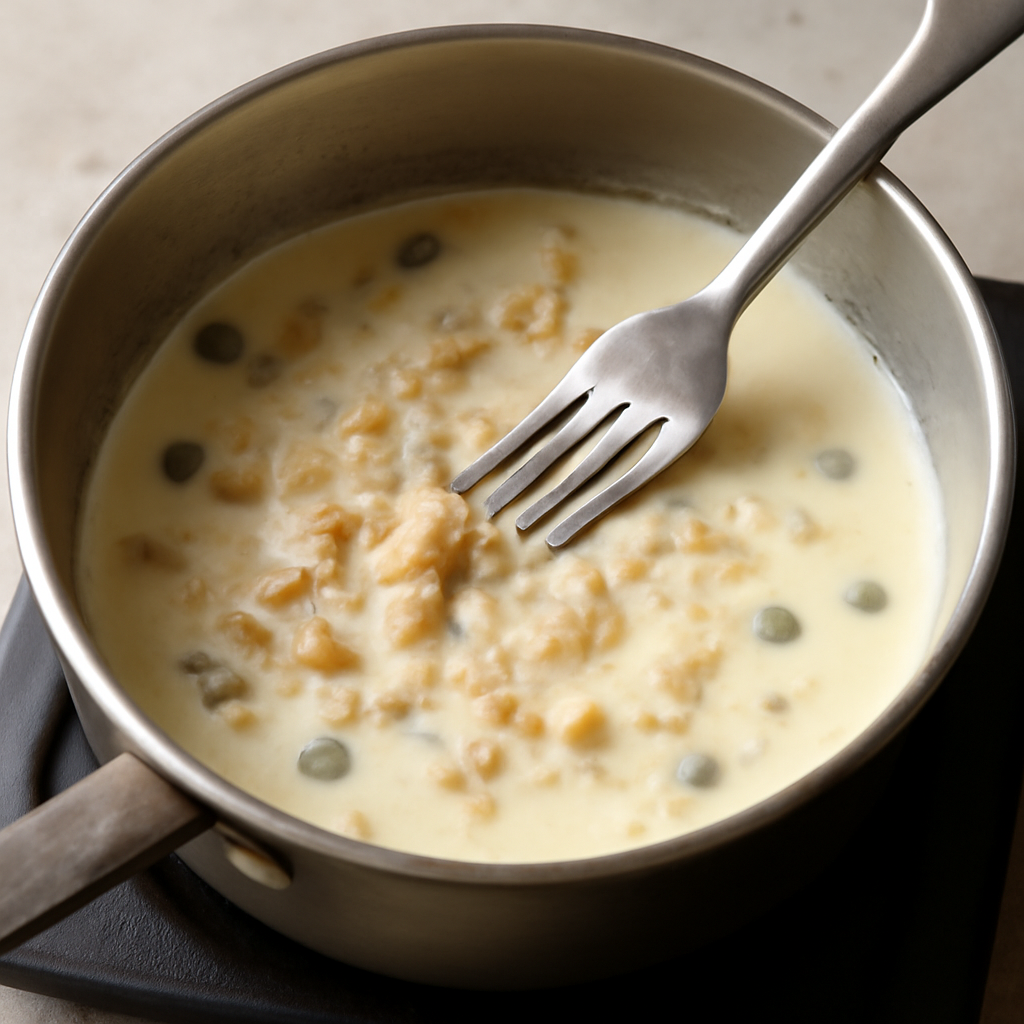
Break the cooked roe into the sauce using the back of a spoon or a fork, pressing lightly. You want some pieces to dissolve into the sauce, thickening and clouding it slightly, while others remain as small, identifiable flakes. This gives the sauce both body and texture.
-
Add the capers and lemon juice. Stir once. Taste carefully before adding salt; the roe and capers carry their own salinity and the sauce can tip over quickly. Add white pepper.
-
Remove from the heat and stir in the remaining 30g of cold butter in small pieces, swirling the pan gently so each piece melts before the next goes in. This emulsifies the sauce and gives it a light sheen. If it splits, remove from heat immediately and whisk in a teaspoon of cold water.
-
Fold in the parsley at the very end. Serve immediately; the sauce does not hold well and will separate if left sitting on heat.
Irish Context
Herring has been caught off the Irish coastline for centuries, and roe is the part that most people overlook at the fishmonger. Soft roe from herring is mild and creamy in a way that hard roe is not; it dissolves partially into a sauce and adds a sea-forward flavour without the pronounced oiliness of the fish itself.
This sauce was developed to make use of the roe when the herring season runs, typically autumn into early winter on the Irish coast, when whole herring are plentiful and the roe comes along with them.
Tips
Fresh herring roe has a very short window. If buying from a fishmonger, use it the same day.
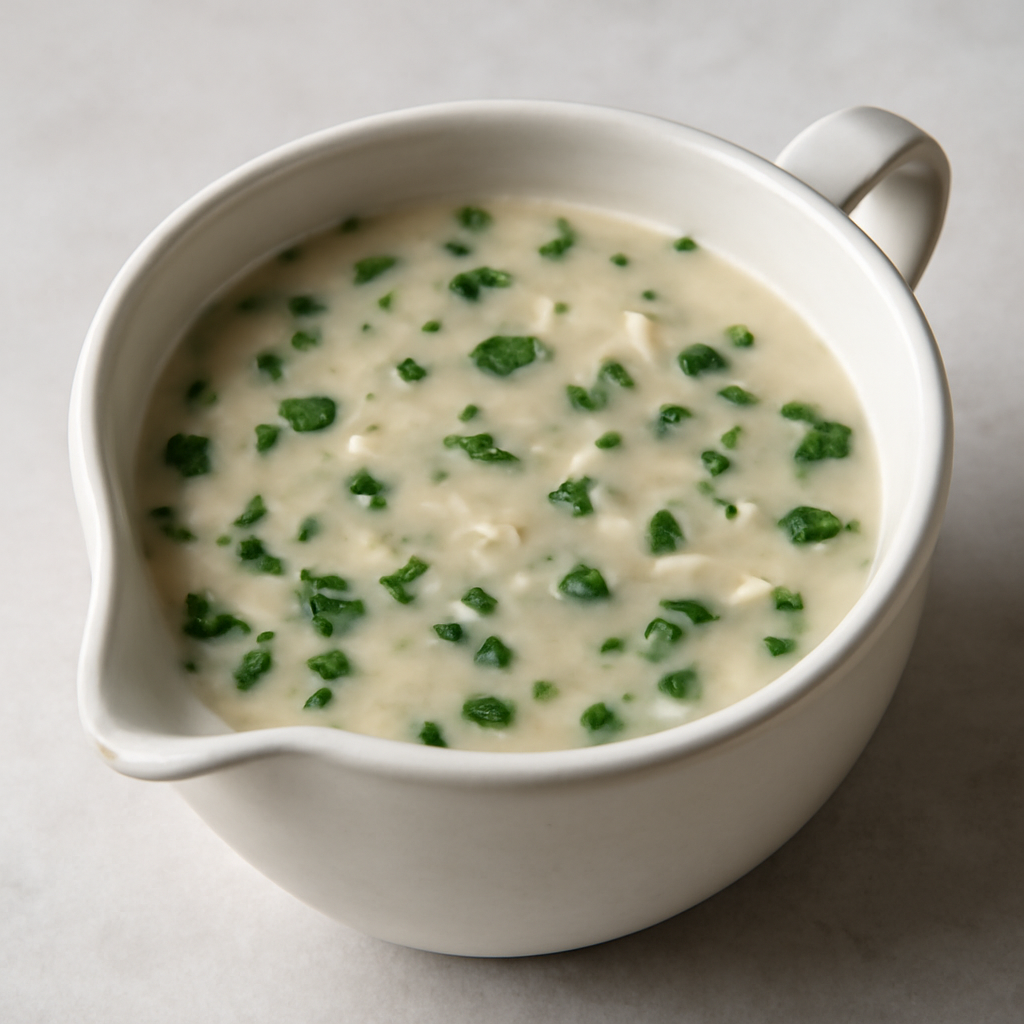
Frozen roe works well here because the sauce processes the texture anyway; just ensure it is fully thawed and as dry as possible before cooking. The sauce should look pale cream with grey-white flecks throughout.
If it looks yellow, the butter was too hot when added at the end. If it looks grey and flat, the roe was overcooked in the frying pan.
Do not use salted butter at any stage. Between the roe, the capers, and the fish stock, there is already considerable salt in the sauce before you season it.
If you want a smoother result, pass the sauce through a fine sieve after adding the roe, pressing through the solids. This gives a completely different character, closer to a velouté, and works better with delicate white fish than with potatoes.
Leftovers can be refrigerated for up to 24 hours and reheated very gently over a bain-marie, but expect some separation. Whisking in a few drops of warm water while reheating can help bring it back together.

Author Commentary