
 AI
AI
 AI
AI
 AI
AI
Ingredients
Method
-
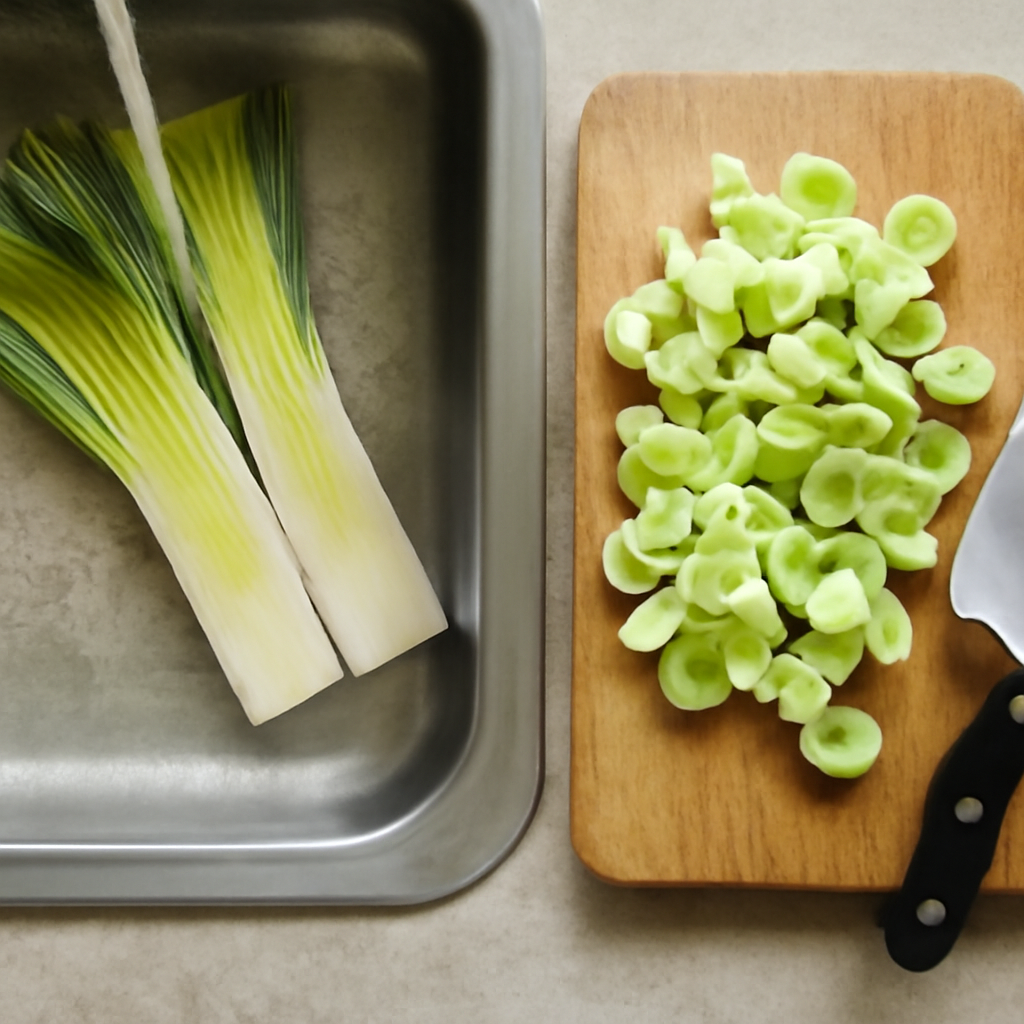
Halve the leeks lengthways and rinse them thoroughly under cold running water, fanning the layers apart. Grit concentrates between the inner layers, and any that makes it into the pot will not cook out. Slice the cleaned leeks into half-centimetre pieces and set aside.
-
Melt the butter in a heavy-based saucepan over a low to medium heat. Add the onion and celery and cook gently for 8 to 10 minutes, stirring occasionally, until both are completely soft and translucent. Do not let them colour. Add the garlic and cook for a further minute.
-
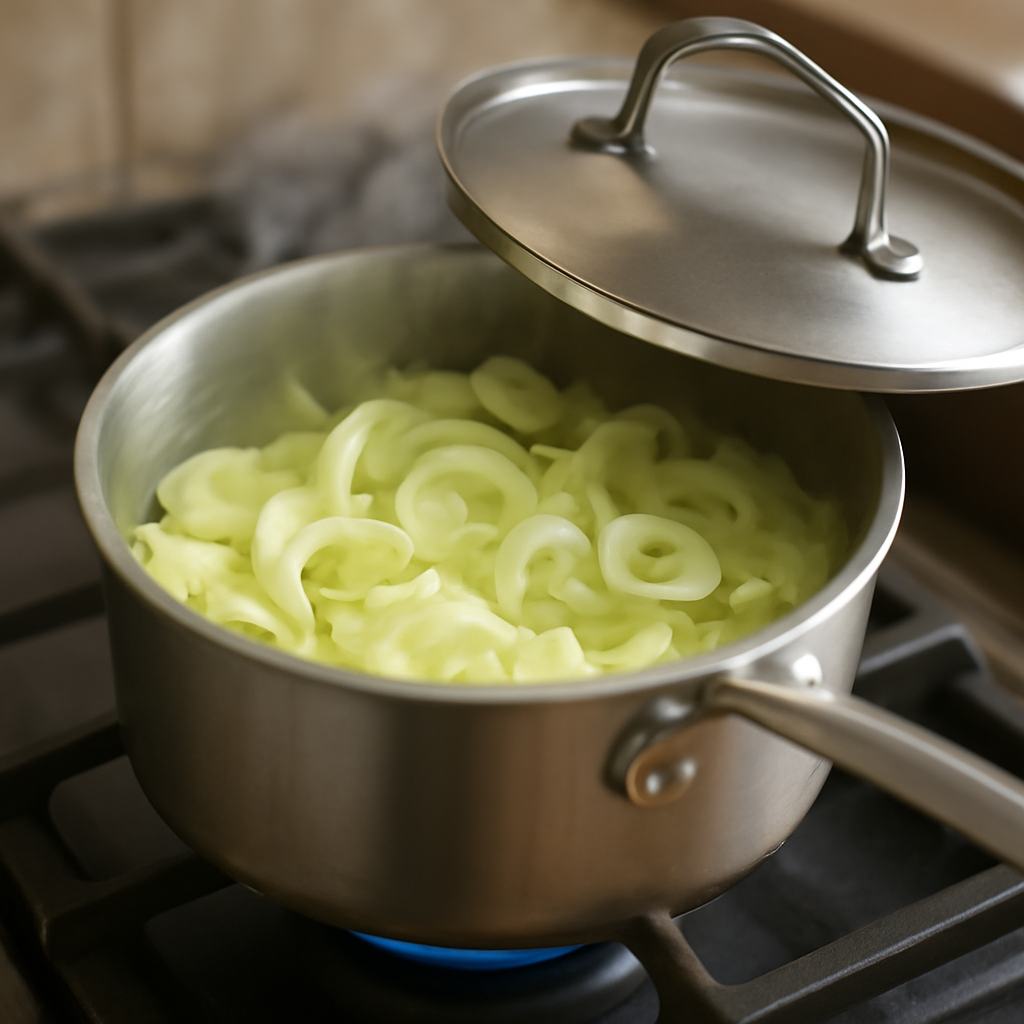
Add the sliced leeks to the pot and stir to coat in the butter. Season with half the salt. Cover with a lid and sweat for 10 minutes over a low heat, until the leeks have collapsed and released their liquid. The pot will smell faintly sweet and grassy at this point.
-
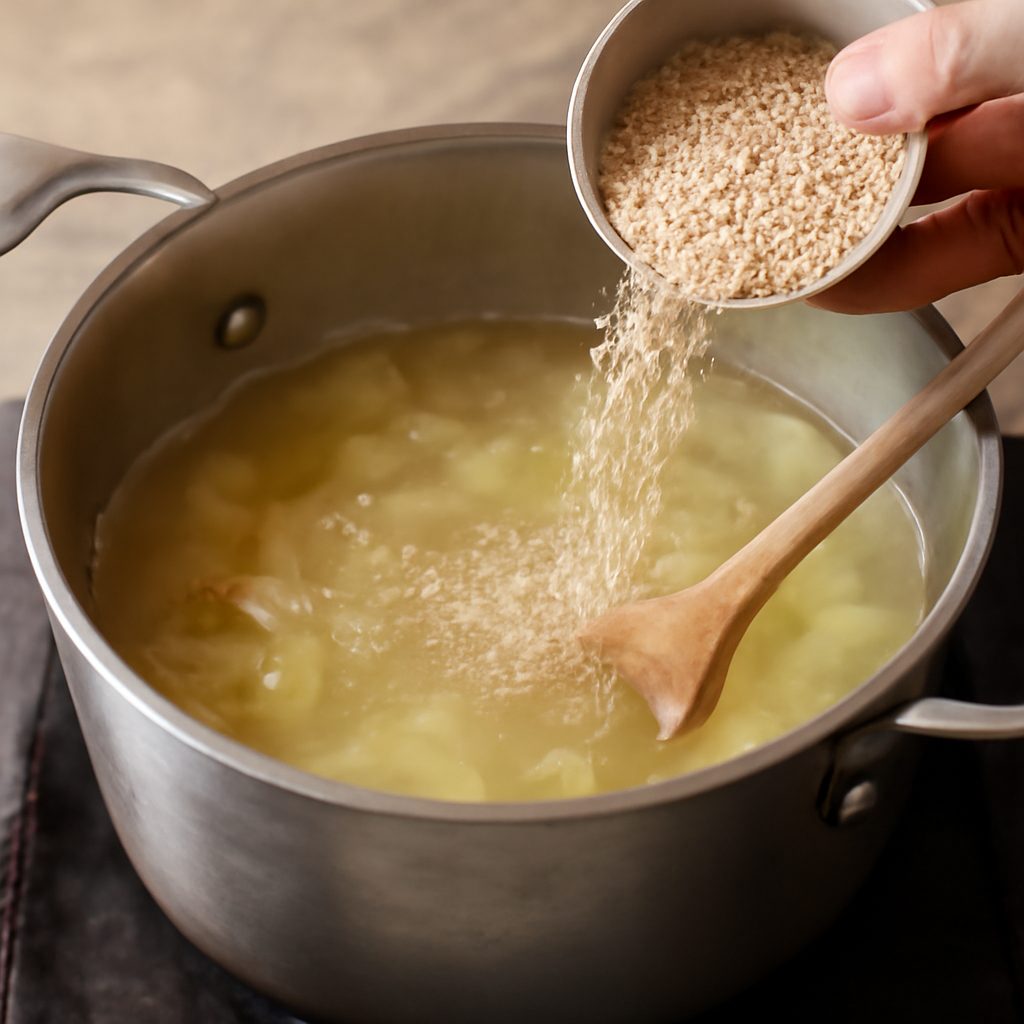
Pour in the vegetable stock and bring to a gentle simmer. Add the pinhead oatmeal in a slow, steady stream, stirring as you go to prevent any clumping. Once all the oatmeal is in, reduce the heat to low and cook uncovered for 20 minutes, stirring every few minutes. The oatmeal will swell and the broth will thicken gradually to a consistency somewhere between a thin soup and a loose porridge.
-
Stir in the milk and return to a bare simmer for 3 to 4 minutes. Do not allow it to boil at this stage, as the milk can cause the broth to look grainy at a rolling boil. Taste and adjust the seasoning with the remaining salt and the white pepper.
-
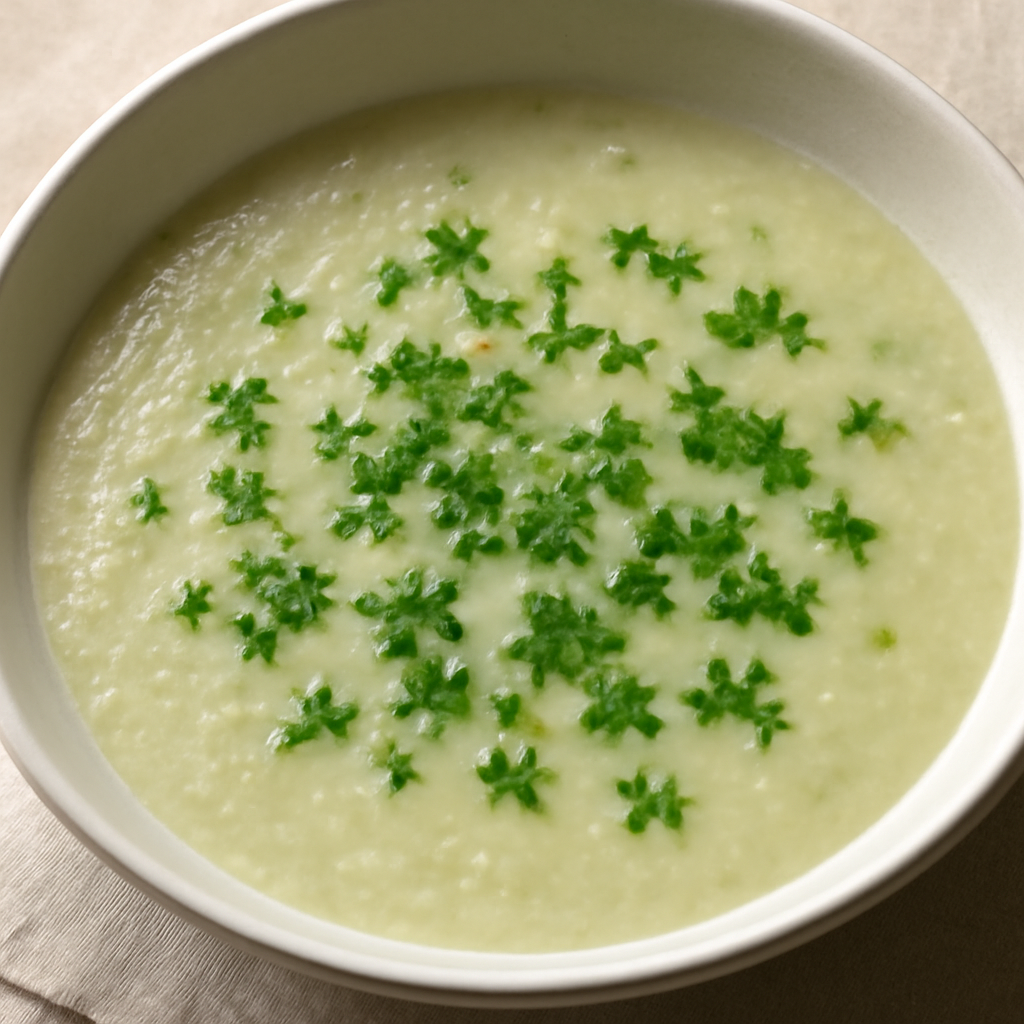
Ladle into warmed bowls and scatter the chopped parsley over the top immediately before serving. The parsley should be added at the last moment; it loses its brightness and its slight bitterness within minutes of hitting the hot broth.
Irish Context
Leeks and oats have both been cultivated in Ireland for centuries, and while this particular combination is not a named folk recipe, it draws on two ingredients that appear constantly in older Irish kitchen stores. Pinhead oatmeal was the standard form of oats in Irish households before rolled oats became widely available, used not only in porridge but as a thickener for soups and broths where plain flour would have been less available or more expensive.
Leeks, which tolerate the wet Irish climate well, were a kitchen garden staple grown for autumn and winter use when other vegetables were scarce. This broth reflects the practical logic of that store cupboard rather than any particular regional tradition.
Tips
Pinhead oatmeal is essential here. Rolled oats will break down too quickly and turn the broth gluey.
If pinhead oatmeal is unavailable, coarse oatmeal from a health food shop will do the same job. The broth thickens considerably as it sits and will become much denser by the time it cools.
If reheating from cold, loosen it with a splash of stock or water and bring it back up slowly, stirring constantly. White pepper rather than black keeps the speckling out of the finished bowl and suits the mild character of the broth.
Black pepper is not wrong, but it announces itself more loudly than this broth calls for. If the leeks are very large and the outer leaves are tough and fibrous, remove one or two of the outermost layers entirely.
Fibrous leek pieces do not soften even with extended cooking and will be unpleasant in the finished bowl. A small knob of butter stirred in just before serving rounds the broth out without making it heavy.
It is not necessary but worth doing on a cold day.

Author Commentary