
 AI
AI
 AI
AI
 AI
AI
Ingredients
Method
-
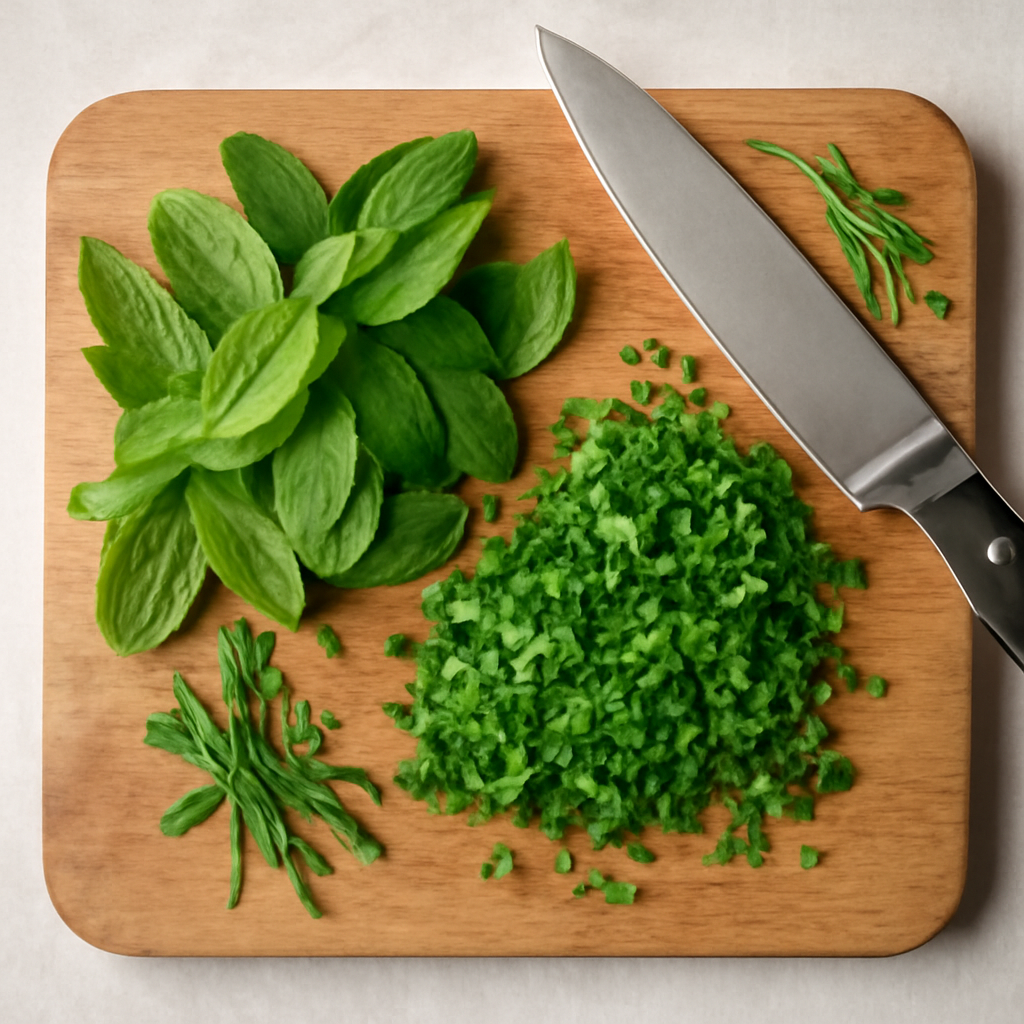
Strip the mint leaves from their stalks and discard the stalks. Pile the leaves together on a board and chop them finely with a sharp knife. You want a rough, textured chop rather than a paste; aim for pieces roughly 2 to 3mm across so the sauce has some body.
-
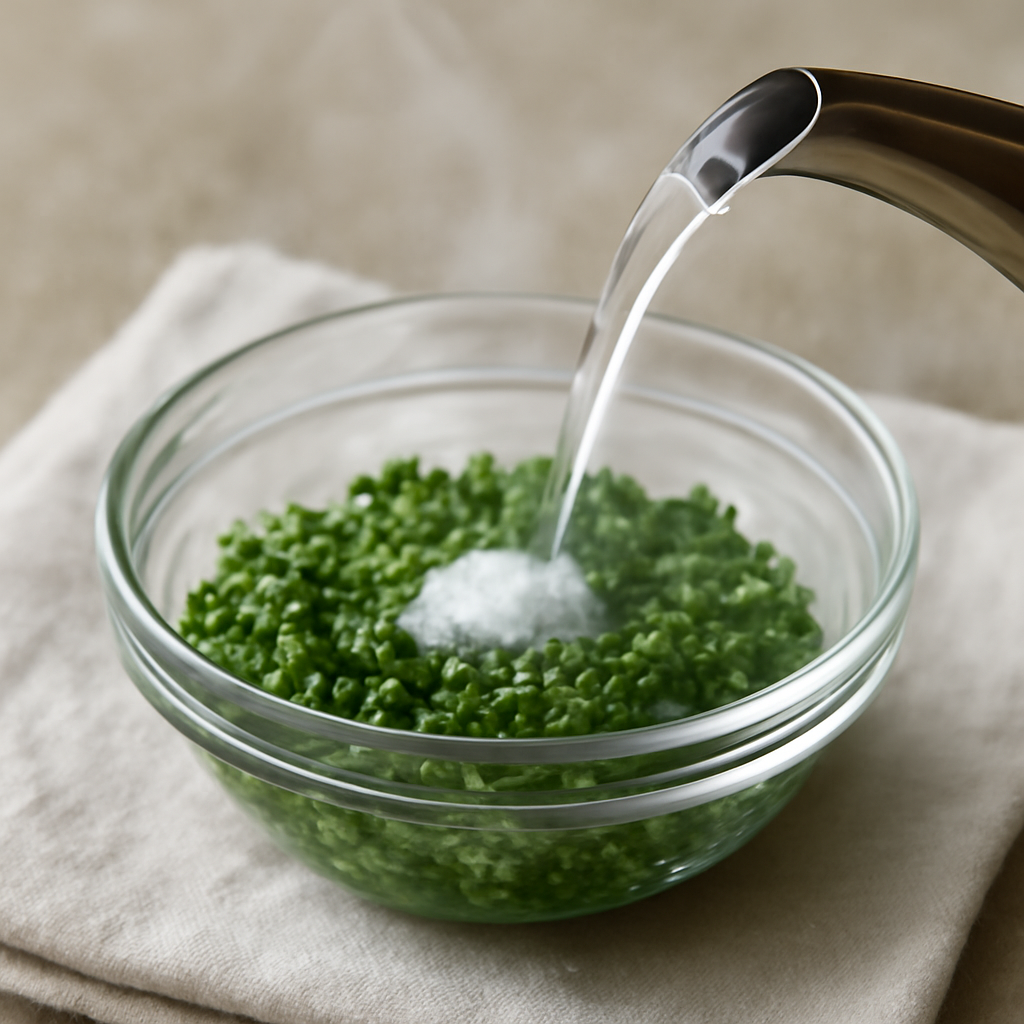
Transfer the chopped mint to a small heatproof bowl or jug. Sprinkle the caster sugar and a pinch of sea salt directly onto the mint.
-
Pour 30ml of just-boiled water over the mint and sugar. Stir immediately with a spoon for about 30 seconds. The heat draws out the oils from the mint and the sugar dissolves into the liquid. The mixture will smell sharply green and slightly sweet at this point.
-
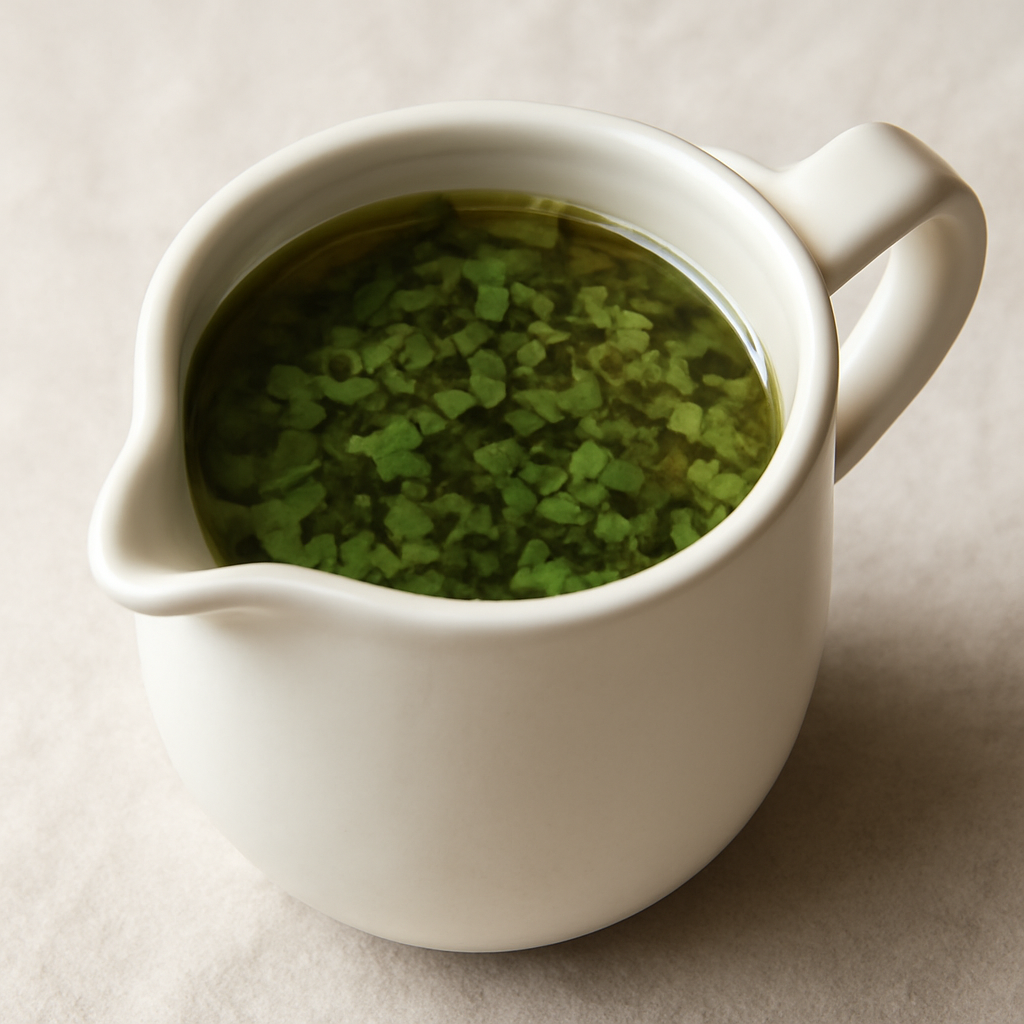
Leave it to steep for 3 to 4 minutes at room temperature. The colour will shift from bright green to a slightly deeper olive tone as the heat works through the leaves.
-
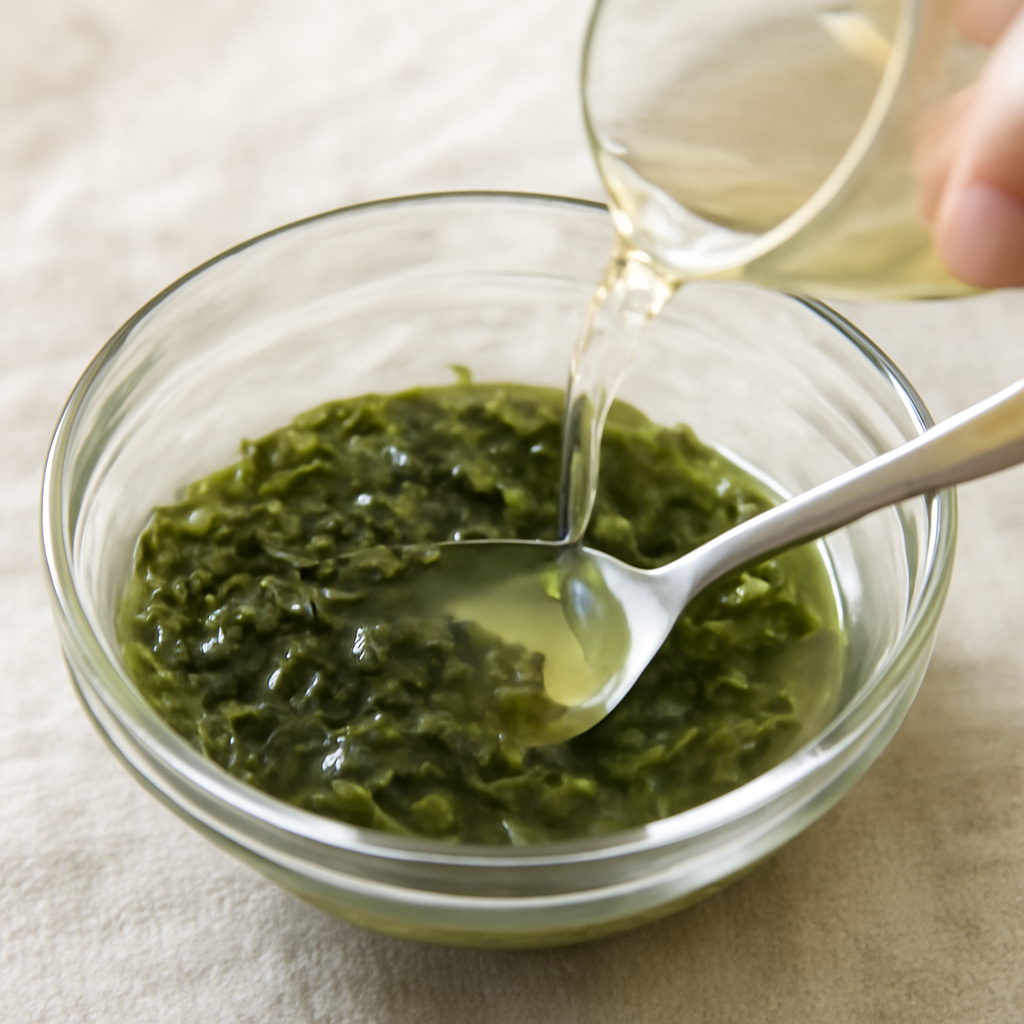
Add the white wine vinegar and stir well to combine. Taste it. The sauce should be bracingly sour with a clean mint finish and no residual sweetness dominating. Adjust with a few extra drops of vinegar or a pinch more sugar to bring it into balance for your palate.
-
Transfer to a small serving jug or bowl. The sauce is ready to use immediately but benefits from sitting for 10 to 15 minutes before serving, which allows the mint flavour to fully infuse the liquid.
Irish Context
Mint grows without much encouragement in Irish gardens, often taking over a corner of a raised bed or spreading along a wall in damp soil. It has been a kitchen garden staple here for as long as people have been keeping kitchen gardens.
The pairing with lamb is so instinctive in Irish cooking that a Sunday roast leg of lamb without a small jug of mint sauce on the table would feel genuinely incomplete to most households. The commercial versions in jars are fine in a pinch, but they tend to be sweeter than necessary and the mint flavour is flatter.
Making it from scratch takes less time than finding the jar at the back of the press.
Tips
Spearmint is the standard choice for this sauce. Applemint works well too and gives a slightly softer, rounder flavour.
Peppermint is far too aggressive and will make the sauce taste medicinal. Do not use a blender or food processor.
The sauce turns an unappealing grey-green and loses its texture entirely. A knife and a board are all you need.
If the mint leaves are wet from washing, pat them dry before chopping. Excess water on the leaves dilutes the sauce before you have even started.
The sauce will keep in a sealed jar in the fridge for up to two days, though the mint will dull in colour. Give it a stir and a taste before serving as the vinegar sharpness can intensify overnight.
Some people add a small amount of finely grated lemon zest to lift the sauce. It is not traditional but it works particularly well if you are serving this alongside lamb chops rather than a full roast.
If you are making this ahead for a dinner party, keep the mint chopped and the sugar dissolved in water separately, then add the vinegar no more than 30 minutes before serving to keep the colour as bright as possible.

Author Commentary