
 AI
AI
 AI
AI
 AI
AI
Ingredients
Method
-
Preheat your oven to 200°C (fan 180°C). Lightly oil a 900g loaf tin and dust it with a little wholemeal flour, tapping out any excess.
-
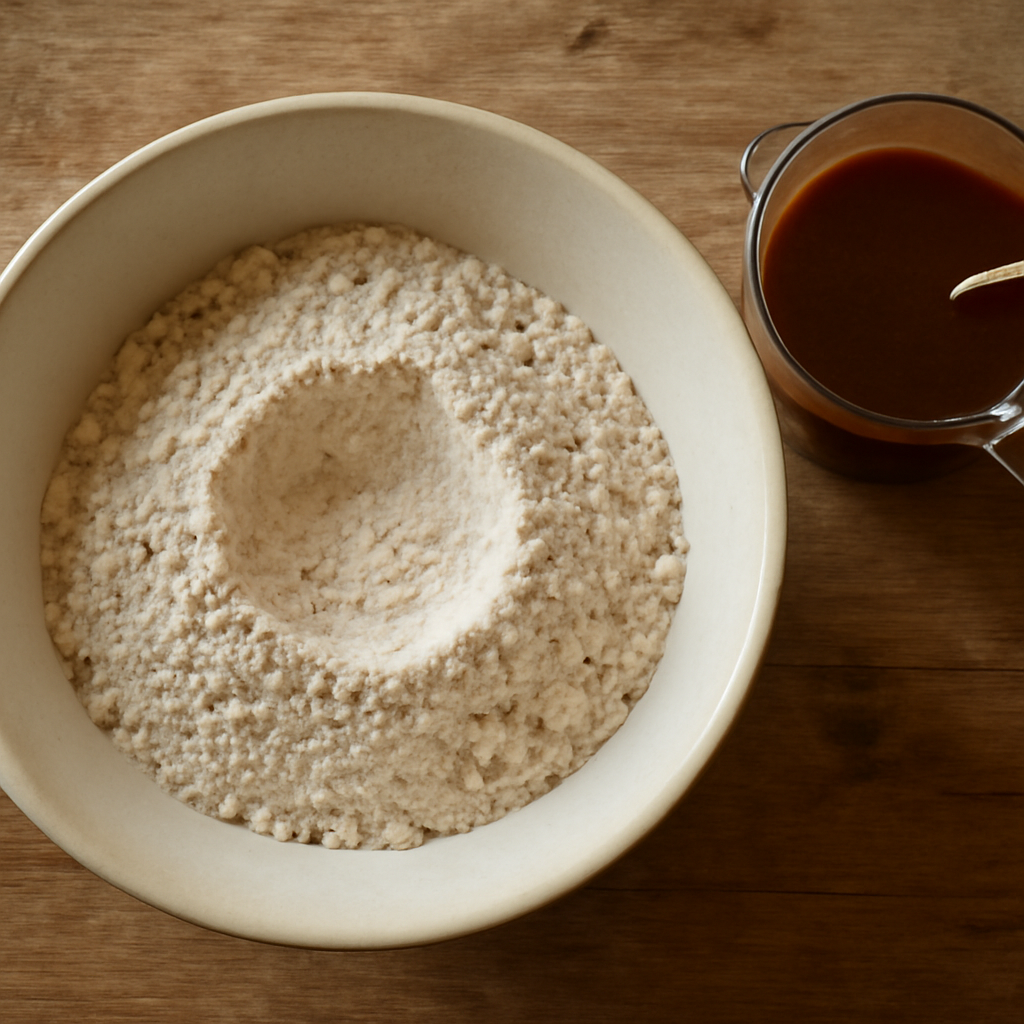
In a large bowl, combine the wholemeal flour, plain white flour, salt, bicarbonate of soda, baking powder, and seeds. Stir with a fork to distribute the raising agents evenly. If either the bicarb or baking powder has any lumps, press them through with the back of a spoon before mixing.
-
In a jug, stir the treacle into the buttermilk until it dissolves. Add the milk and sunflower oil and give it another stir. The treacle will not mix in completely at first; keep stirring until the liquid is a deep, even brown with no black streaks.
-
Make a well in the centre of the dry ingredients and pour in the liquid all at once. Use a large spoon or spatula to mix until just combined. The dough should look rough and shaggy, not smooth. Overworking it will tighten the crumb and you will lose the open texture you want.
-
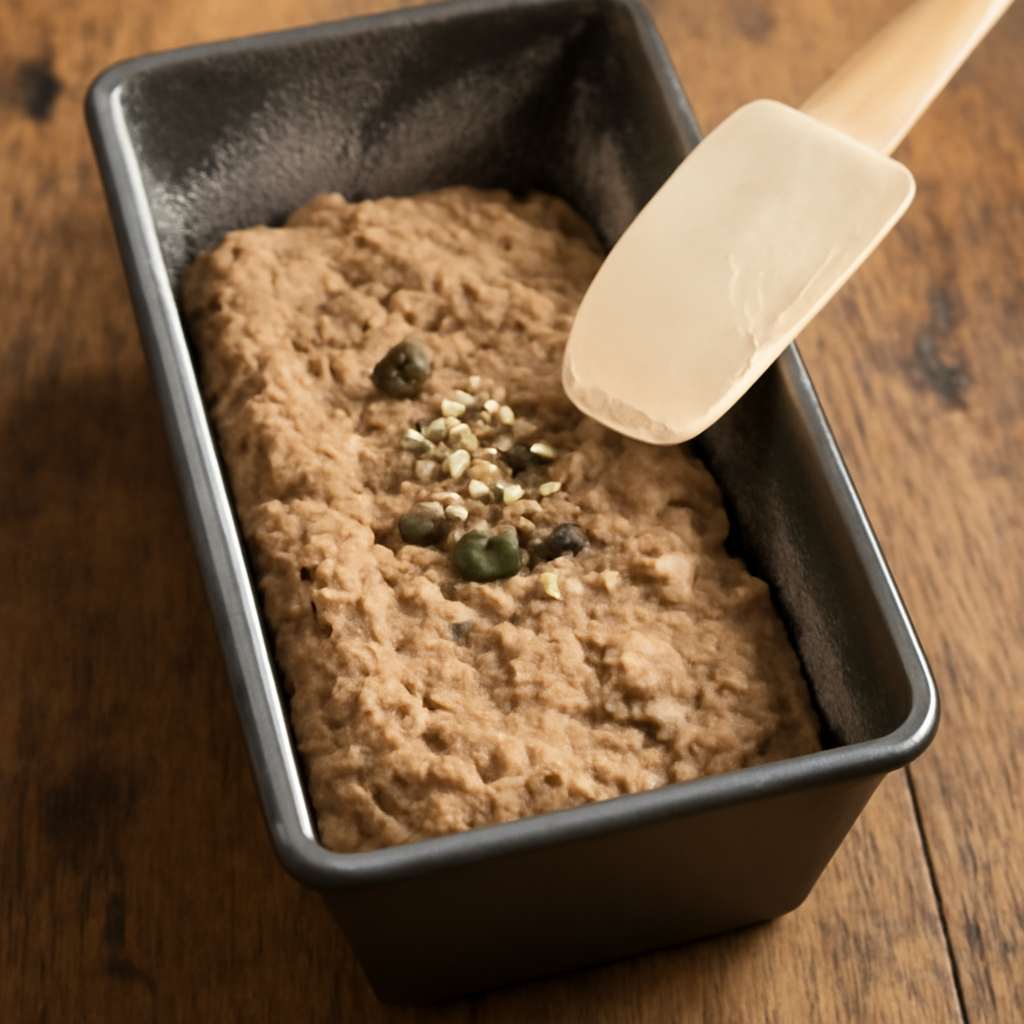
Tip the mixture into the prepared tin. Level the surface with wet fingers, pressing down lightly to fill the corners. Scatter a pinch of seeds across the top if you have some left. Using wet fingers matters here; the dough is sticky and dry hands will drag and tear it.
-
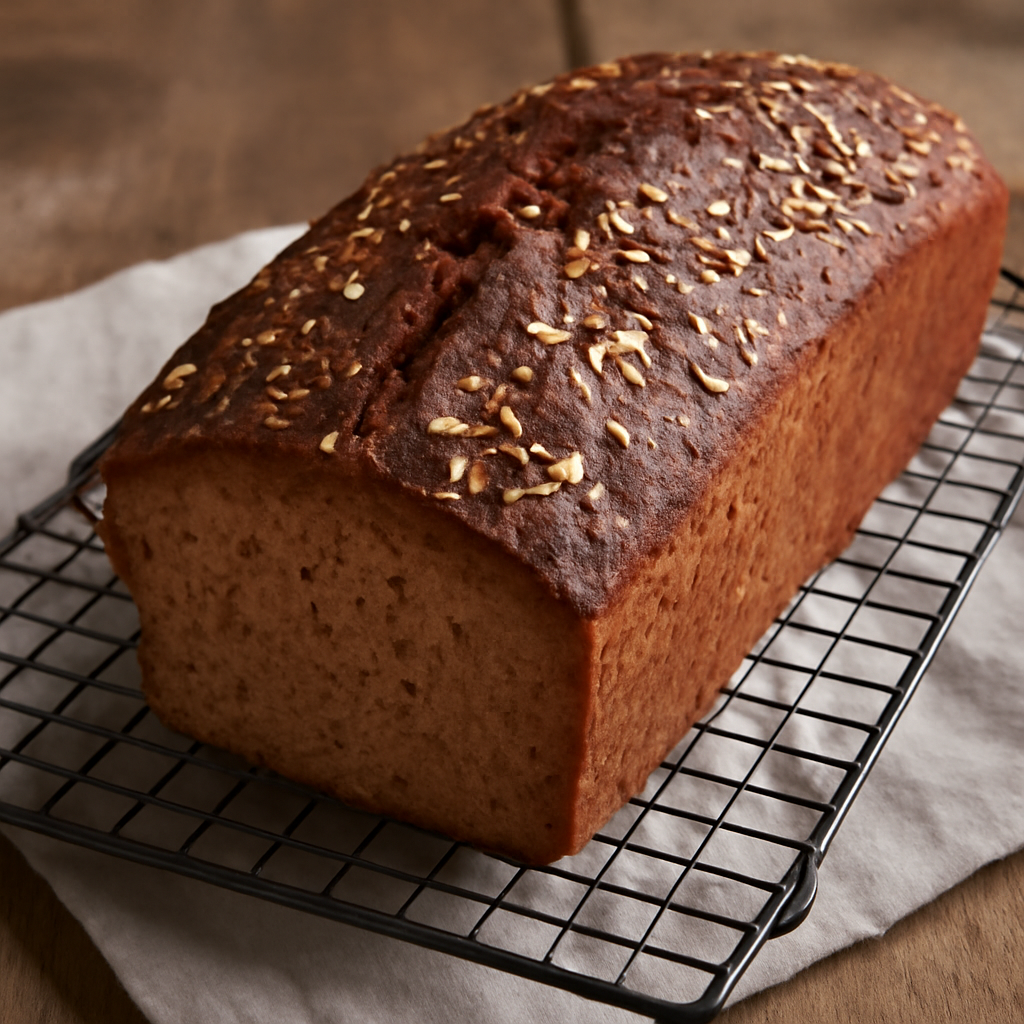
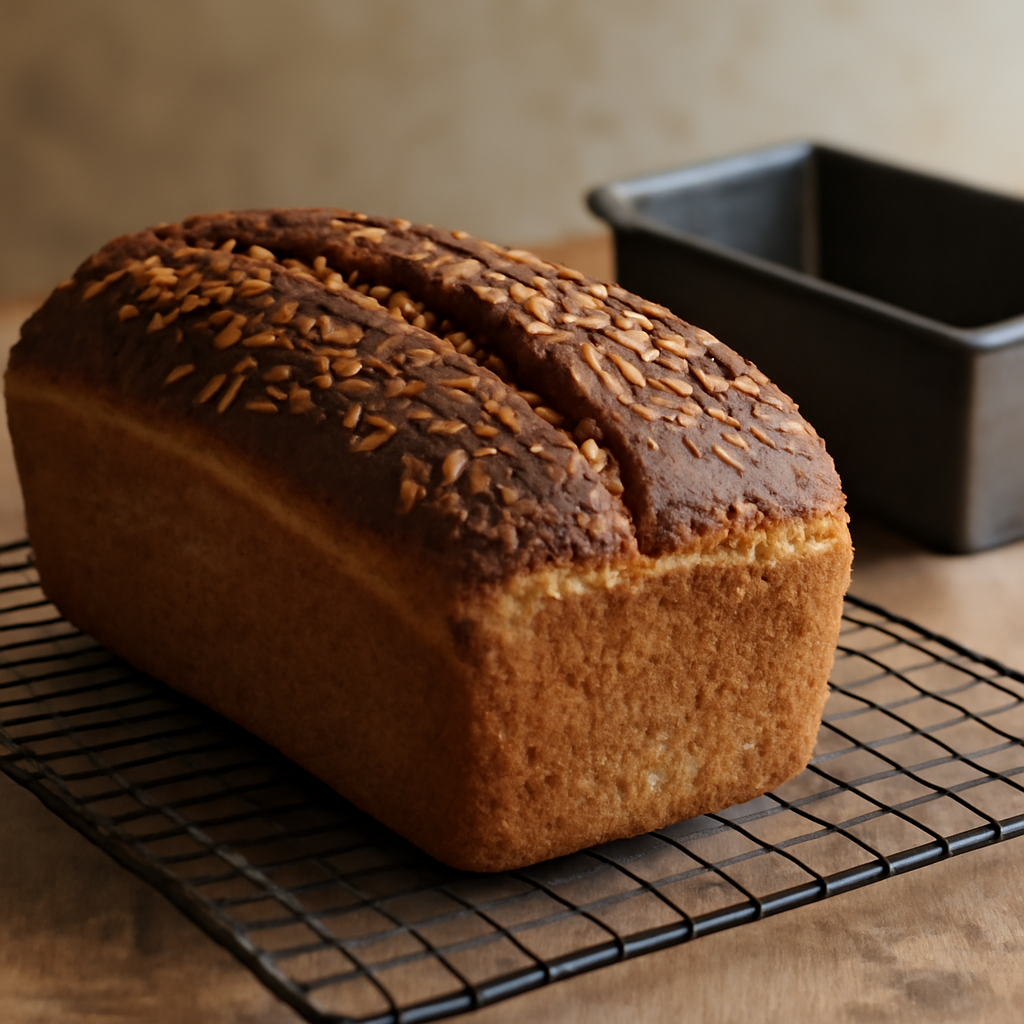
Bake on the middle shelf for 45 to 50 minutes. The loaf is ready when it has risen slightly, the top has formed a dark, cracked crust, and a skewer inserted into the centre comes out clean. If you tap the base of the loaf it should sound hollow, though wholemeal loaves give a duller knock than white bread, so trust the skewer test first.
-
Turn the loaf out of the tin immediately and set it on a wire rack. Do not slice it for at least 20 minutes. The crumb is still setting inside and cutting it too soon will give you a gummy, collapsed slice. The loaf continues to firm up as it cools.
Irish Context
Wholemeal soda bread has been a staple in Irish kitchens for well over a century, made practical by the country's soft wheat, which suits the low-gluten demands of soda leavening far better than a yeast dough. The loaf tin version, sometimes called a brown yeast-free loaf or a batch bread, became common when families wanted something that sliced cleanly for sandwiches rather than the irregular wedges of a round soda.
Stoneground wholemeal flour from Irish mills, where the bran and germ are left intact rather than bolted out, gives a noticeably earthier, coarser result than supermarket wholemeal. If you can source it, it is worth the difference.
Tips
Buttermilk is the key ingredient here. If you cannot find it, stir a tablespoon of white wine vinegar or lemon juice into 450ml of whole milk and leave it for five minutes.
It will curdle slightly and thicken; that is what you want. The ratio of wholemeal to white flour matters.
Going 100% wholemeal produces a loaf that crumbles when sliced and dries out within a day. The 80:20 split keeps the crumb coherent without lightening the flavour.
Treacle is not optional. It is not there for sweetness; a single tablespoon in a 500g loaf adds colour and a faintly bitter, malty note that rounds out the grassiness of the wholemeal.
Molasses will do the same job. Check your bicarbonate of soda.
If it has been sitting open in a cupboard for six months it may be spent, and the loaf will not lift properly. Drop a pinch into a cup of hot water; if it fizzes actively, it is still good.
This bread freezes well. Slice the whole loaf, layer with baking parchment between the slices, and freeze in a sealed bag.
Individual slices go straight from the freezer into the toaster.

Author Commentary