
 AI
AI
 AI
AI
 AI
AI
Ingredients
Method
-
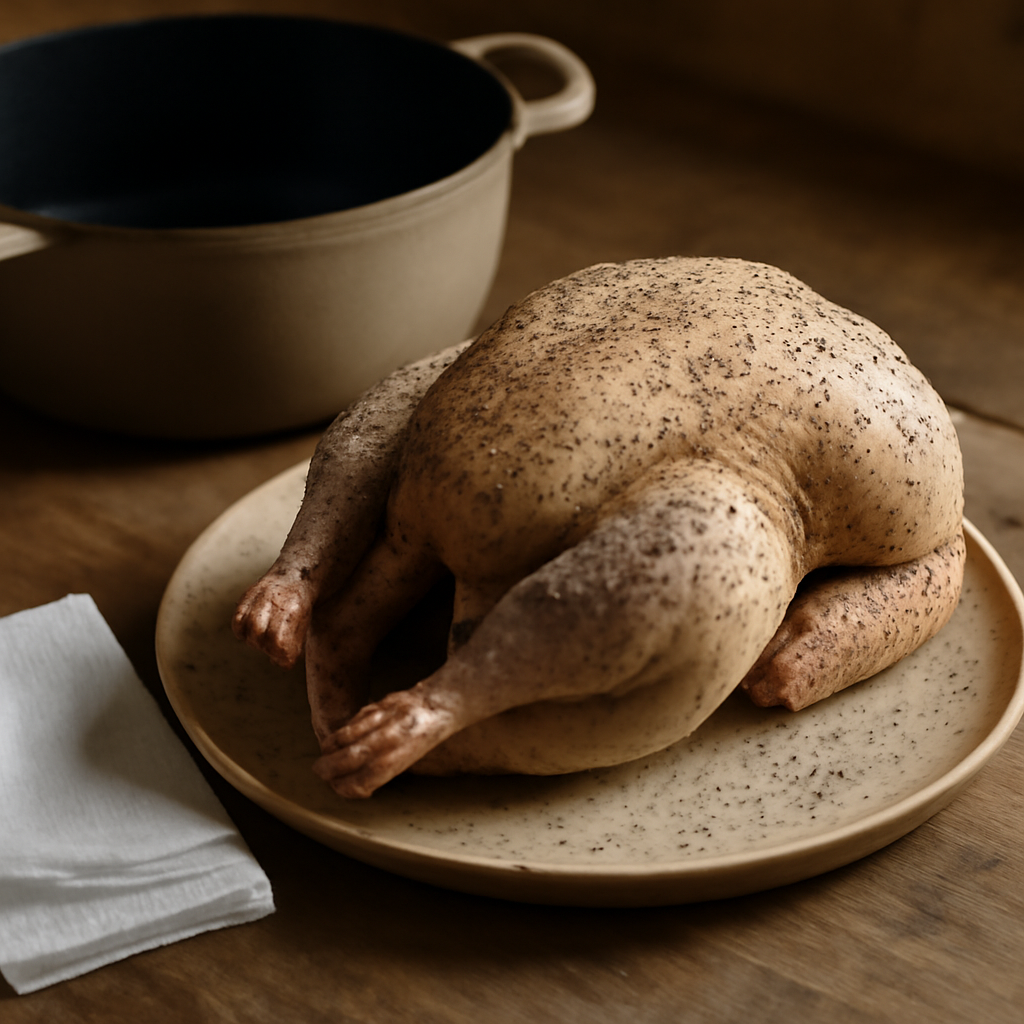
Take the pheasant out of the fridge 30 minutes before cooking. Pat it dry all over with kitchen paper. A wet bird will steam rather than brown, so do not skip this step. Season generously inside the cavity and all over the skin with salt and black pepper.
-
Preheat your oven to 160°C (fan 140°C). Use a heavy-based casserole dish with a tight-fitting lid, large enough to hold the bird without wedging it in.
-
Set the casserole over a medium-high heat and add the sunflower oil. Once the oil shimmers, add the butter and let it foam. Lay the pheasant on one side and leave it alone for 3 minutes until the skin is deep golden brown. Turn it onto the other side for another 3 minutes, then sit it breast-side down for 2 minutes. Finally, brown the breast side for 3 minutes. The colour you build here is not decorative; it is the flavour base for the whole dish. Lift the bird out and rest it on a plate.
-
Reduce the heat to medium. Add the bacon lardons to the fat left in the casserole and fry for 4 minutes until the fat starts to render and the edges colour. Do not drain the fat.
-
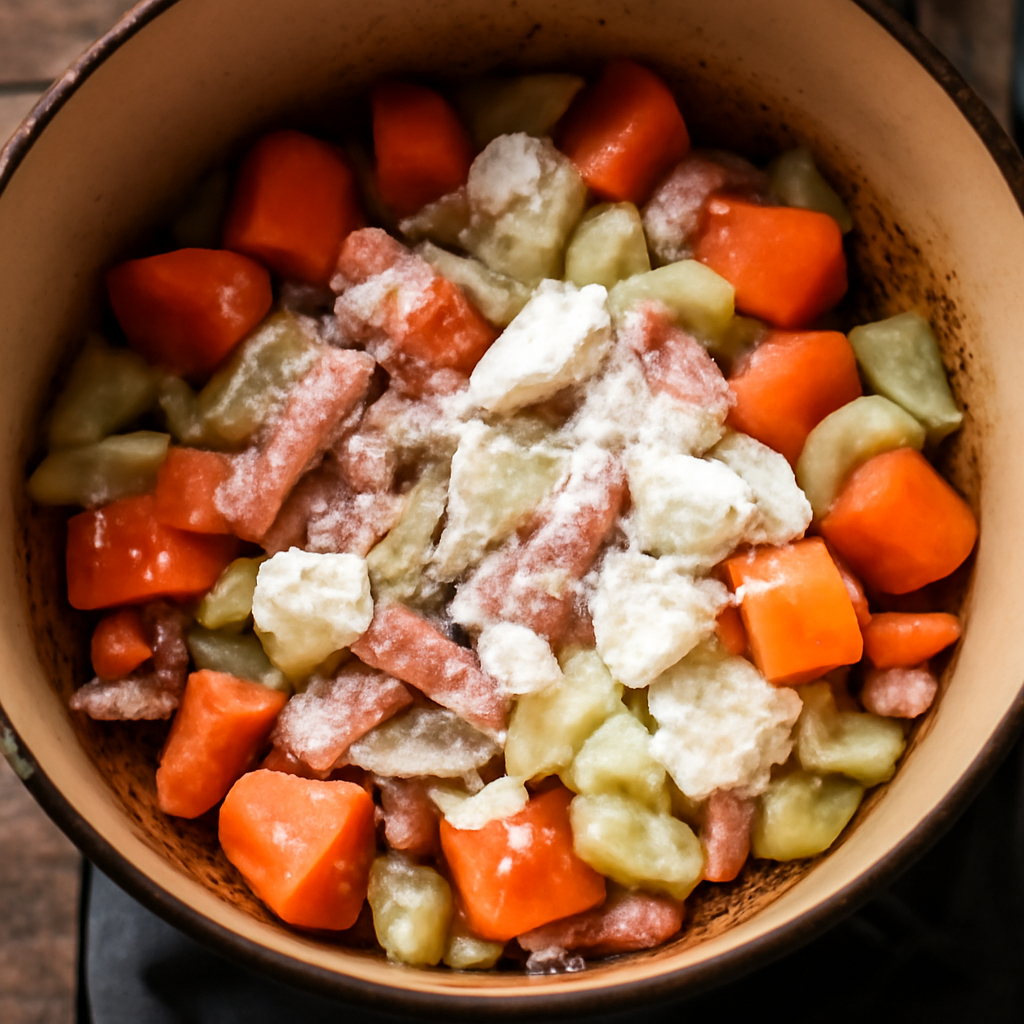
Add the onion, carrots and celery. Cook for 6 to 7 minutes, stirring occasionally, until the onion softens and takes on some colour at the edges. Add the garlic and stir for 1 minute.
-
Scatter the flour over the vegetables and stir it through so it coats everything evenly. Cook for 1 minute to take the raw edge off the flour.
-
Pour in the cider. It will bubble hard. Stir the base of the pan to lift any caramelised bits. Add the stock, Dijon mustard, thyme sprigs and bay leaf. Stir to combine and bring to a gentle simmer.
-
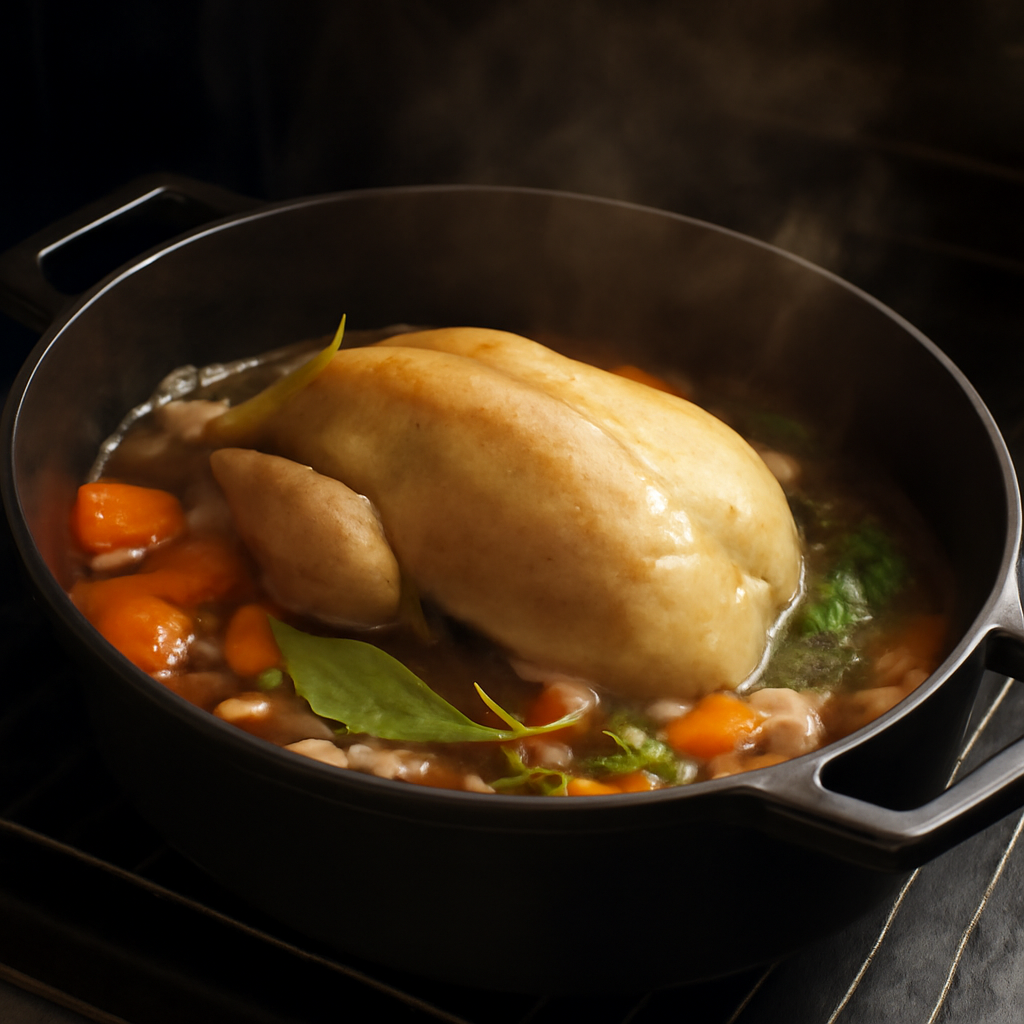
Nestle the pheasant breast-side up among the vegetables. The liquid should come roughly halfway up the bird. If it is too shallow, add a splash more stock or water. If it is too deep, the skin on top will stew rather than hold any texture.
-
Cover with the lid and transfer to the oven. Cook for 50 minutes, then remove the lid for the final 15 minutes to let the breast skin dry and firm slightly. The total oven time is 65 minutes.
-
To check doneness, pierce the thickest part of the thigh with a skewer. The juices should run clear with no trace of pink. The leg joint should feel loose when you move it. If there is any resistance or pink juices, return the dish to the oven for 10 more minutes and check again.
-
Lift the pheasant out and rest it breast-side down on a warm plate, tented loosely with foil, for 15 minutes. This is not optional. The breast is lean and tight and it needs this time to relax.
-
While the bird rests, remove the thyme stalks and bay leaf from the casserole. Taste the cooking liquor. If it seems thin, set the casserole over a medium heat uncovered and simmer for 5 to 8 minutes until it reduces to a sauce consistency that coats the back of a spoon. Adjust salt and pepper.
-
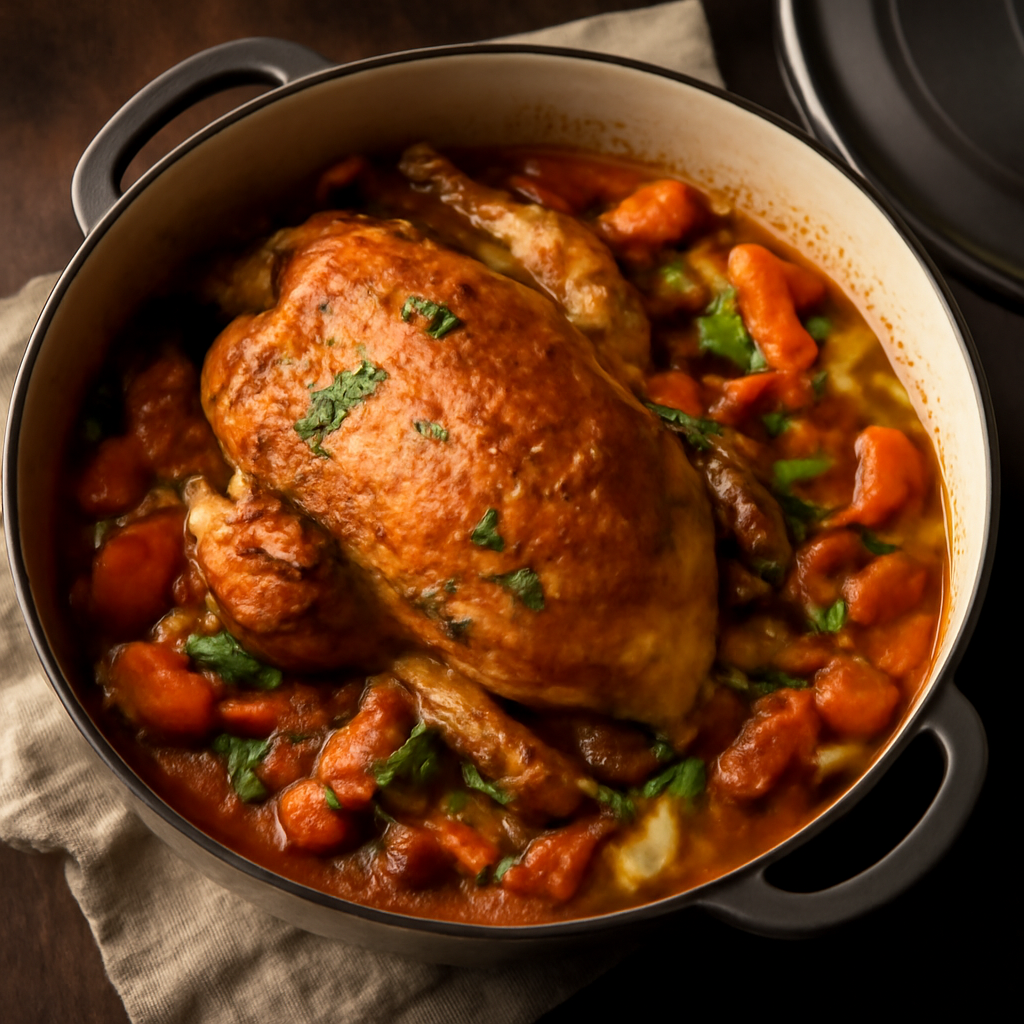
Carve the pheasant or simply pull the legs free and slice the breast against the grain into thick pieces. Return everything to the casserole or spoon the sauce and vegetables directly onto warmed plates. Finish with chopped parsley.
Irish Context
Pheasant appears at Irish game dealers and good butchers from October through January. Outside the shooting season it is harder to find, but some suppliers freeze birds in autumn for year-round availability.
The combination of Irish cider and root vegetables is a natural fit for this dish given what is actually available and affordable here during the autumn and early winter months. The vegetables sold alongside game birds at a country market in late October are essentially what this recipe calls for.
Tips
Pheasant breast dries out fast. The pot roast method protects it by surrounding the bird with moisture, but pulling it out while still slightly underdone is a risk.
If in doubt, err on the side of a few more minutes rather than fewer. If you are sourcing the bird yourself, make sure it has been hung for at least 3 to 4 days.
A freshly shot bird will be tough and the flavour will be flat. Ask your butcher or game dealer directly.
Hen pheasant tends to be smaller and slightly more tender than cock pheasant. If you have a cock bird over 1kg, add 10 to 15 minutes to the covered cooking time.
The cooking liquor does not need thickening beyond the flour added during cooking, but if you want a more substantial sauce, whisk a teaspoon of butter into the simmering liquid at the end. This dish holds well.
If cooking a day ahead, cool the whole casserole quickly, refrigerate, and reheat covered at 160°C for 25 to 30 minutes. The flavour is actually better the next day once the cooking liquor has had time to settle.

Author Commentary