
 AI
AI
 AI
AI
 AI
AI
Ingredients
Method
-
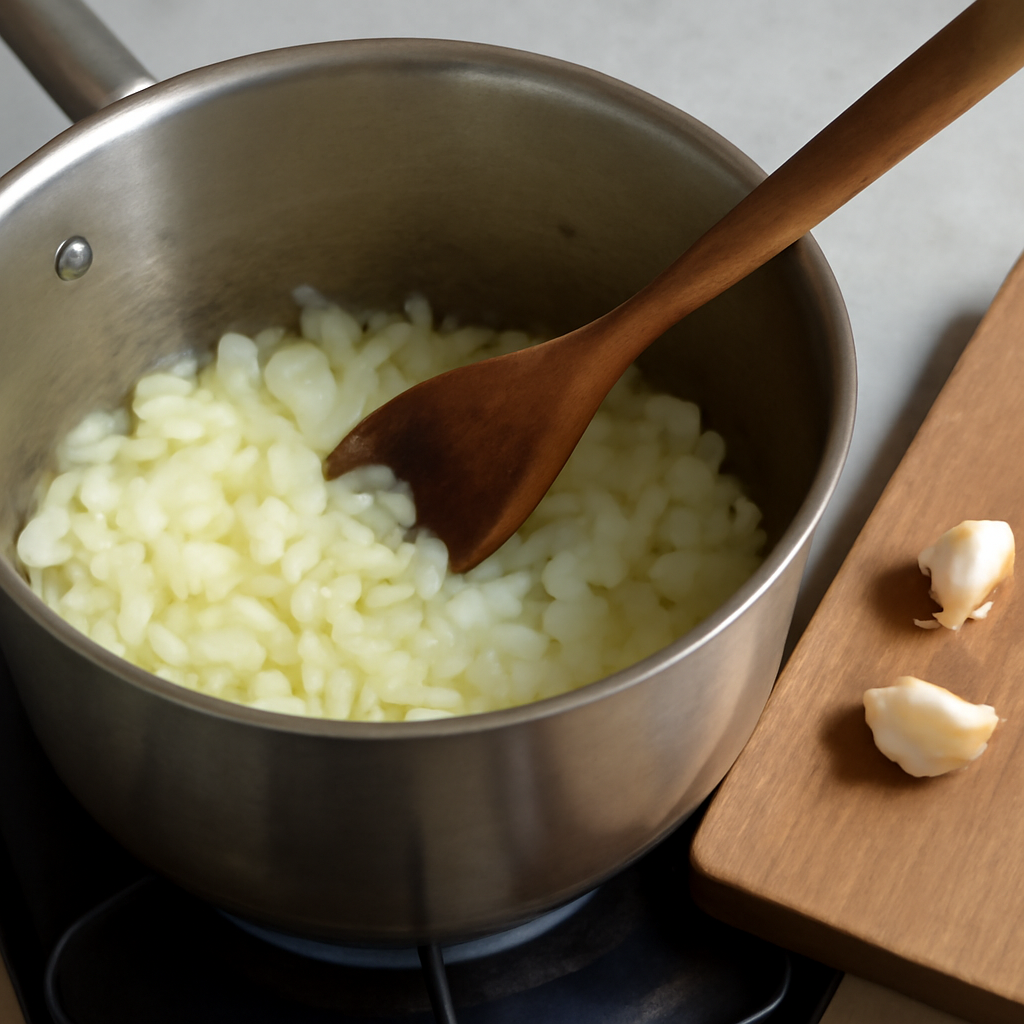
Melt the butter in a heavy-based saucepan over a medium-low heat. Add the onion with a pinch of salt and cook gently for 8 to 10 minutes, stirring occasionally, until soft and translucent but not coloured. The onion should smell sweet rather than sharp. If it starts to take on colour, reduce the heat.
-
Add the garlic and stir for 1 minute until fragrant. Add the potato chunks and stir to coat them in the butter.
-
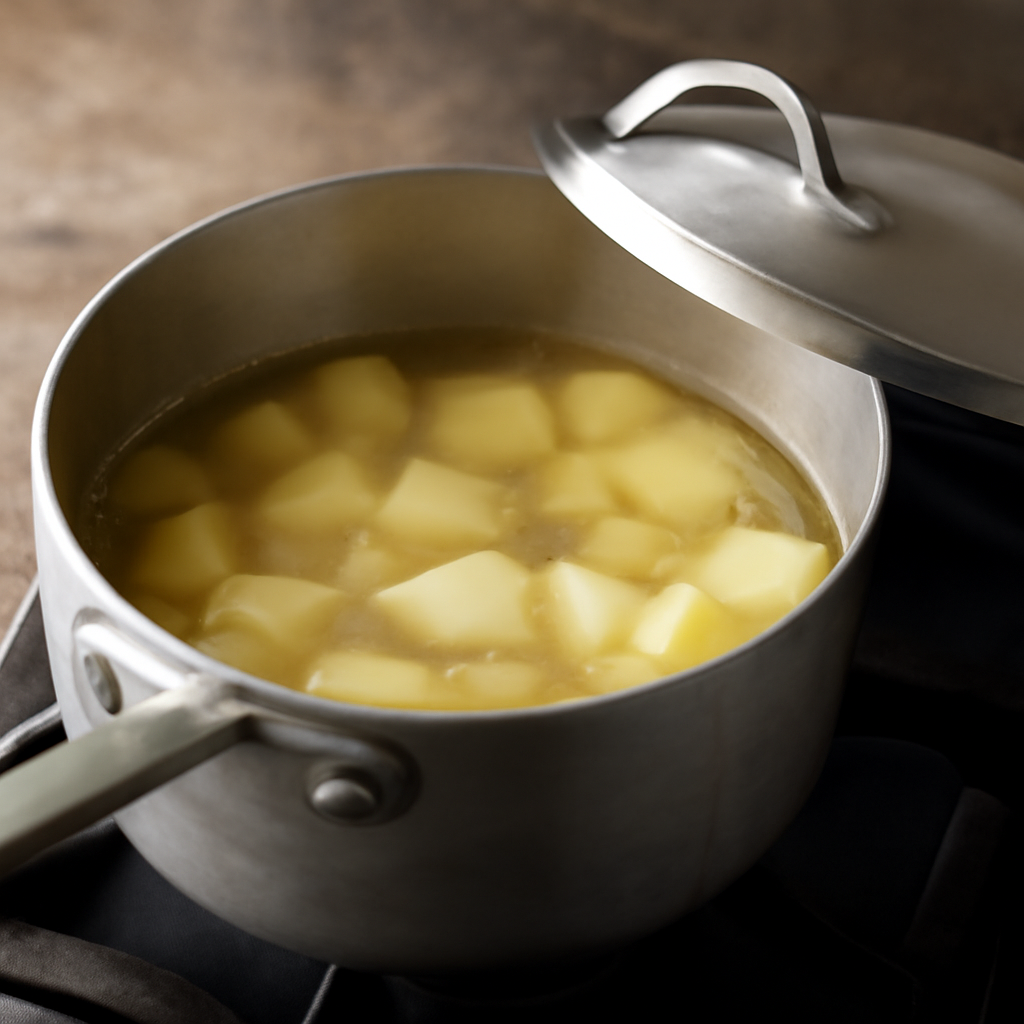
Pour in the stock and bring to a gentle boil over medium heat. Reduce the heat, cover the pan partially with a lid, and simmer for 20 to 25 minutes until the potato is completely tender. Test with the tip of a knife; it should meet no resistance at all. Underdone potato will give the finished soup a slightly gluey texture that no amount of blending will fix.
-
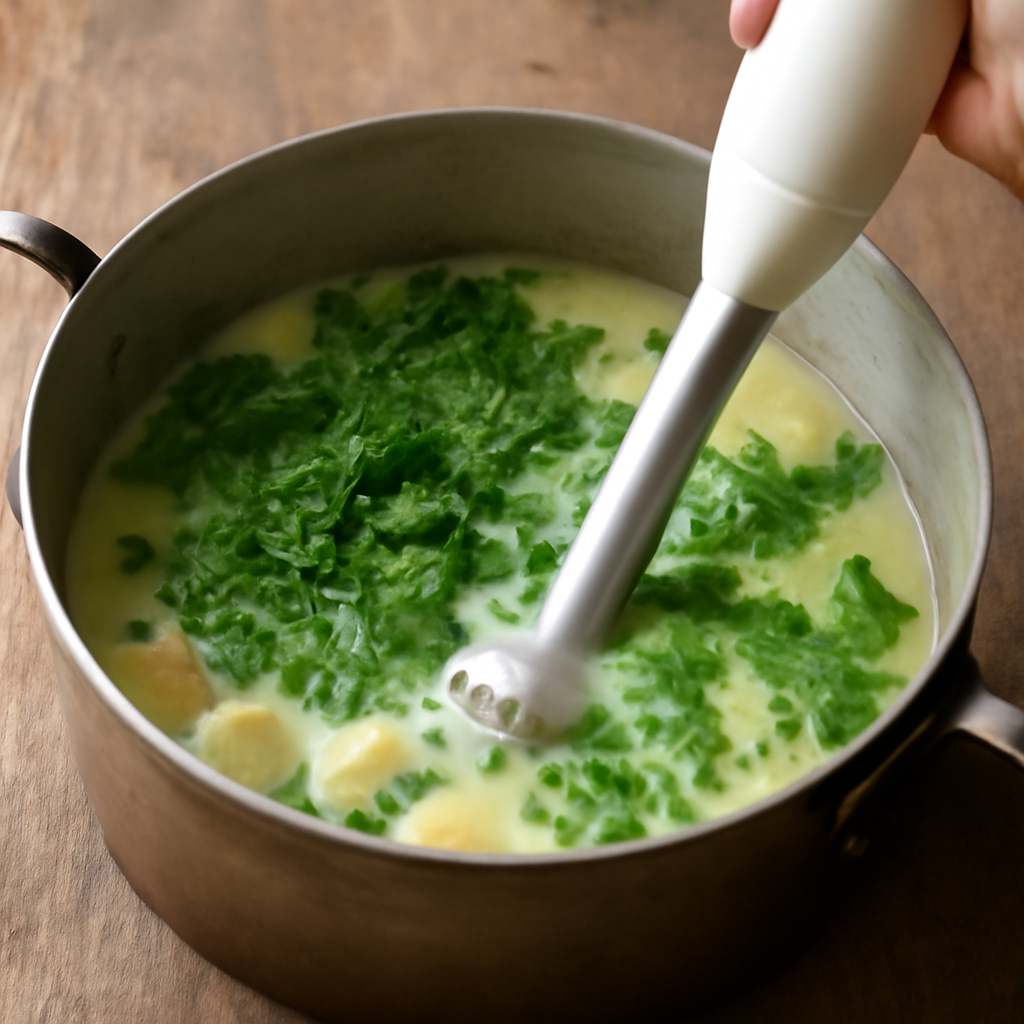
Remove the pan from the heat. Add the chervil leaves and stir them into the hot soup. Leave to sit for 2 minutes so the herb infuses without overcooking. Chervil is fragile; prolonged heat turns it grey and strips out its delicate character entirely.
-
Add the milk. Using a stick blender, blend the soup until smooth. Work slowly and keep the blender head submerged to avoid spattering. If you prefer a finer texture, pass the blended soup through a sieve, pressing with the back of a ladle. Return to the pan over a low heat.
-
Taste carefully. Season with salt and white pepper. White pepper is worth using here because black pepper flecks show against the pale colour and the flavour is slightly milder. Reheat gently to just below a simmer; do not boil the soup after blending or the texture loosens.
-
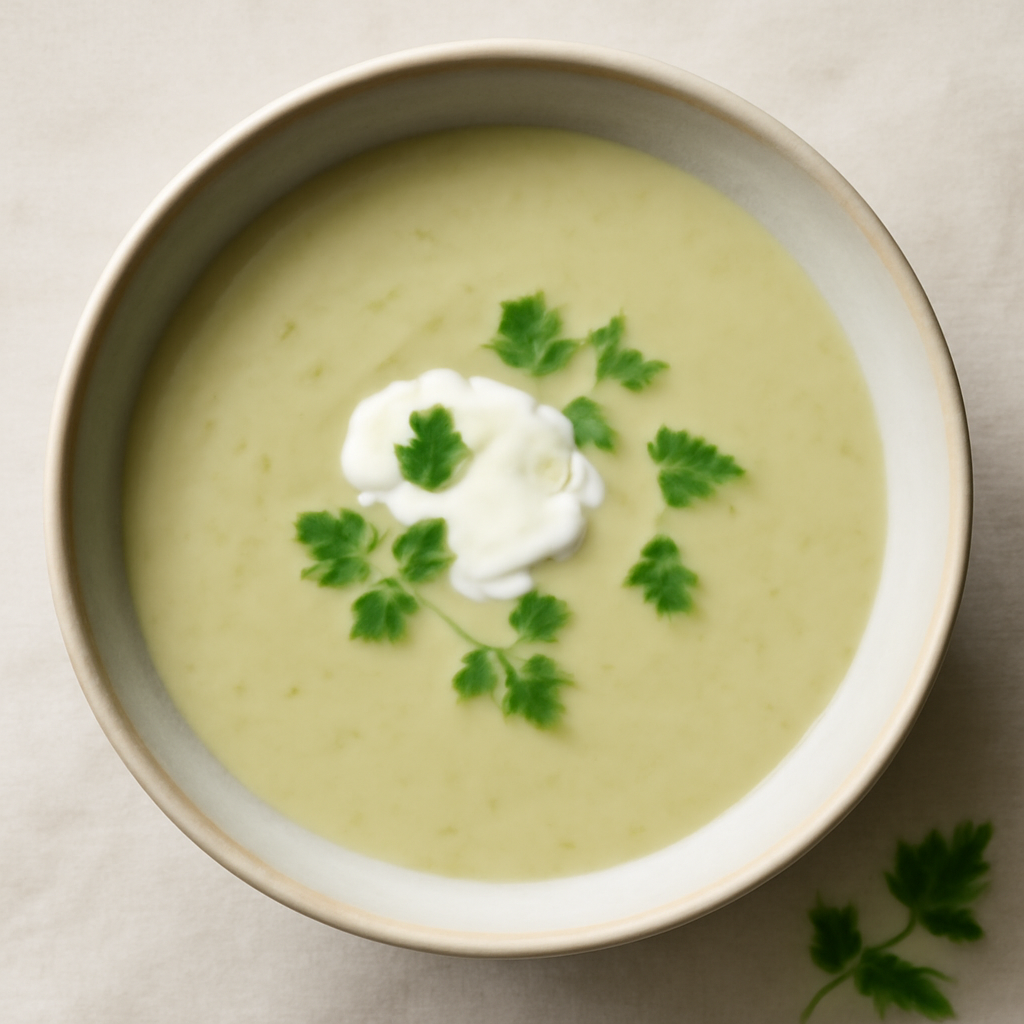
Ladle into warmed bowls. Add a small spoonful of crème fraîche to the centre of each bowl and scatter over a few fresh chervil leaves. Serve immediately.
Irish Context
Chervil has never quite settled into mainstream Irish cooking the way it has in parts of France, but it grows easily in Irish gardens and polytunnels from early spring and is found in some farmers markets from March onward. Paired with the Rooster potato, which has been the backbone of the Irish kitchen garden since the late 1990s, this soup belongs to a sensible tradition of using what grows well in cool, damp conditions rather than reaching for anything exotic.
Tips
Floury potatoes are non-negotiable for the texture you want here. Waxy varieties like Charlotte will give you a soup that feels slightly gluey and does not blend to the same smooth finish.
Roosters are widely available across Ireland and work well. Chervil wilts and browns quickly after cutting.
Strip the leaves from the stems just before you need them. If your chervil is looking tired at the edges, add a small handful of flat-leaf parsley alongside it to compensate without changing the flavour direction of the soup.
The soup thickens noticeably as it cools. If reheating from the fridge, add a splash of stock or milk and stir over a low heat until it loosens back to the right consistency.
For a fully vegetarian version, use a well-seasoned vegetable stock. A pale one made with leek, celery and bay will suit this soup better than a dark, tomato-heavy stock, which would muddy both the colour and the flavour.

Author Commentary