
 AI
AI
 AI
AI
 AI
AI
Ingredients
Method
-
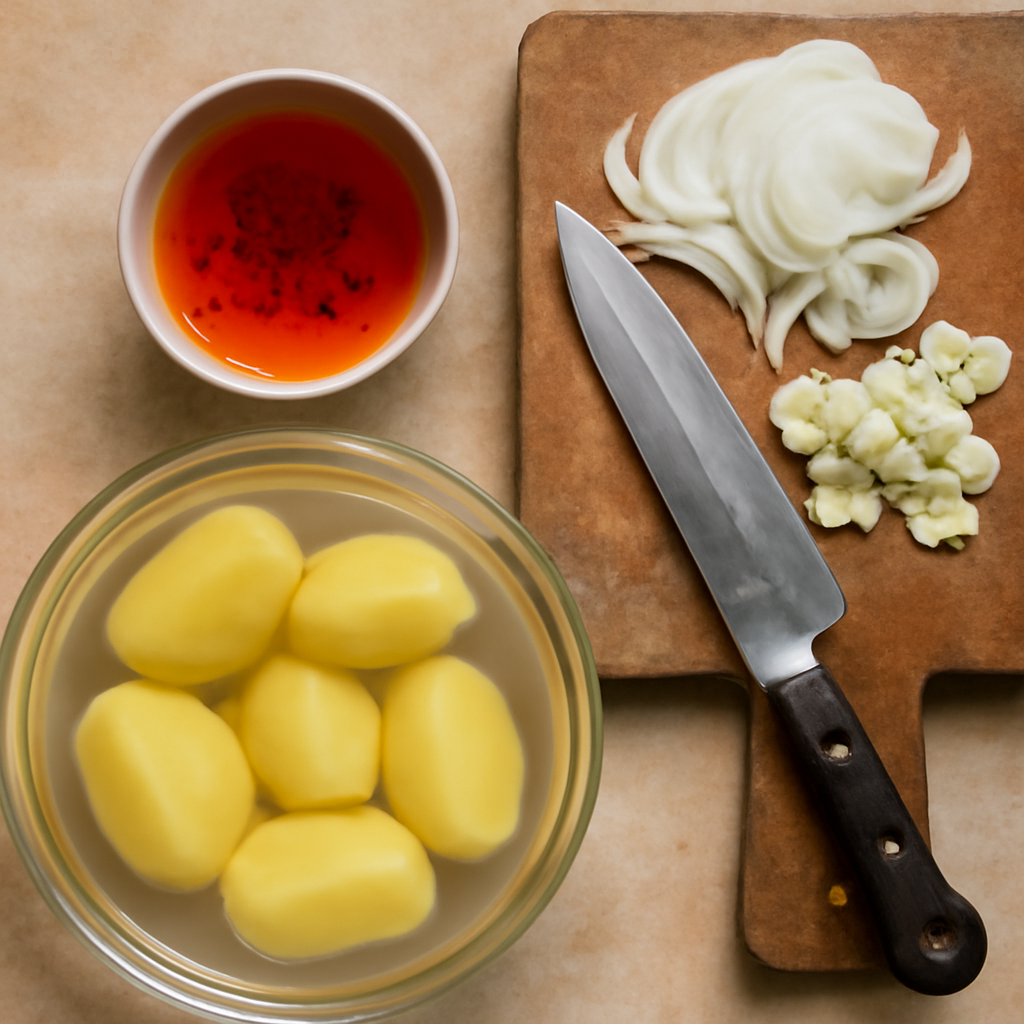
Place the saffron threads in a small bowl or cup. Pour 3 tablespoons of just-boiled water over them and leave to steep for at least 10 minutes. The water should turn a deep amber-orange. If it looks pale yellow, your saffron is old and the result will be muted.
-
Peel and halve the potatoes lengthways. If any pieces are significantly larger than the others, cut them again. Consistent sizing matters here because you want every piece to finish cooking at the same time. Set aside in cold water to prevent discolouration while you prepare the base.
-
Place a wide, heavy-based saucepan or shallow casserole dish over a medium heat. Add the olive oil. When the oil shimmers but is not smoking, add the sliced onion with a pinch of salt. Cook for 8 to 10 minutes, stirring occasionally, until the onion is soft and just beginning to colour at the edges. Do not rush this. Underdone onion leaves a raw, slightly sharp note that sits awkwardly against the saffron.
-
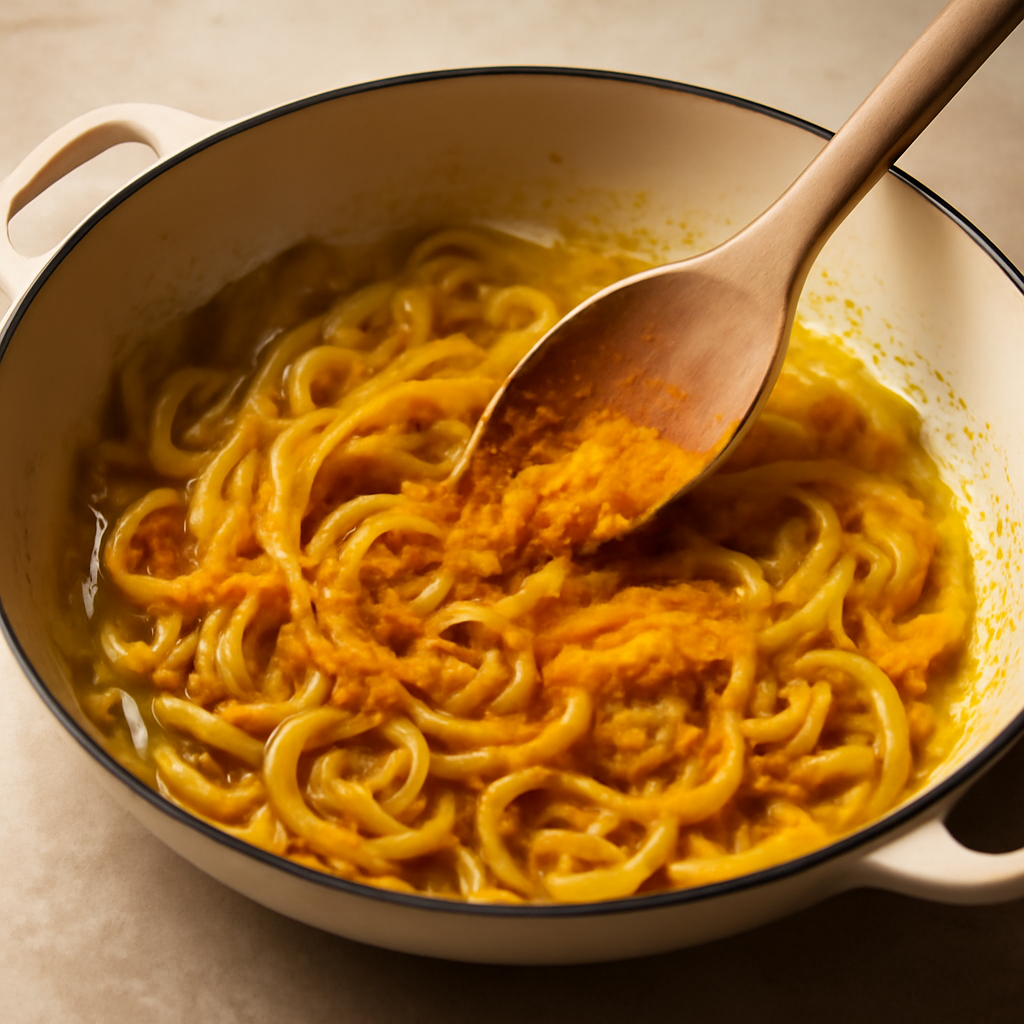
Add the sliced garlic and cook for 1 further minute, stirring constantly. Add the turmeric and cumin directly onto the onion and garlic, stir immediately, and cook for 30 seconds until the spices are fragrant and beginning to stick to the base of the pan slightly. This brief frying of the spices rounds off their raw edge.
-
Drain the potatoes and add them to the pan, cut side down where possible. Stir to coat them in the spiced onion mixture.
-
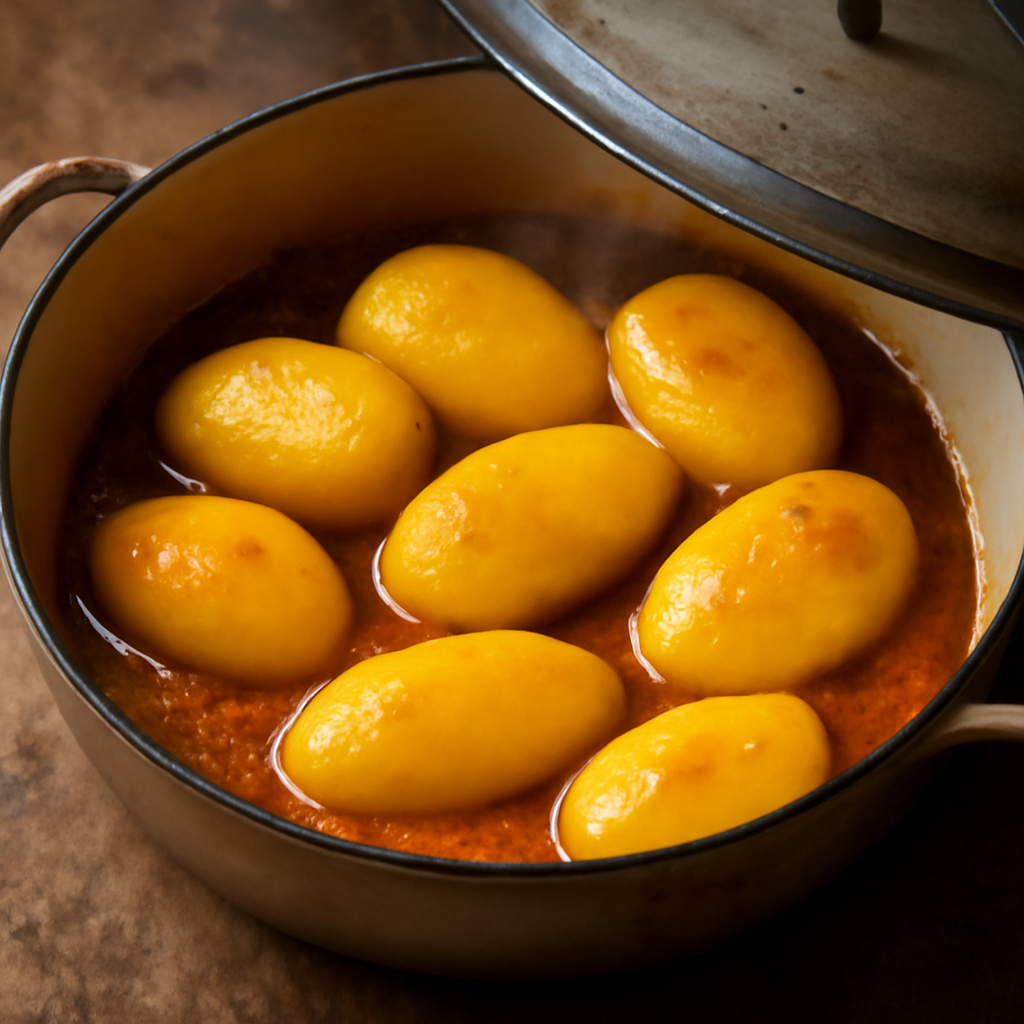
Pour over the saffron water , scrape out every last thread from the bowl , then add the stock. Season with the remaining salt and the black pepper. The liquid should come about halfway up the potatoes; they should not be submerged.
-
Bring to a gentle boil, then reduce the heat to a low simmer. Cover with a lid left slightly ajar. Cook for 20 to 25 minutes, turning the potatoes once at the halfway point. They are ready when a knife passes through the thickest piece with no resistance and the cooking liquid has reduced to a thin, glossy sauce that coats the potatoes. If the liquid is still watery at this point, remove the lid and increase the heat for 3 to 4 minutes to reduce it down.
-
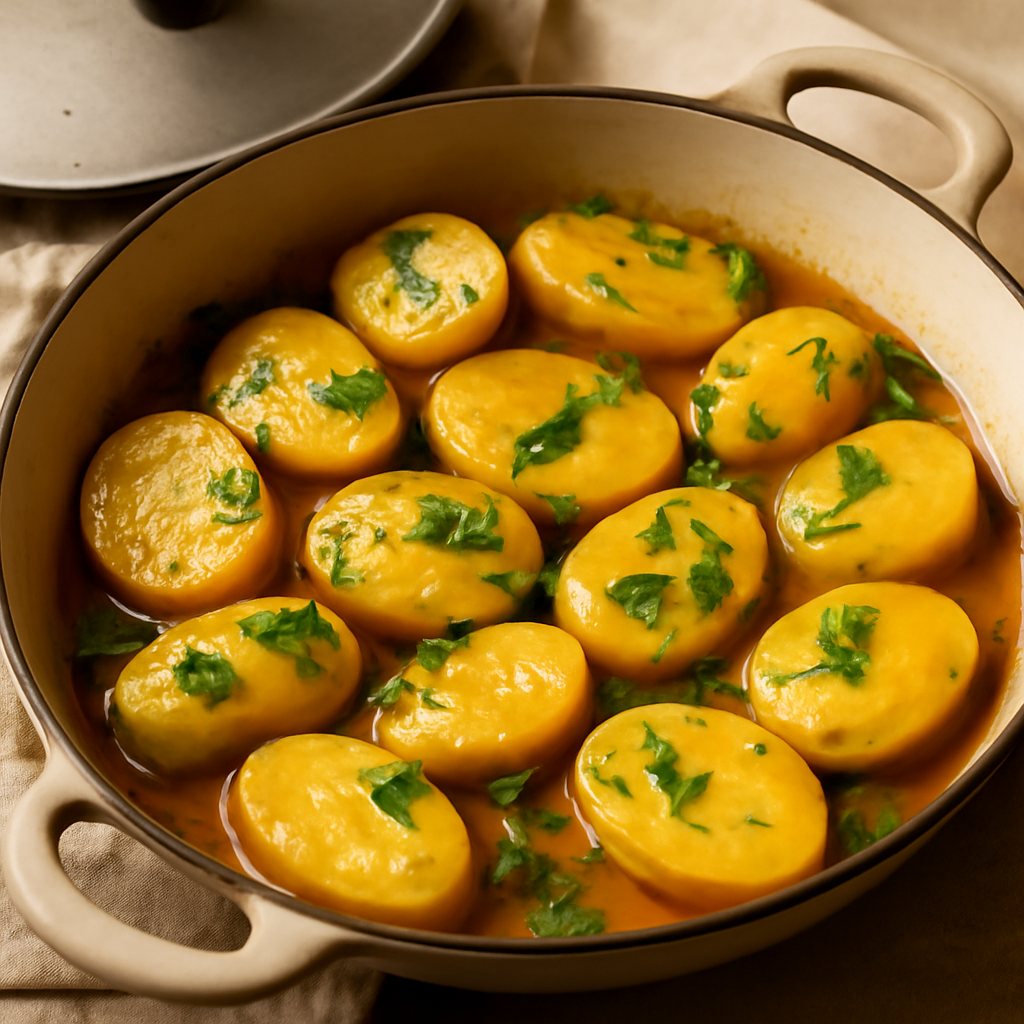
Remove from the heat. Add the butter and allow it to melt into the sauce without stirring vigorously; just tilt the pan gently once or twice. Scatter over the torn parsley. Taste and adjust the salt. Serve directly from the pan.
Irish Context
Saffron arrived in Ireland through trade routes and had a presence in Irish cooking long before it became associated with more distant cuisines. It was used sparingly, as it always is, which is exactly what suits it here.
The potato needs very little interference to be good , what saffron offers is a shift in colour and a low, slightly honeyed bitterness that changes what the potato seems to be without changing what it actually is. This is a side dish that sits well alongside a piece of roasted fish or a simple chicken, but it is also substantial enough to be eaten on its own with some good bread to mop up the sauce.
Tips
Saffron quality varies enormously. Threads should be deep crimson with orange tips, not uniformly pale.
Blooming in hot water before adding is non-negotiable , adding dry threads directly to the pan gives an uneven, unpredictable result. Waxy potatoes hold their shape through the cooking process and absorb the saffron liquid without turning to mash.
Floury varieties like Kerr's Pink will begin to break apart, and while the flavour will be similar, the texture becomes muddier and less appealing. If the potatoes are sticking to the base when you go to turn them, leave them alone for another minute or two.
They will release when they are ready. Forcing them tears the flesh and breaks up the cut surface.
This dish keeps well. Leftovers reheated gently in a covered pan with a splash of water the next day are arguably better than the first serving , the saffron continues to work into the potato overnight.

Author Commentary