
 AI
AI
 AI
AI
 AI
AI
Ingredients
Method
-
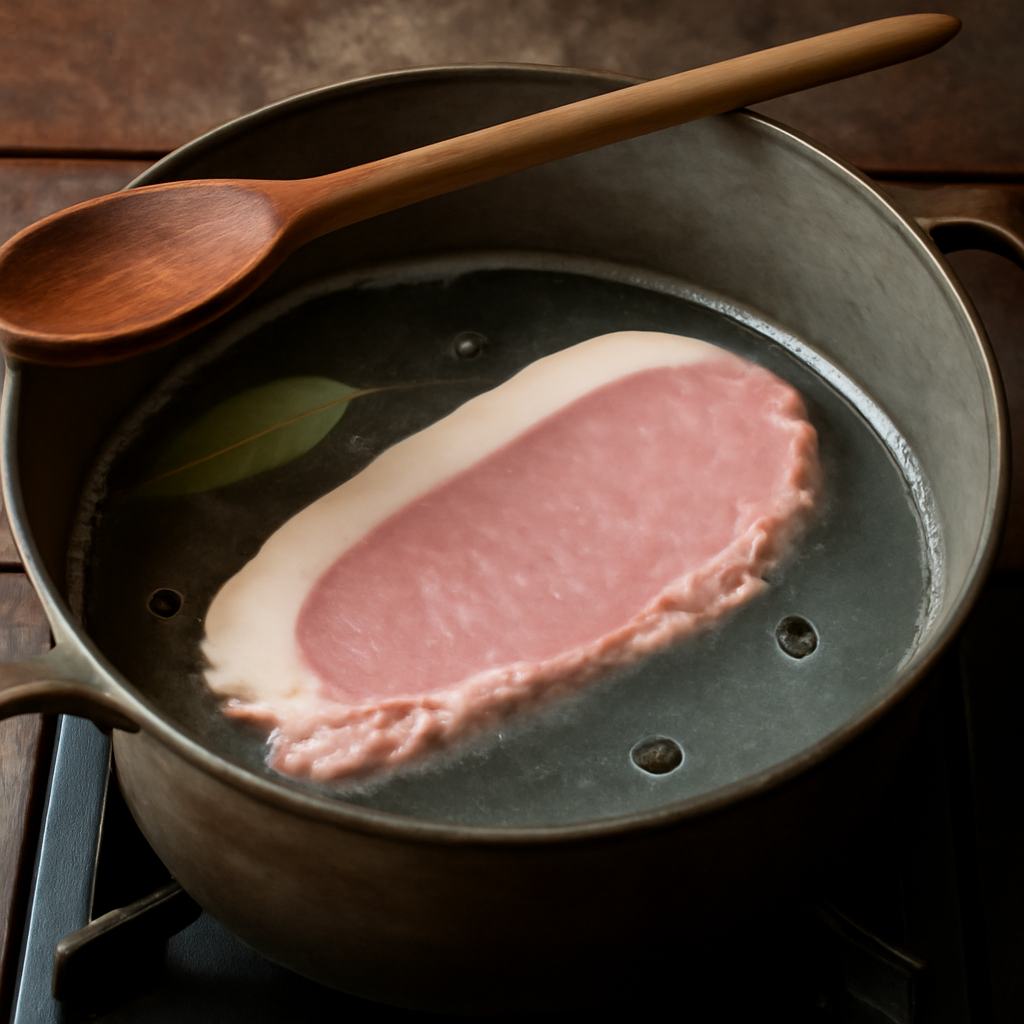
Place the bacon piece in a large, heavy-based pot. Cover with the 1.2 litres of cold water. Bring to the boil over high heat, then immediately reduce to a steady simmer. Add the bay leaf and peppercorns. Simmer uncovered for 20 minutes. Skim off any grey foam that rises in the first 5 minutes.
-
Lift the bacon out onto a board. Reserve all the cooking liquid. When the bacon is cool enough to handle, remove and discard the rind. Cut the meat into roughly 2cm cubes. The bacon will still be undercooked at this stage; that is correct.
-
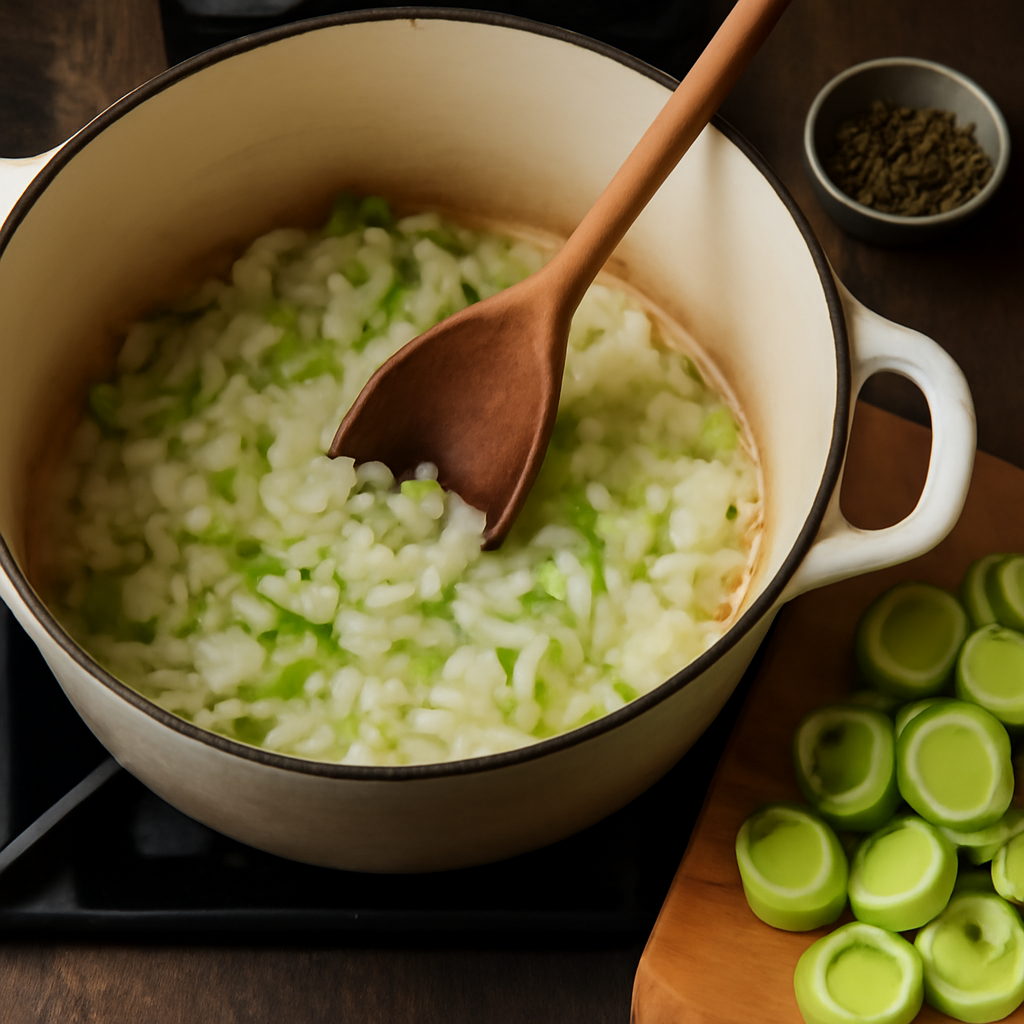
Melt the butter in the same pot over medium heat. Add the onion and celery. Cook for 6 to 7 minutes, stirring occasionally, until the onion is soft and beginning to turn translucent at the edges. Do not let it colour.
-
Add the leeks and the dried thyme. Stir and cook for a further 3 minutes until the leeks have wilted slightly.
-
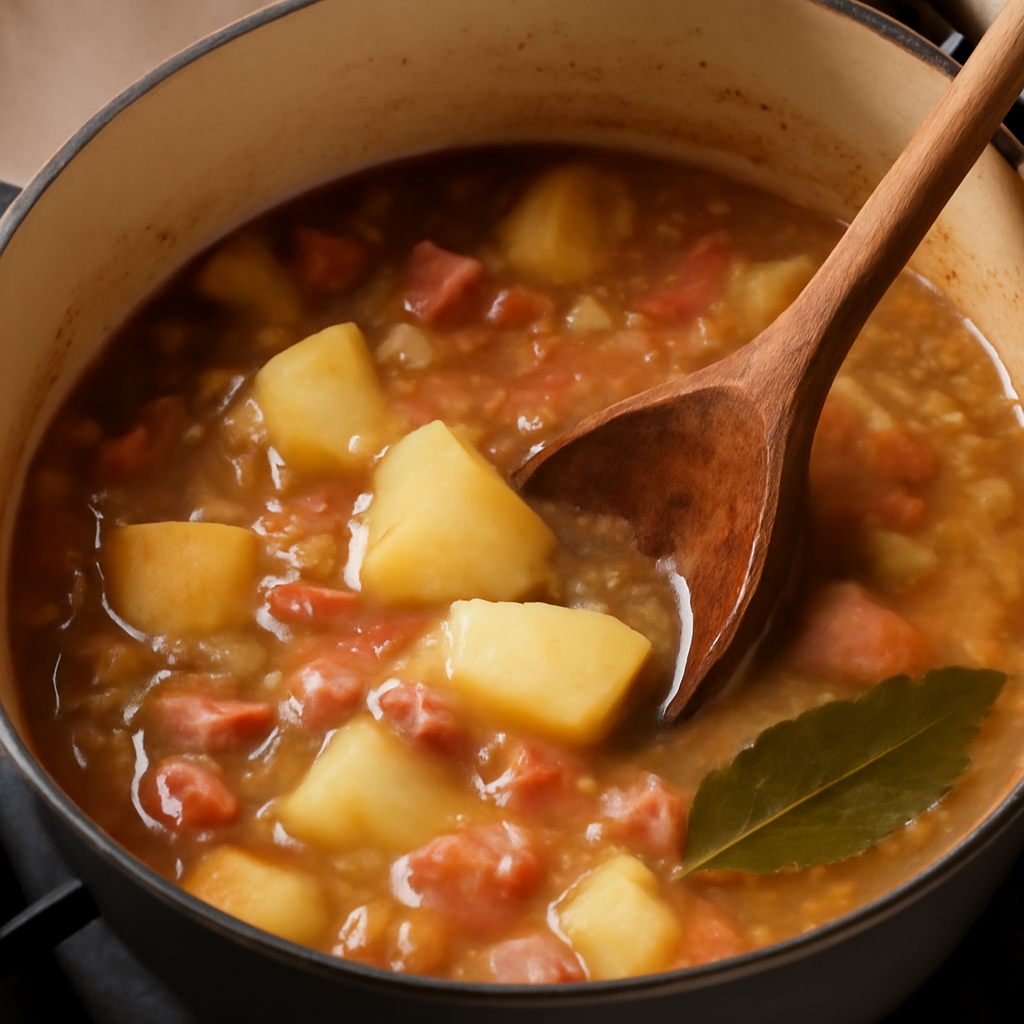
Return the reserved bacon cooking liquid to the pot. Bring to a gentle simmer. Add the potato chunks and the cubed bacon. The liquid should just cover everything; if it does not, add a splash more water.
-
Simmer uncovered at 90 to 95 degrees Celsius for 25 minutes. After 20 minutes, press a few of the potato pieces against the side of the pot with the back of a spoon. They should crush easily. This is what thickens the broth. If they resist, give them another 5 minutes.
-
Pour in the milk. Stir through and bring back up to a gentle simmer for 3 minutes. Do not boil hard at this point or the milk will split and leave grey streaks through the broth.
-
Taste. The bacon will have already salted the broth considerably. Add salt only if it genuinely needs it. Remove the bay leaf.
-
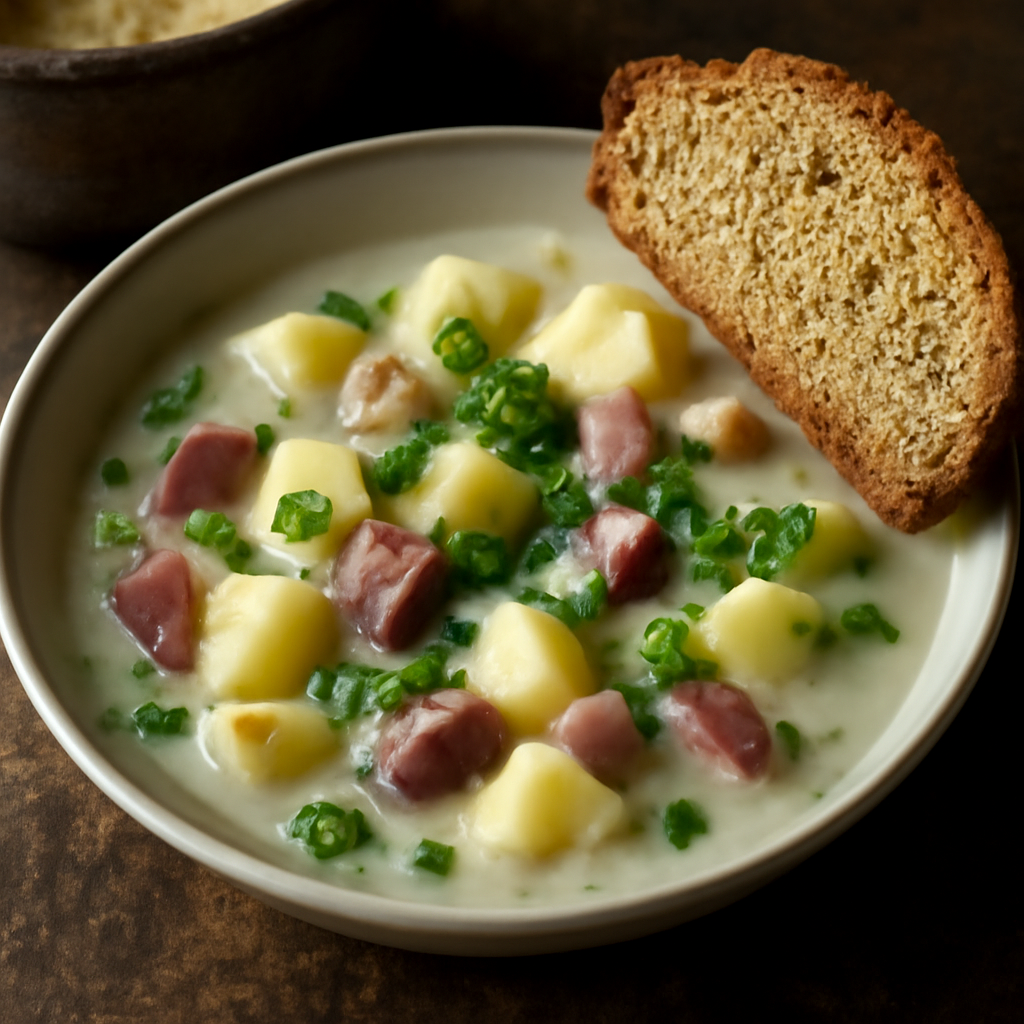
Scatter the parsley over the pot just before serving. Ladle into wide, deep bowls. Serve with soda bread or a thick slice of batch loaf.
Irish Context
Shebeens were unlicensed drinking spots found in rural Ireland, typically in private homes or outhouses, operating outside the reach of official licensing. They were places where people gathered, drank poitin or porter, and ate whatever was going.
The food was never written down because it was not thought of as a recipe, just supper made from what the household had. A piece of bacon and a pot of potatoes were almost always available.
This dish draws on that practical tradition: one pot, inexpensive cuts, nothing wasted, the cooking liquid becoming the broth.
Tips
Floury potato varieties are non-negotiable here. Waxy potatoes like Charlotte will hold their shape and the broth will stay thin.
You want some of the potato to dissolve. If you can get the bacon as a single piece rather than pre-sliced rashers, do it.
The flavour that comes off a whole piece during that first simmer is noticeably better. A bacon hock works too, though you will need to strip the meat from the bone afterwards.
This is one of those dishes that genuinely improves overnight. The potato starch that has dissolved into the broth thickens further as it cools, and the bacon flavour deepens.
Reheat slowly over low heat, adding a little water if it has become too thick. If the broth tastes flat before you add the milk, a teaspoon of cider vinegar stirred in will sharpen it without tasting acidic.
Do not skip this if the bacon was mild-cure. The celery is doing background work and should not be identifiable in the finished bowl.
If someone at the table has a celery allergy, leave it out; the dish loses a little depth but nothing structural.

Author Commentary