
 AI
AI
 AI
AI
 AI
AI
Ingredients
Method
-
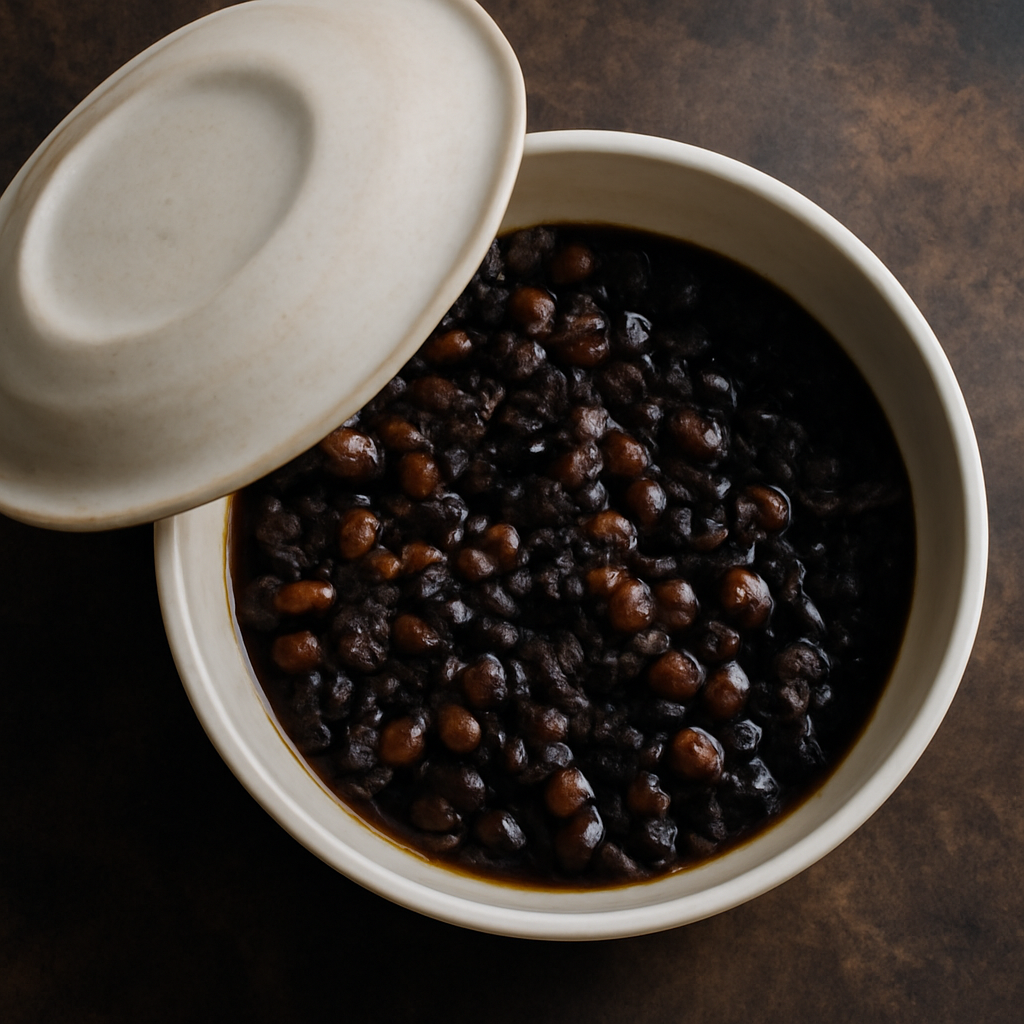
The night before, or at least 4 hours ahead, combine the sultanas, raisins, and currants in a bowl. Pour over the stout, cover with a plate, and leave to soak at room temperature. The fruit will absorb most of the liquid and swell considerably. Do not rush this step; fruit soaked for less than 4 hours will sit separate from the batter rather than integrating into it.
-
When ready to bake, preheat the oven to 160 degrees Celsius, fan 140 degrees Celsius. Grease a 20cm round deep cake tin thoroughly with butter and line the base and sides with baking parchment, bringing the parchment at least 3cm above the rim of the tin.
-
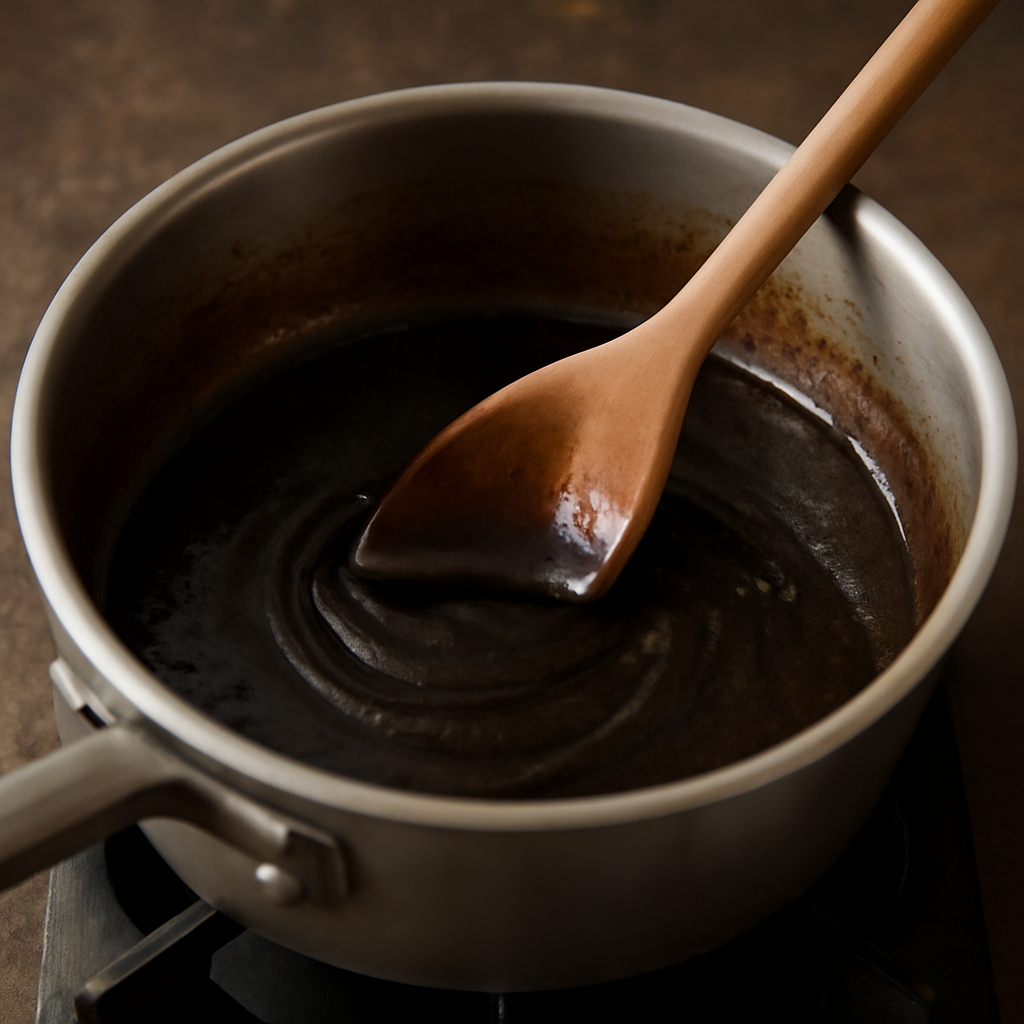
Melt the butter in a medium saucepan over a low heat. Add the muscovado sugar and black treacle, stirring until both are fully dissolved into the butter. Remove from the heat and allow to cool for 10 minutes. If you add the eggs while the mixture is still hot, they will scramble at the edges of the pan.
-
Stir the beaten eggs into the cooled butter mixture. Add the soaked fruit along with any remaining stout in the bowl. Mix well.
-
Sift the flour, baking powder, mixed spice, cinnamon, cloves, and salt into a large bowl. Make a well in the centre and pour in the wet mixture. Add the orange and lemon zest. Fold together with a spatula until no dry flour remains visible. The batter will be very thick and dark, closer in consistency to a stiff porridge than a typical cake batter. That is correct.
-
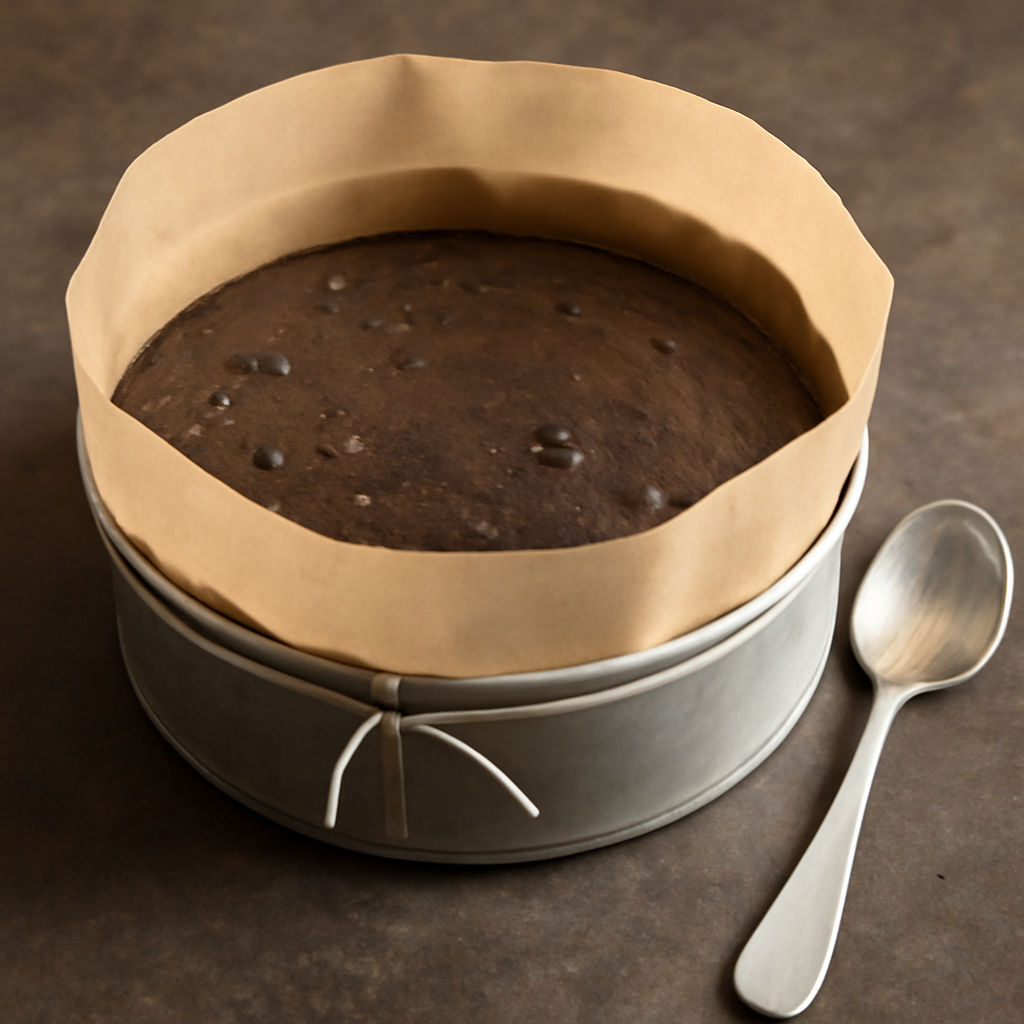
Spoon the batter into the prepared tin and level the surface with the back of a wet spoon. Cover the top loosely with a double layer of baking parchment, securing it around the tin with kitchen string or a rubber band. This cover prevents the top from cracking and helps the pudding retain moisture during the long bake.
-
Place the tin on the middle shelf of the oven. Bake for 2 hours without opening the oven door for the first 90 minutes. At the 2-hour mark, insert a skewer into the centre. It should come out with just a few moist crumbs, not wet batter. If the skewer is wet, return the tin to the oven for a further 15 minutes and test again.
-
Remove the tin from the oven and leave the pudding to cool completely in the tin, still covered, before turning out. This can take 2 to 3 hours. Cutting into it while warm will cause it to crumble. The ciste firms as it cools and the flavours settle and deepen overnight.
Irish Context
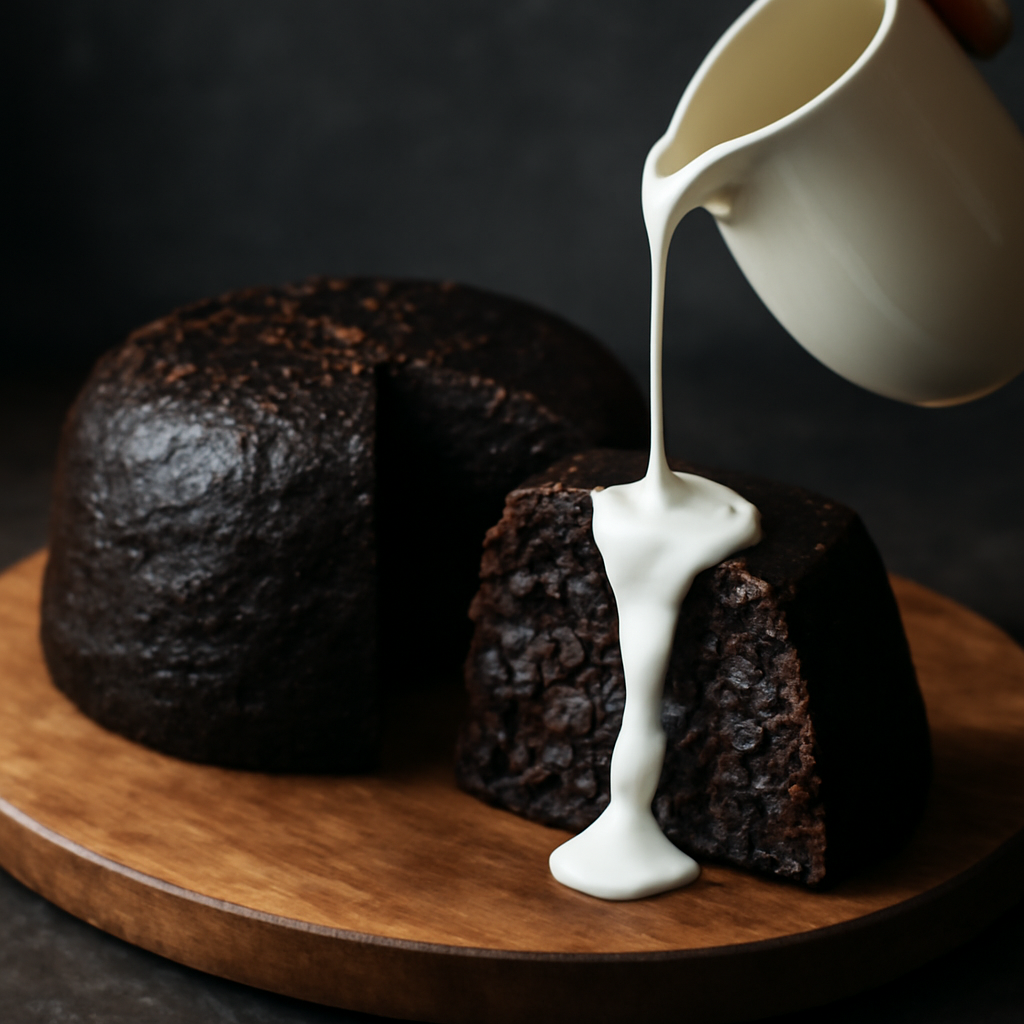
Ciste (pronounced kish-teh) is the Irish word for a cake or chest, and steamed or slow-baked fruit cakes built on dried fruit, dark sugar, and spice have long been staples of Irish baking. The inclusion of stout in baking is well established in Ireland; the bitterness and dark malt of a good Irish stout cuts the sweetness of dried fruit and treacle in a way that no other liquid quite replicates.
This recipe does not pretend to be a historical document. It is simply what happens when you take those known affinities and commit to them fully in a single tin.
Tips
If you cannot source dark muscovado sugar, light muscovado will work but the result will be noticeably lighter in colour and less bitter at the edges. The orange and lemon zest is not optional.
Without it the fruit sweetness dominates and the whole thing becomes one-dimensional. This ciste keeps well.
Wrapped in parchment and stored in an airtight tin at room temperature, it improves over 3 to 4 days as the moisture redistributes through the crumb. For a slightly looser texture, reduce the flour by 20g.
This is worth doing in summer when the kitchen is warmer and the fruit tends to be drier. Serve in slices no thinner than 2cm.
Anything thinner and the slice tears rather than cuts cleanly. A serrated knife at room temperature gives the cleanest result.

Author Commentary