
 AI
AI
 AI
AI
 AI
AI
Ingredients
Method
-
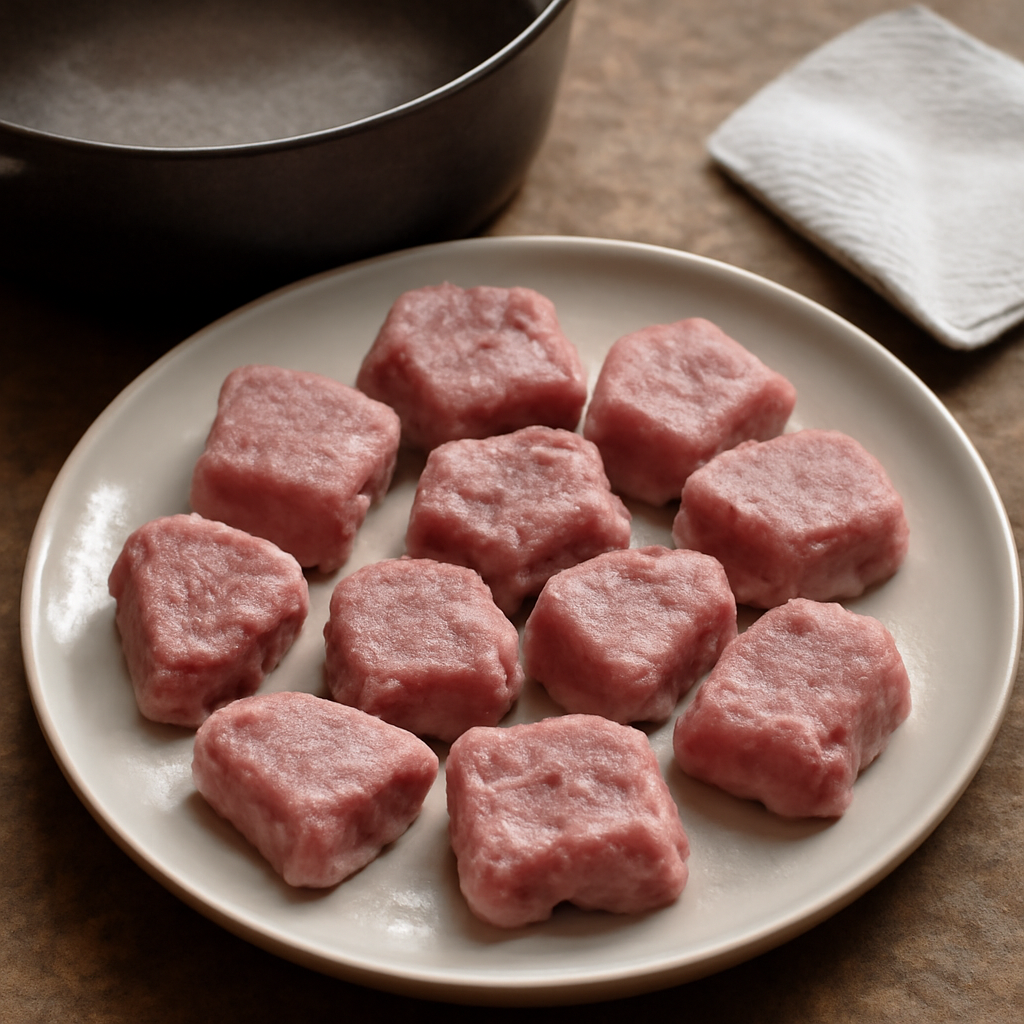
Pat the veal pieces dry with kitchen paper. Season all surfaces with the fine sea salt and leave uncovered at room temperature for 20 minutes. This is not optional; wet meat steams rather than colours and you lose the fond that gives the broth its backbone.
-
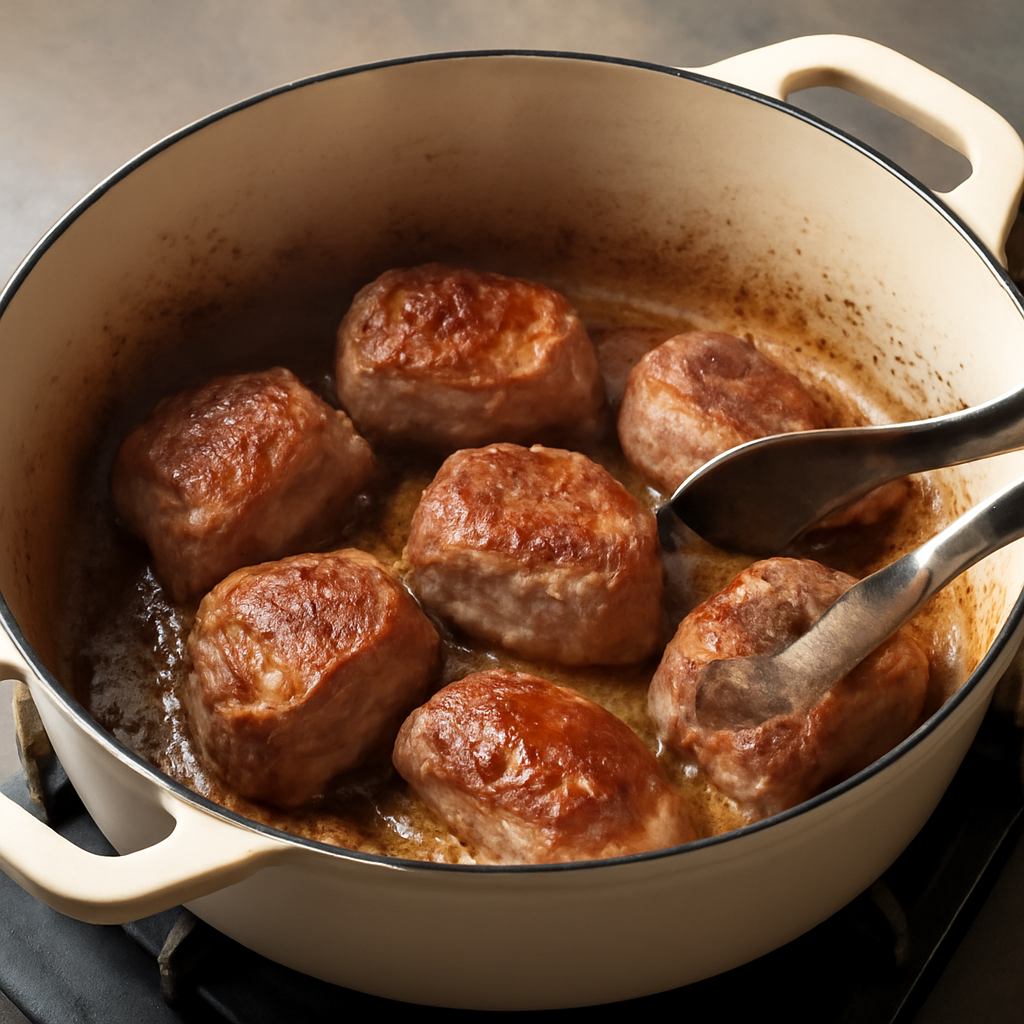
Set a wide, heavy-based pot or casserole over a medium-high heat. Add the oil and, once shimmering, add the butter. Brown the veal in two batches, turning each piece with tongs so you get good colour on at least three sides. Aim for a deep golden-brown, not grey. Each batch should take 6 to 8 minutes. Transfer browned pieces to a plate.
-
Reduce the heat to medium. Add the diced onion and celery to the fat left in the pot. Cook for 5 minutes, scraping up any stuck bits from the base. Add the crushed garlic and cook for 1 further minute until it softens slightly and smells sweet rather than raw.
-
Pour in the white wine. Let it bubble hard for 2 minutes to cook off the sharpness, scraping the base of the pot as it does. The liquid will reduce by about half.
-
Return the veal to the pot. Add the cold water, bay leaves, peppercorns, thyme, and parsley sprigs. Bring to a bare simmer over medium heat. Skim off any grey foam that rises in the first 10 minutes using a ladle. Once the surface is relatively clear, reduce the heat to low so the liquid barely moves. Cover with a lid left slightly ajar.
-
After 45 minutes of gentle simmering, add the rinsed pearl barley. Stir to distribute it evenly. Put the lid back on, still slightly ajar, and continue to cook at the same low simmer.
-
After a further 30 minutes, add the carrot and leek. The barley should have swollen visibly and absorbed a good portion of the liquid. Stir once, taste the broth, and adjust salt at this point.
-
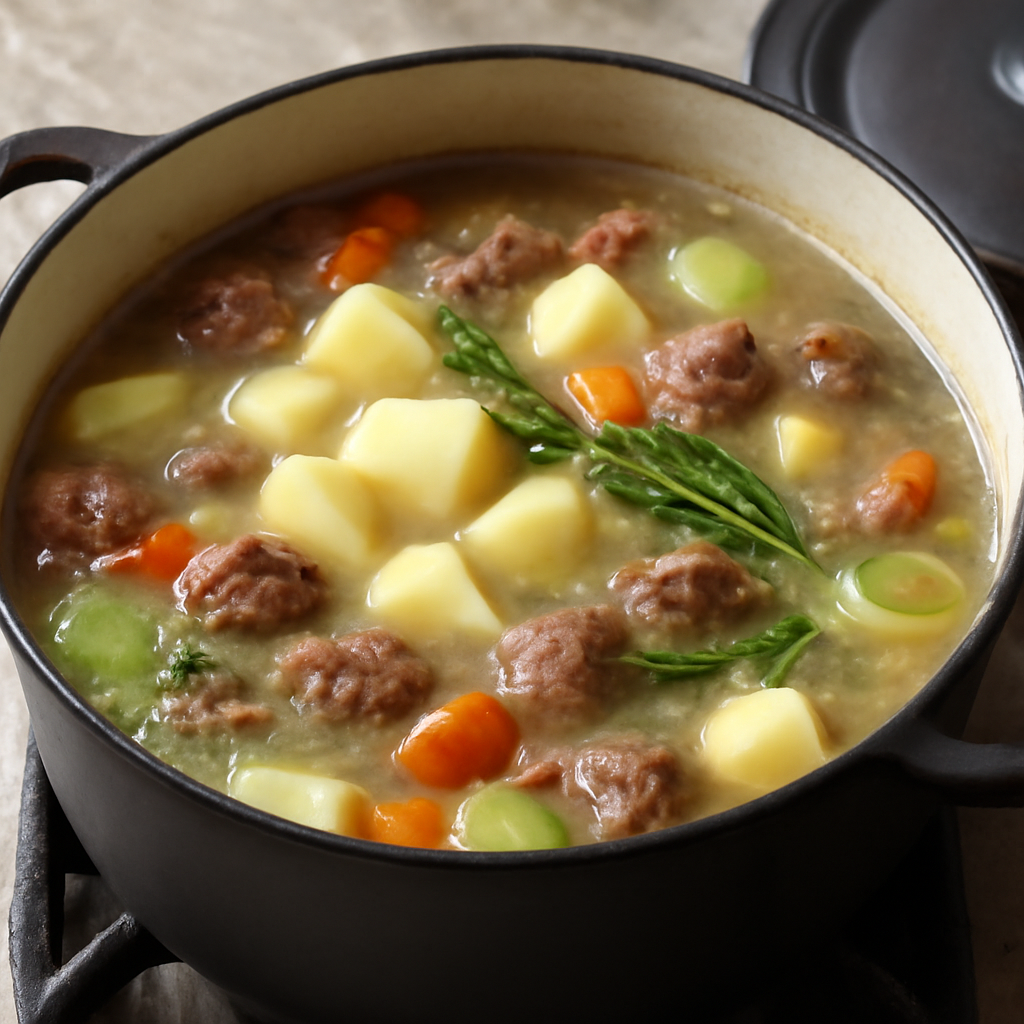
After another 20 minutes, add the potato chunks. Press them gently under the surface. The potatoes need to be submerged or they will cook unevenly, with some pieces chalky in the centre. Cook uncovered now so the broth can reduce slightly and the potato starch can thicken it. This should take 25 to 30 minutes at a gentle blip.
-
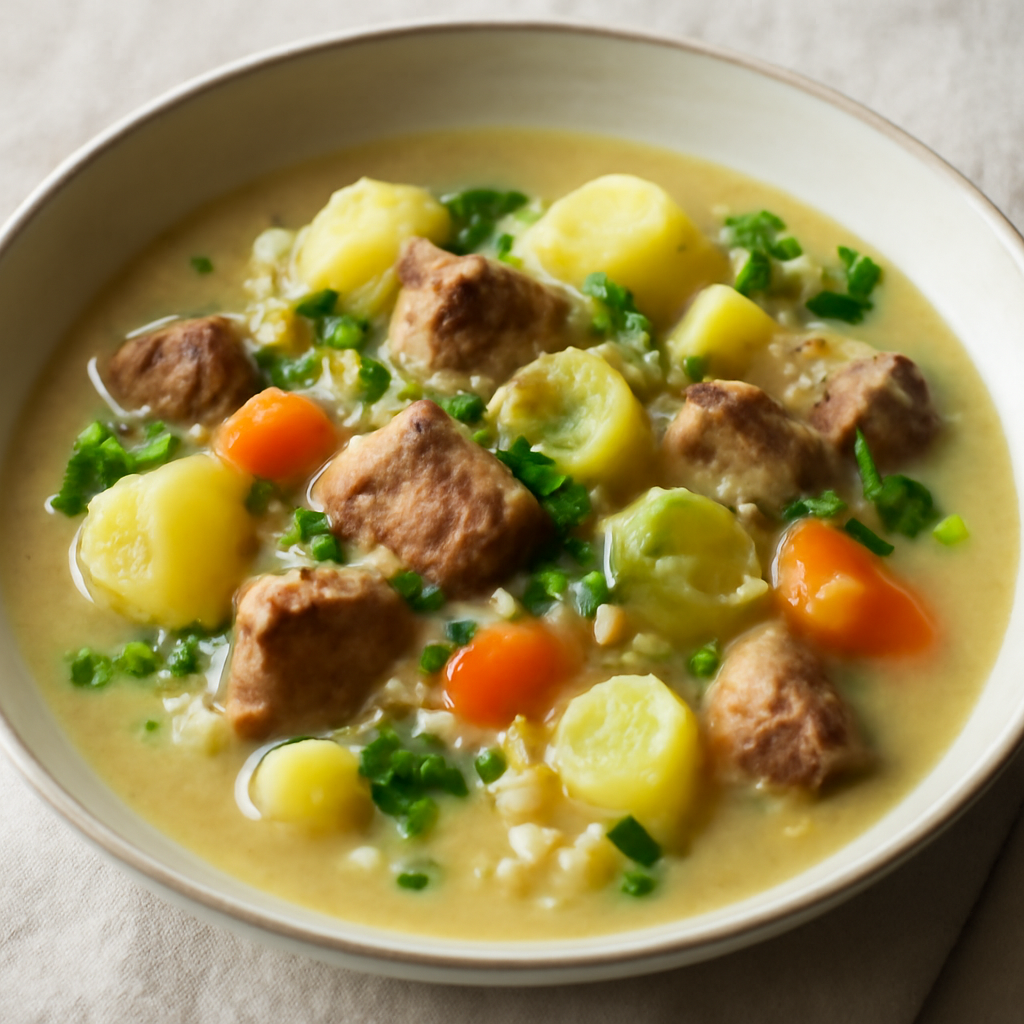
When a sharp knife slides through both the potato and a piece of veal without resistance, the coddle is ready. The barley should be tender and slightly swollen but not burst into mush. The broth should be pale, cloudy, and just thick enough to coat the back of a spoon.
-
Remove the pot from the heat. Fish out the bay leaves, thyme stems, and parsley sprigs. Stir in the Dijon mustard and apple cider vinegar. Taste again. The vinegar lifts everything and stops the broth from tasting flat; start with the full tablespoon and add more only if you feel it needs it.
-
Ladle into wide, shallow bowls. Make sure each serving gets a piece or two of veal, a scatter of barley, and a few potato chunks. Finish with torn flat-leaf parsley leaves dropped over the top.
Irish Context
Dublin coddle is typically a stovetop braise of pork sausages and back rashers with potato and onion, cooked in water with very little else added. This version keeps the structure of that dish, the single pot, the starchy thickening from potatoes, the pale broth, the absence of tomato or heavy spicing, but replaces the pork with veal and adds pearl barley for body.
Veal has been available in Ireland for decades through specialist butchers and some supermarket counters, though it is still underused in home cooking. The combination of barley and pale broth has older roots in Irish cooking than coddle itself, appearing in various forms of white stew and invalid cookery from earlier centuries, none of which require romantic elaboration to justify their presence here.
Tips
Veal collar has a modest amount of connective tissue that dissolves slowly into the broth over the course of the cook, giving it a faint silkiness that shoulder of lamb or chicken never quite achieves in the same way. If your butcher only has shoulder, it works, but ask them to leave some of the fat cap on.
The pot must not boil after the initial skim. A rolling boil will cloud the broth permanently and toughen the veal fibres.
If you can hear it from the next room, it is too hot. If the broth looks thin when you add the potatoes, remove the lid fully for the last 30 minutes.
If it looks too thick before the potatoes go in, add 100ml of hot water from a kettle. Floury potatoes such as Rooster or Kerr's Pink are correct here.
Waxy varieties stay intact but taste starchy and slightly plasticky in this broth. You want the potato edges to begin to soften and fray slightly into the liquid.
Leftovers keep well for two days in the fridge. The barley will continue to absorb liquid overnight, so add a splash of water when reheating and do not let it boil or the potato will fall apart completely.
If you cannot source veal locally, this recipe works with pork shoulder cut to the same size, though the flavour of the broth shifts noticeably and you will need to skim more fat during cooking.

Author Commentary