
 AI
AI
 AI
AI
 AI
AI
 AI
AI
 AI
AI
 AI
AI
Ingredients
Method
-
Preheat your oven to 170°C fan (190°C conventional). Grease a 23cm x 23cm square tin thoroughly with the butter, then line the base with baking parchment. The tin depth matters here; anything shallower than 5cm and the batter will overflow before the apples settle.
-
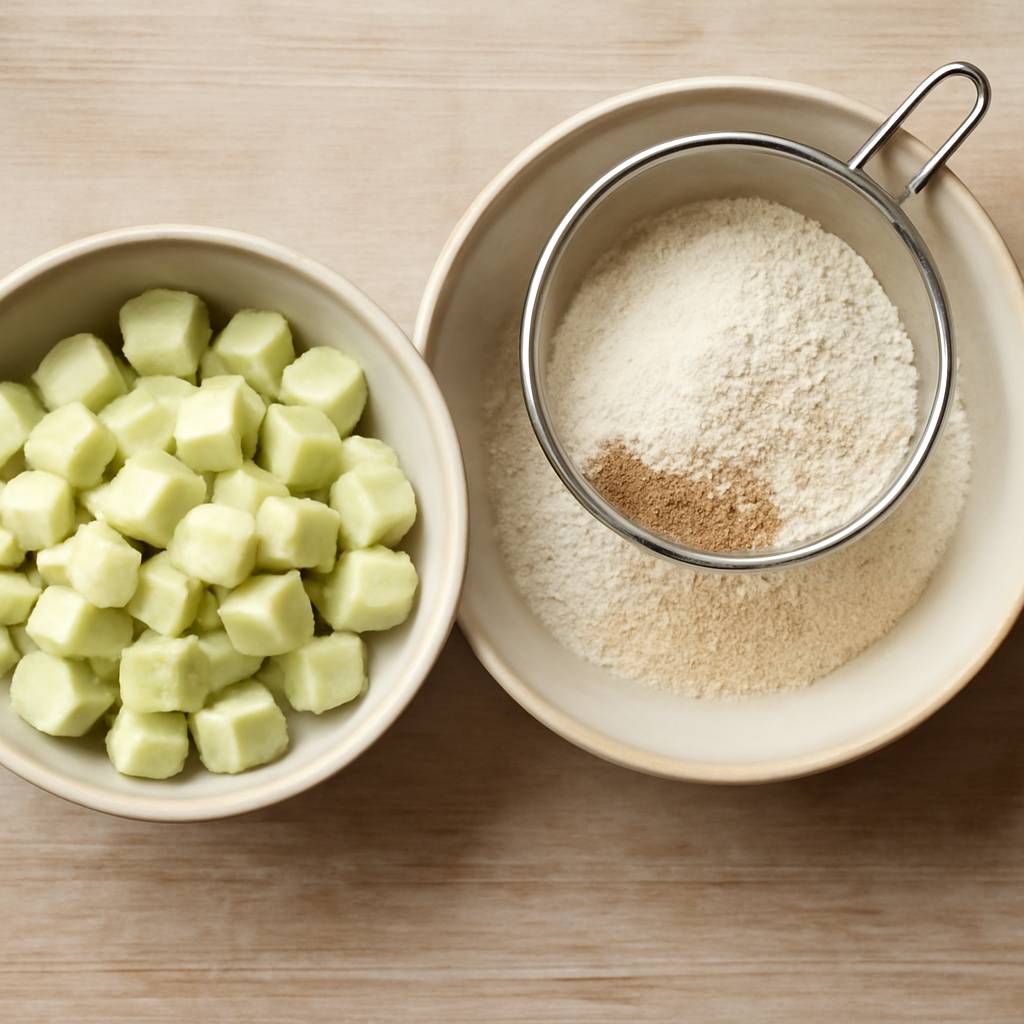
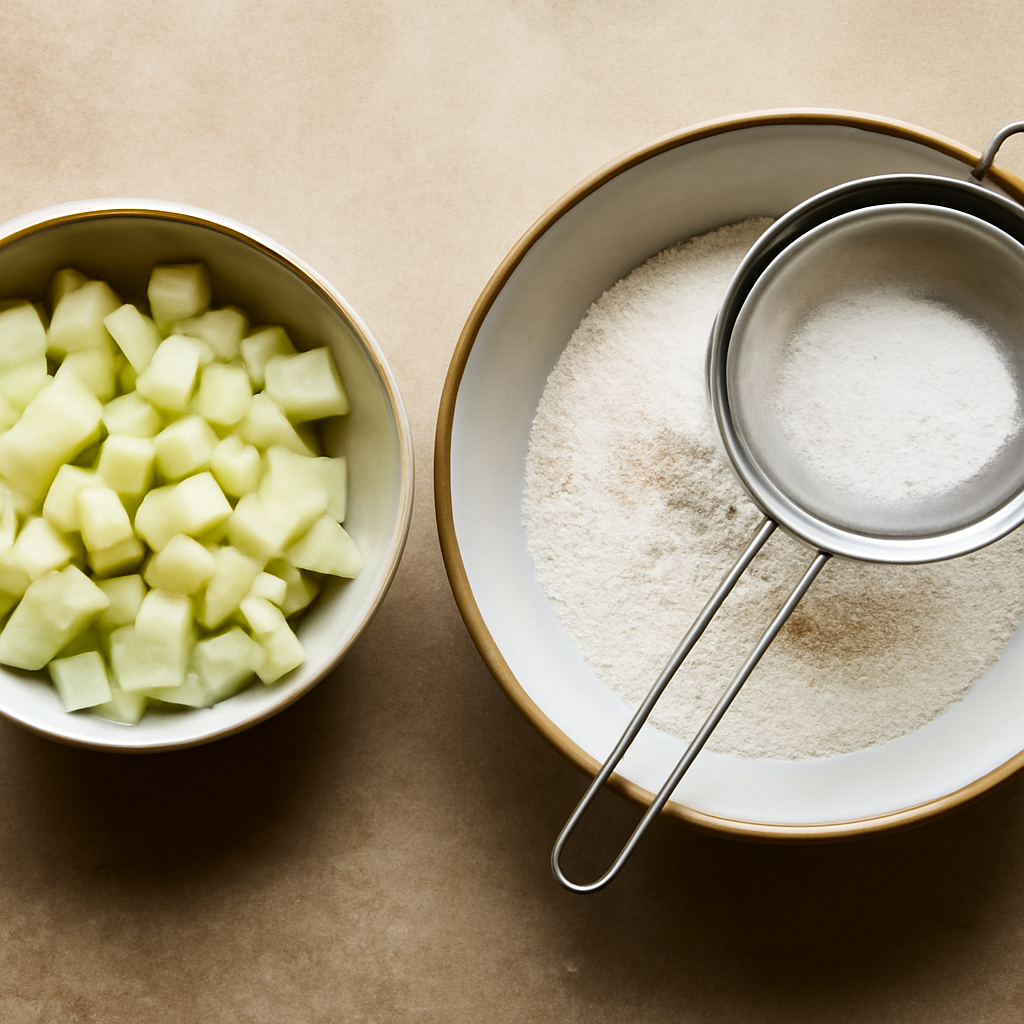
Peel, core, and cube the Bramley apples into roughly 1cm pieces. Do not slice them into thin rounds; they need to hold some texture against the batter and not turn entirely to mush. Set aside in a bowl without salting or soaking them.
-
Sift the plain flour, baking powder, bicarbonate of soda, ground cinnamon, ground cloves, and fine sea salt into a large bowl. Add the caster sugar and whisk briefly to distribute everything evenly.
-
In a separate jug, beat the eggs lightly, then add the sunflower oil, full-fat milk, and vanilla extract. Whisk until the mixture is uniform in colour, about 30 seconds. It will look slightly thin.
-
Pour the wet ingredients into the dry ingredients and fold together with a spatula until just combined. Stop when you can no longer see dry flour. Overmixing at this stage tightens the crumb and the cake will rise unevenly in the centre.
-
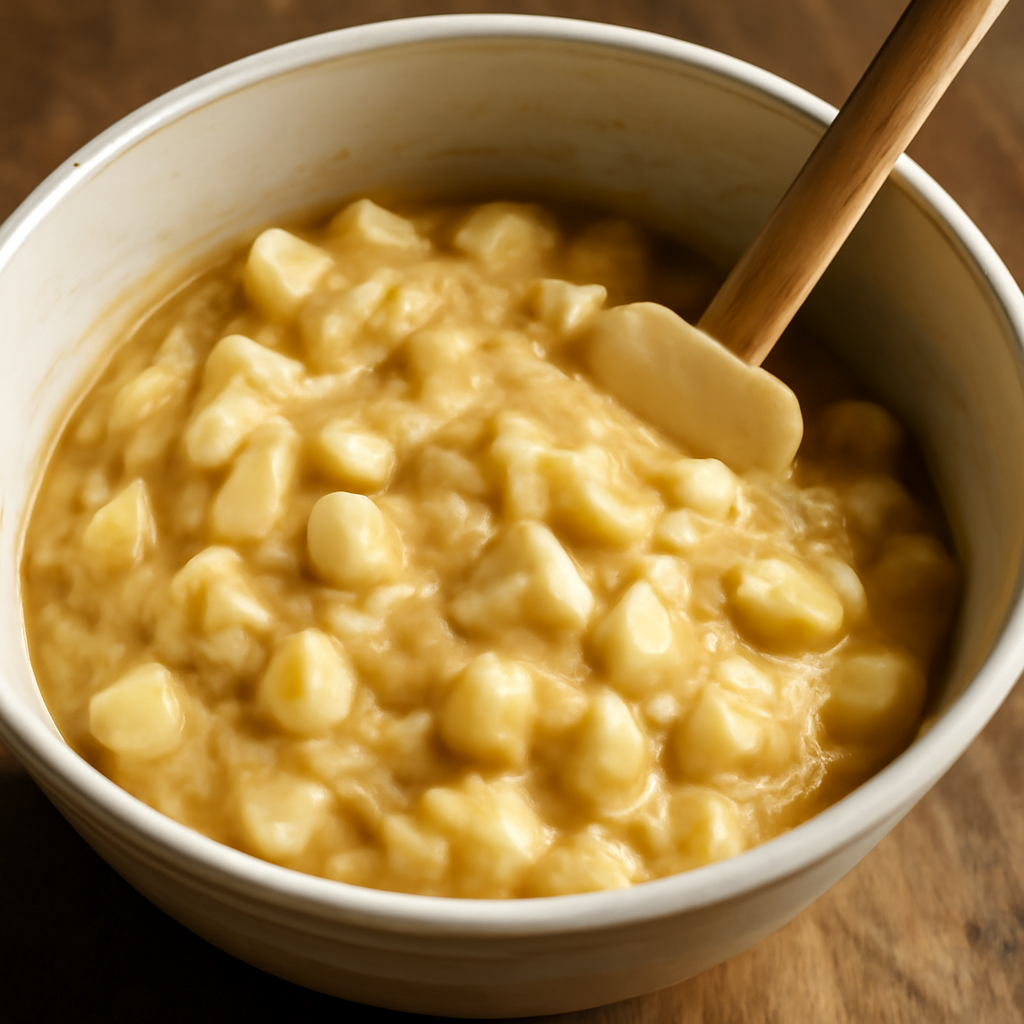
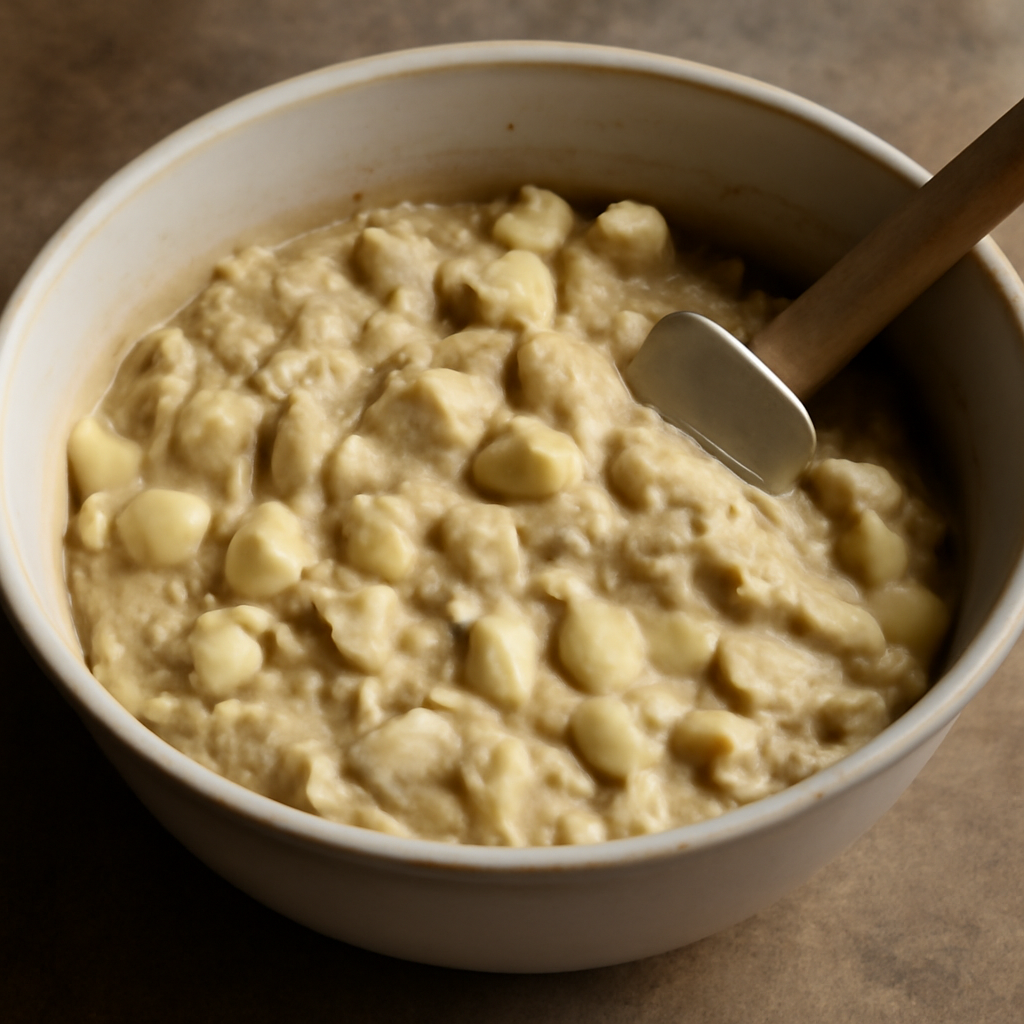
Fold in the apple chunks. The batter will seem overloaded with apple at this point, which is correct. It should be thick and dense rather than pourable, and the apple pieces should be visible throughout.
-
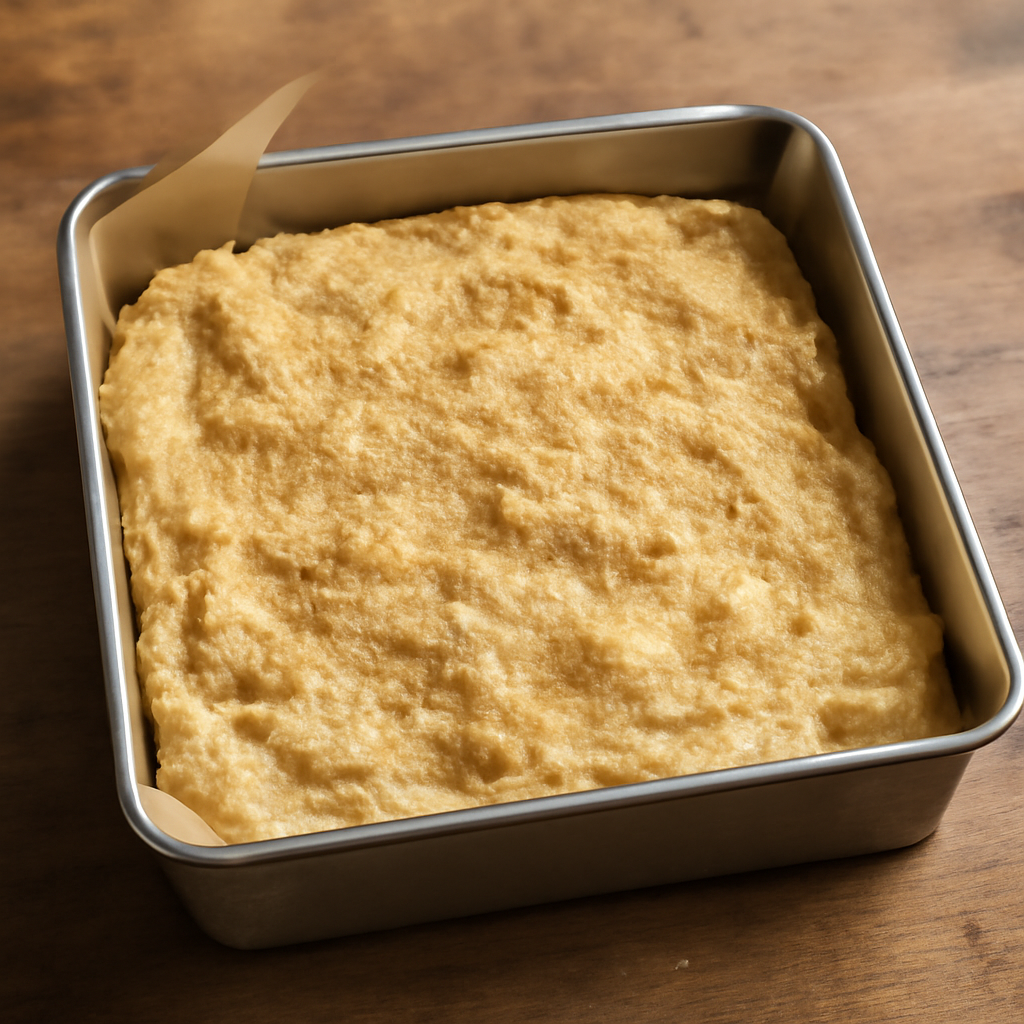
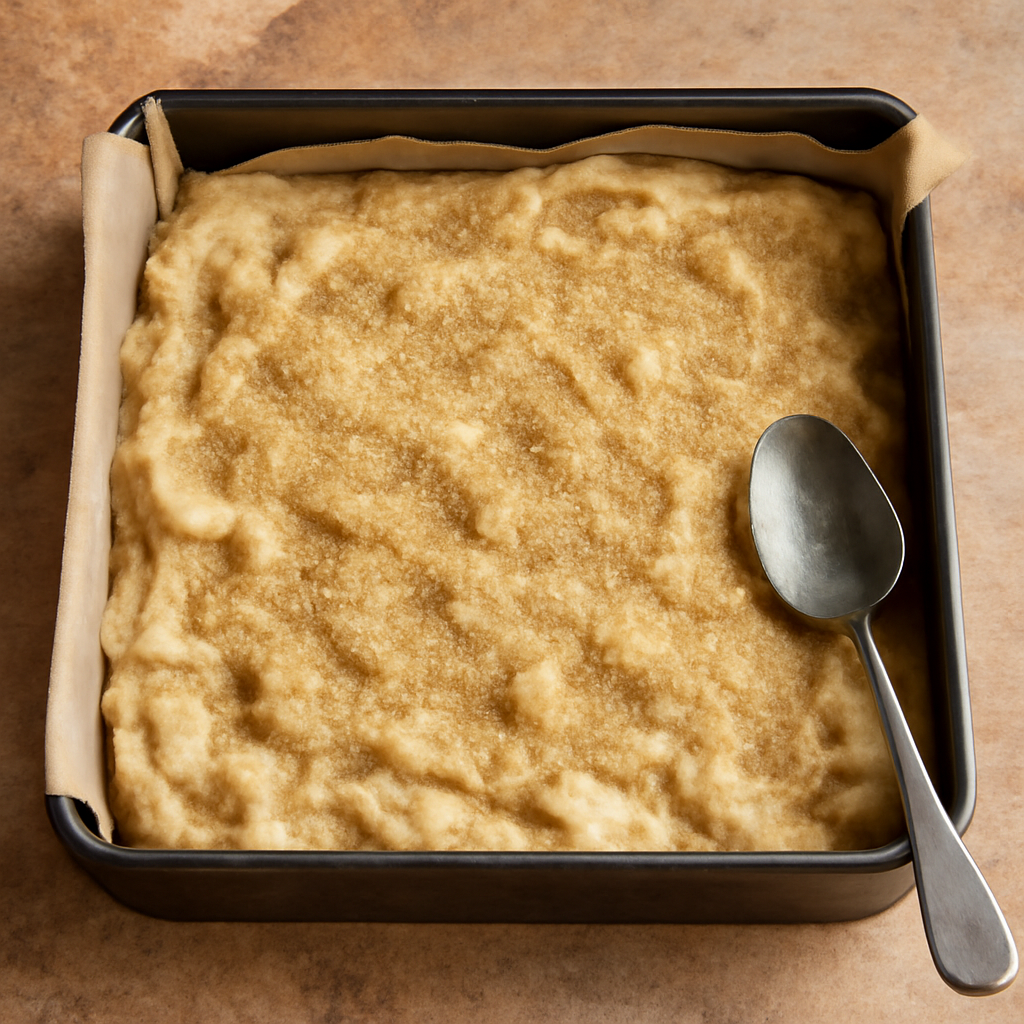
Scrape the batter into the prepared tin and spread it as evenly as you can with the back of a damp spoon. The surface will be rough and uneven because of the apple; that is fine. Scatter the demerara sugar evenly across the top.
-
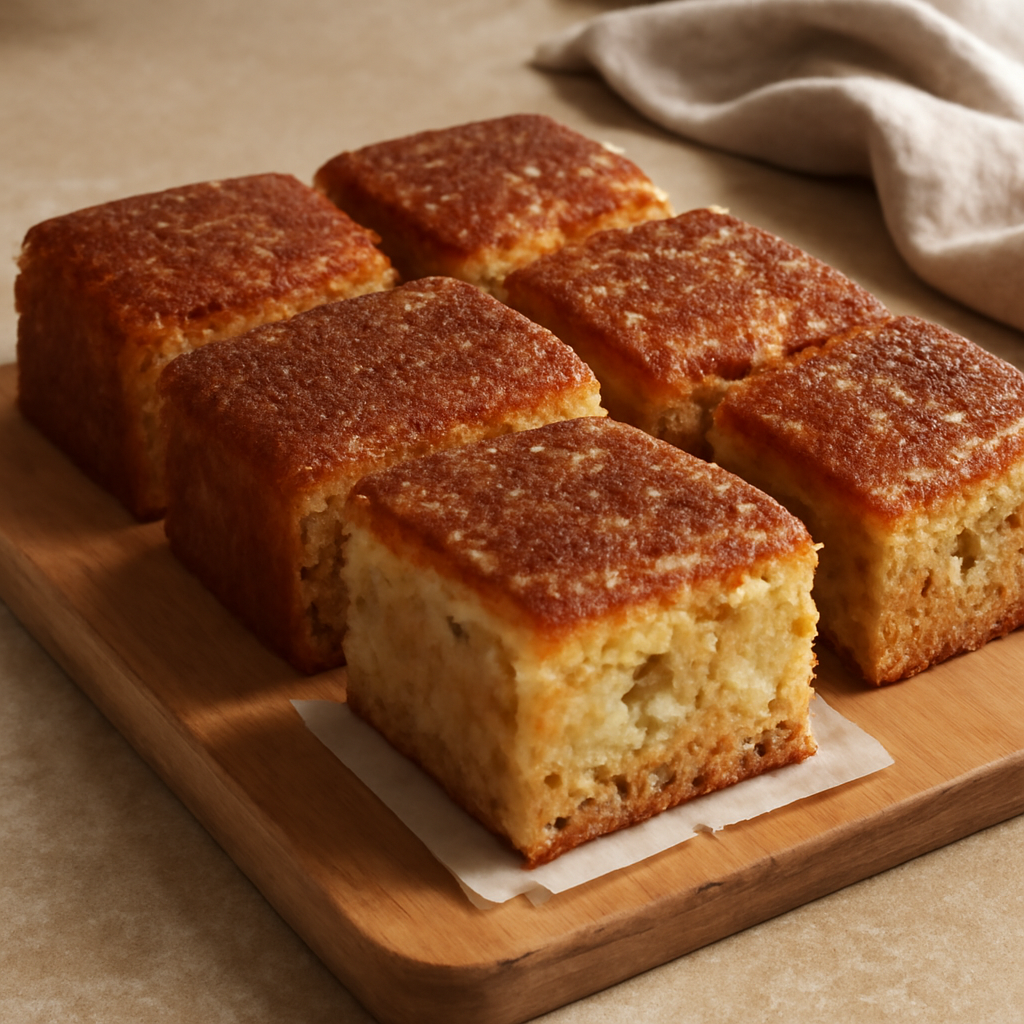
Bake on the middle shelf for 50 to 55 minutes. The cake is done when a skewer inserted into the centre comes out with moist crumbs but no wet batter, the top is deep golden-brown, and the edges have begun to pull away slightly from the tin sides. If the top colours too fast after 35 minutes, lay a sheet of foil loosely over it without pressing down.
-
Leave the cake to cool in the tin for 20 minutes before turning it out. It is fragile while hot because of the moisture in the apple. Once cool enough to handle, transfer to a wire rack and allow to cool fully before cutting. The texture firms up considerably as it cools and the apple layer sets.
Irish Context
Bramley apples have been grown in Irish orchards for well over a century and remain the most widely used cooking apple in the country. They are highly acidic raw and dissolve into a pale, sharp purée when cooked without sugar, which is exactly the property that makes them useful in baked goods.
In this cake they soften without disappearing entirely, and their tartness stops the sponge from reading as too sweet despite the caster sugar in the batter. Most Irish supermarkets stock them from late August through to spring, and they are a fixture at farmers markets during autumn.
Tips
Bramley apples are the only sensible choice here. Eating apples such as Gala or Granny Smith do not break down the same way and leave waxy, slightly sweet pockets that taste out of place.
Bramleys collapse slightly at the edges while keeping a little bite in the centre chunks. The cake keeps well, wrapped in foil, for up to three days at room temperature.
By day two the crumb has absorbed more moisture from the apple and the texture is noticeably softer than on the day of baking. Some people prefer it that way.
If your apples are very juicy, the batter may take the full 55 minutes or a few minutes more. Trust the skewer test over the timer.
This cake does not need cream or custard alongside it, but a spoonful of cold crème fraîche cuts through the sweetness well if you are serving it as a dessert rather than with tea. The demerara crust on top is thin and fragile.
If you press the foil down while shielding the cake from over-browning, you will lose it. Hold the foil just above the surface instead.

Author Commentary