

 AI
AI
 AI
AI
 AI
AI
Ingredients
Method
-
Preheat your oven to 200°C (180°C fan). Set a wide, deep ovenproof dish of roughly 24cm to 26cm diameter to one side.
-
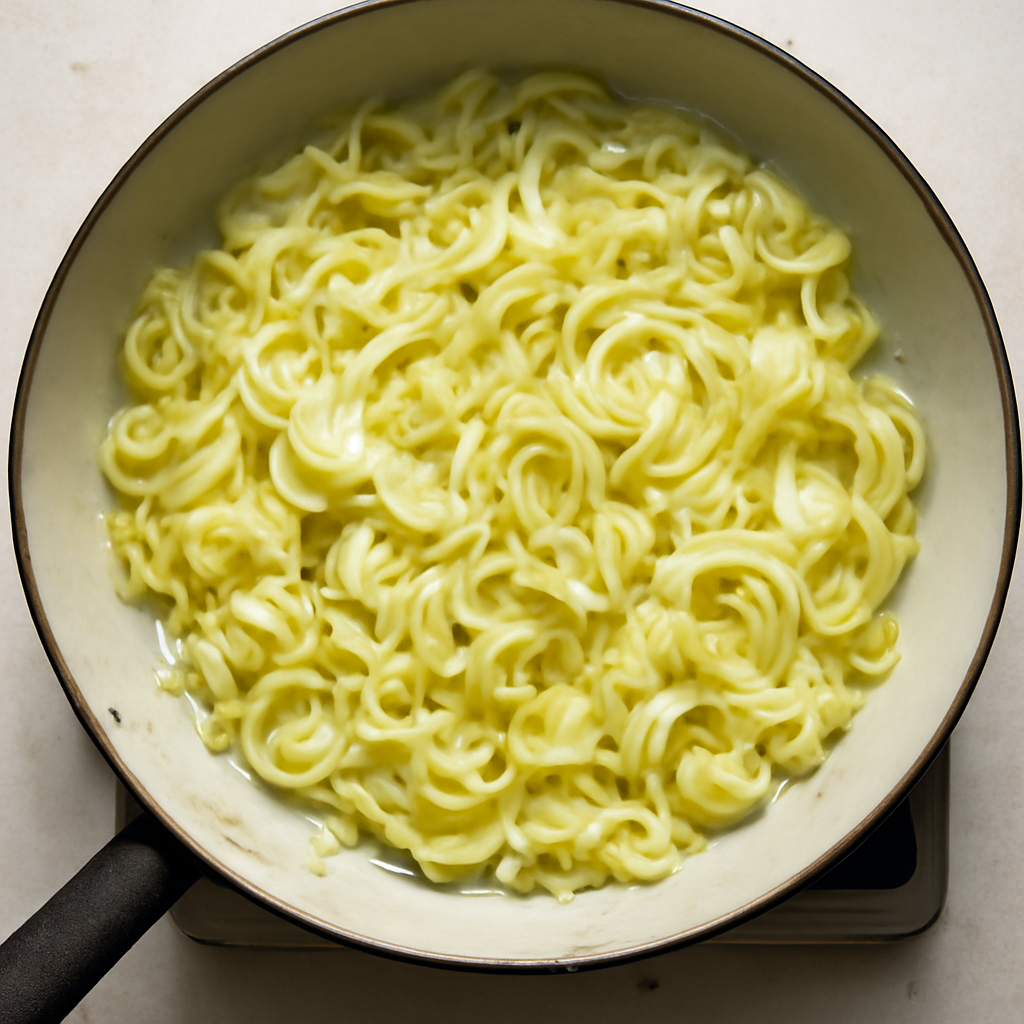
Melt the 30g butter with the rapeseed oil in a wide, heavy-based frying pan over a medium-low heat. Add the leeks and fennel with a pinch of salt and cook gently, stirring occasionally, for 12 to 14 minutes until fully softened and beginning to turn translucent at the edges. Do not let them colour. Add the garlic and cook for a further 2 minutes.
-
Scatter the 30g plain flour over the softened vegetables and stir well so no dry patches remain. Cook for 90 seconds, stirring constantly. The mixture will clump slightly and smell faintly nutty.
-
Pour in the fish stock gradually, about 100ml at a time, stirring to work out any lumps between additions. Once all the stock is in and the sauce is smooth, add the milk and double cream. Raise the heat to medium and stir until the sauce thickens to a consistency that coats a spoon and holds a line drawn through it with your finger. This takes approximately 5 to 6 minutes.
-
Remove the pan from the heat. Stir in the Dijon mustard, lemon juice, lemon zest, chopped dill, and parsley. Season carefully with salt and white pepper. The sauce should taste bright and slightly grassy from the dill, with a mild sharpness from the mustard and lemon. Taste again after seasoning; whiting has a clean, faintly sweet flavour and the sauce should support rather than overpower it.
-
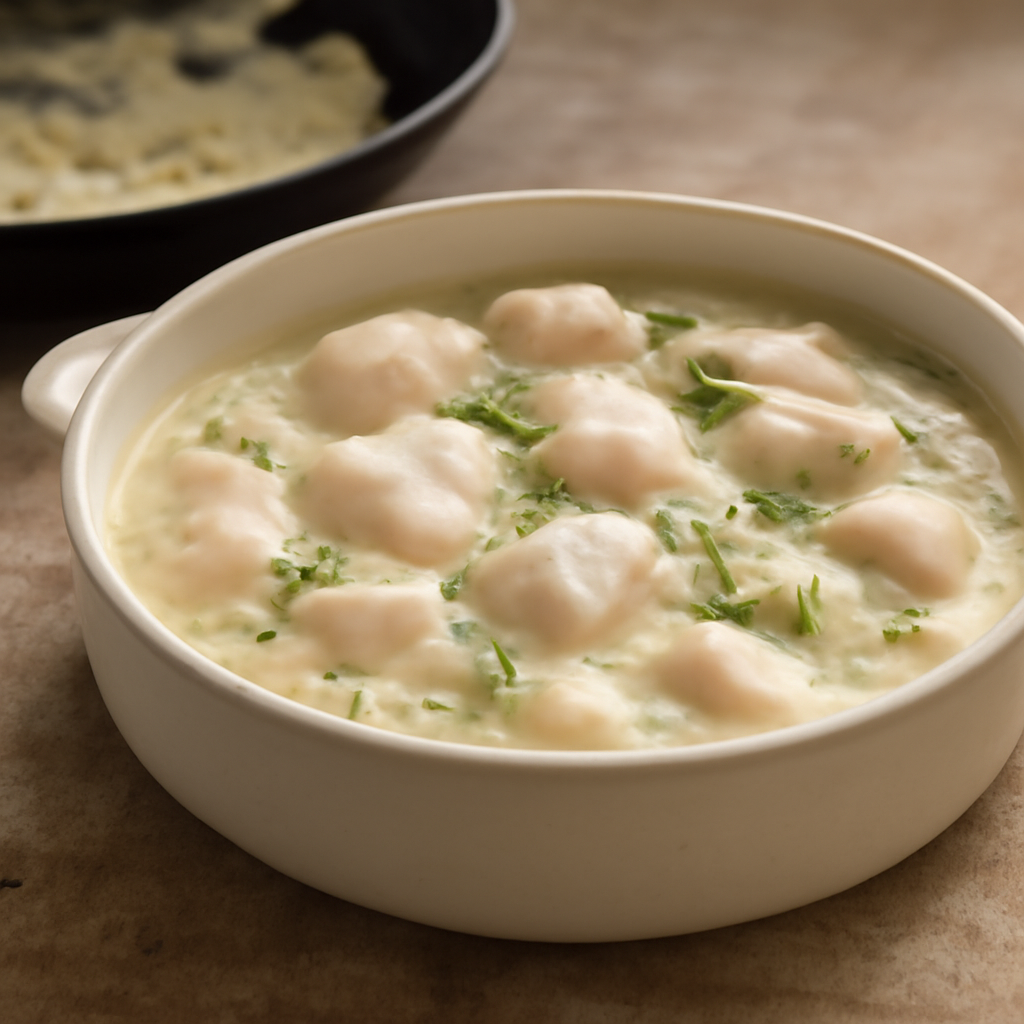
Fold the whiting chunks through the sauce gently. The fish is raw at this point so handle it carefully to keep the pieces whole. Transfer everything to the ovenproof dish, spreading to an even layer. Scatter any reserved fennel fronds over the top.
-
Make the scone crust. Combine the 220g plain flour, baking powder, fine salt, and dried dill in a large bowl and stir briefly. Add the cold butter cubes and rub in with your fingertips until the mixture resembles coarse breadcrumbs with some pea-sized pieces remaining. Stir in the grated Cheddar.
-
Pour in the cold buttermilk and use a fork to bring the dough together quickly. It should be shaggy and slightly sticky. Do not knead it. Overworked scone dough turns dense and loses its lift.
-
Turn the dough onto a lightly floured surface and press out gently to roughly 2cm thickness. Cut into rounds using a 6cm cutter or a floured glass, pressing straight down without twisting. You should get approximately 8 rounds. Press any offcuts together once and cut again.
-
Arrange the scone rounds over the fish filling, leaving small gaps between them so steam can escape. Brush the tops with beaten egg.
-
Bake at 200°C (180°C fan) for 22 to 25 minutes. The scones should be a deep golden brown on top and feel dry when tapped lightly. The filling should be bubbling at the edges of the dish. If the scones colour before the filling is visibly bubbling, cover loosely with foil for the last 5 minutes.
-
Leave the cobbler to rest for 5 minutes before serving. The filling will tighten slightly as it settles and will be less likely to run across the plate.
Irish Context
Whiting (Merlangius merlangus, known as cadog in Irish) has long been landed at Irish ports and is frequently cheaper at the fish counter than cod or haddock, which means it is often overlooked in favour of more familiar names. It has a fine, white, slightly sweet flesh and takes well to gentle cooking.
Using it in a baked dish like this suits its texture; it does not need to be seared or crisped and benefits from the moisture of a sauce. Irish buttermilk is genuinely sour compared to many imported versions and gives the scone crust a pronounced tang that holds its own against the dill and Cheddar.
Tips
Whiting is lean and cooks fast. If you cut the pieces too small, below 4cm, they will have overcooked to cotton by the time the scones are done.
Err on the side of larger chunks. The sauce must be properly thickened before the fish goes in.
If it looks thin at the stove, it will be watery after baking because whiting releases some liquid as it cooks. Give it another minute or two and test again.
Buttermilk that has come straight from the fridge produces a lighter scone. Cold fat stays in distinct pockets and creates steam when it hits the oven heat, which gives the rise.
Room temperature buttermilk does not do this nearly as well. If you cannot find whiting, hake or pollack work well in its place.
Both hold their shape slightly better under heat, so you can cut them a little smaller. Cod is possible but the flavour is more assertive and the delicate dill note gets pushed back.
The cobbler does not reheat particularly well because the scone undersides turn soggy after sitting in the sauce overnight. It is best eaten on the day it is made.

Author Commentary