

 AI
AI
 AI
AI
 AI
AI
Ingredients
Method
-
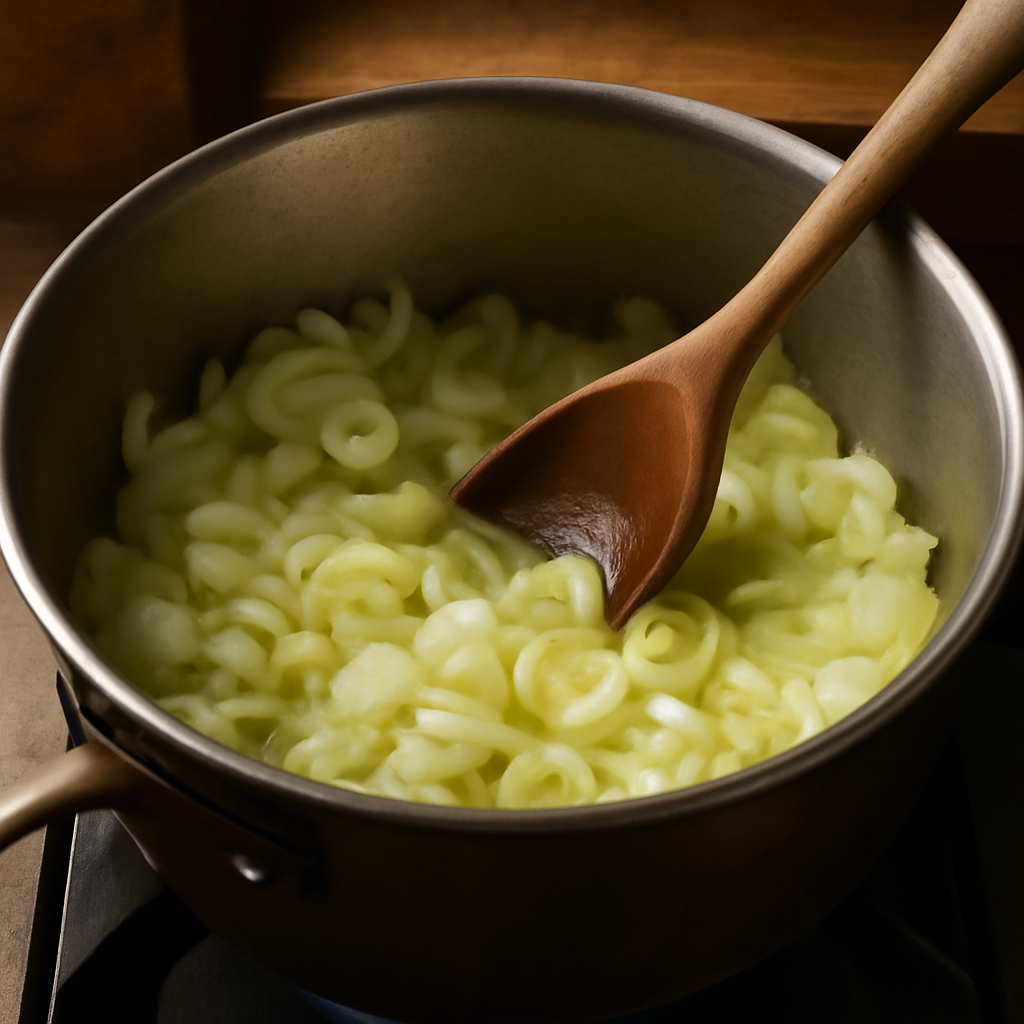
Set a large, heavy-based saucepan over a medium heat. Add the rapeseed oil and butter together. When the butter has melted and the foam begins to subside, add the onion and leek. Cook, stirring occasionally, for 8 to 10 minutes until both are soft and translucent but not coloured. If the leek starts catching at the edges, lower the heat slightly and add a small splash of water.
-
Add the crushed garlic and grated ginger. Stir them through the softened vegetables and cook for 90 seconds. The smell will sharpen noticeably. Do not let the garlic brown or it will introduce a bitterness that no amount of stock will mask.
-
Stir in the ground coriander and cumin. Let the spices toast in the residual fat for about 30 seconds, stirring constantly, until they smell slightly dusty and warm. This step is brief but it matters.
-
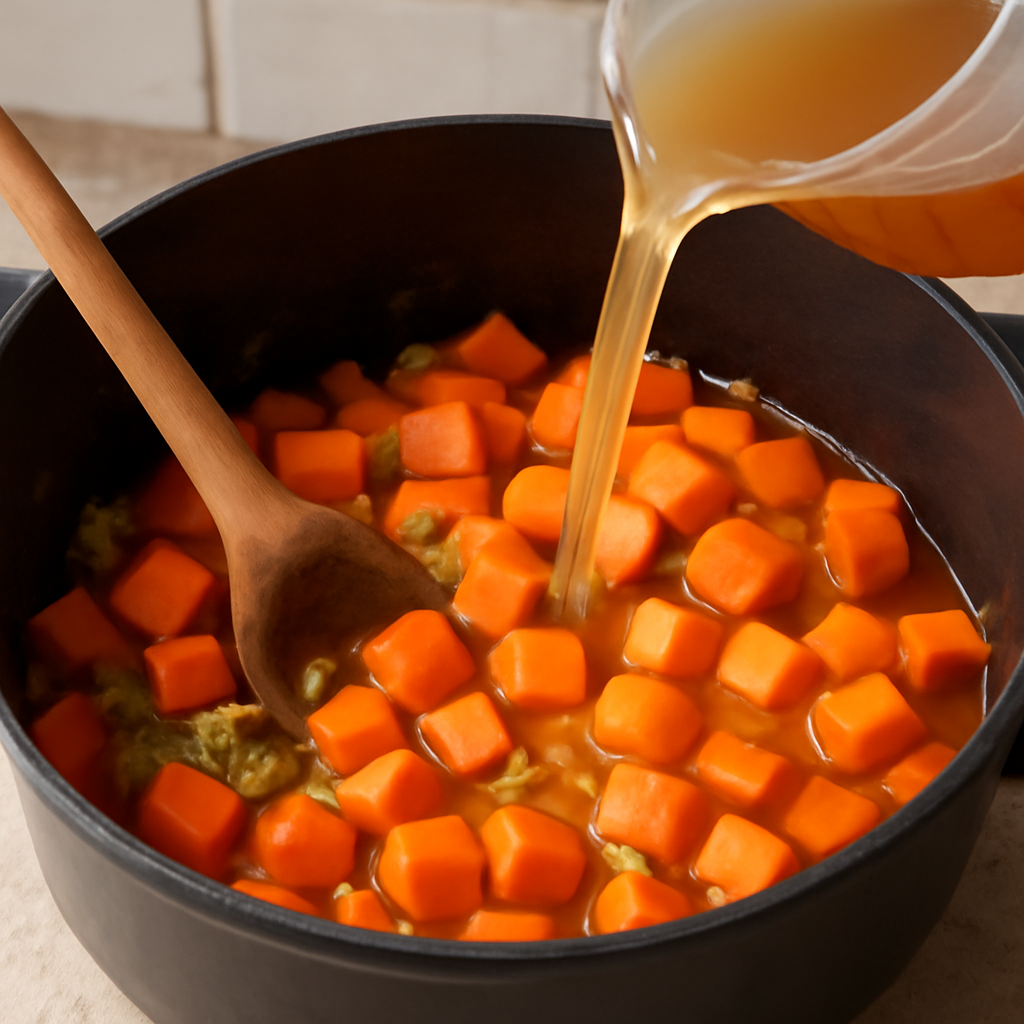
Add the chopped carrots and stir to coat everything evenly. Pour in the vegetable stock. The liquid should just cover the carrots; if it does not, add a small amount of water. Bring to a steady simmer over a medium-high heat, then reduce to medium-low. Cover loosely and cook for 20 to 22 minutes until the carrots are completely tender. Test with the tip of a knife; there should be no resistance at all.
-
Remove the pan from the heat. Use a stick blender to blitz the soup directly in the pan until completely smooth. Work from the bottom of the pan upward and keep the blender head submerged to avoid splashing. If you are using a countertop blender, allow the soup to cool for 5 minutes, then blend in batches, filling the jug no more than halfway each time and holding the lid down firmly with a folded tea towel.
-
Return the blended soup to a low heat. Pour in the milk gradually, stirring as you go. The colour will lighten from a deep amber-orange to a softer, more even tone. Season with the half teaspoon of sea salt and the white pepper. Taste carefully. If the carrots were particularly sweet, a few extra grinds of white pepper will keep the soup from tipping too far in that direction. Adjust the salt as needed.
-
Heat the soup through gently for 3 to 4 minutes without letting it boil. Boiling after the milk has been added can cause the surface to turn grainy.
-
Ladle into warmed bowls. Add a tablespoon of natural yoghurt to the centre of each portion, scatter a few fresh coriander leaves over the top, and serve immediately with good brown soda bread on the side.
Irish Context
Carrots have been a staple of Irish kitchen gardens and allotments for as long as anyone can reliably trace. They grow reliably in Irish soil and are available almost year-round from Irish producers.
The combination of carrots and leeks in a single pot is not a sophisticated invention; it is simply what Irish cooks have always done with what was to hand. The addition of ginger here is a small modern adjustment that works with the natural sweetness of the carrot rather than against it.
Rapeseed oil, cold-pressed from Irish-grown crops, has become a genuinely useful ingredient in the Irish kitchen over the past decade or so, and it works well here alongside the butter.
Tips
The quality of the carrots makes a significant difference. Older, dry carrots that have been sitting in the bag too long will produce a flatter-tasting soup.
Carrots that are firm, slightly sweet, and smell earthy when cut are what you want. If you can get them from a farmers market or a good greengrocer in autumn and winter, the difference is noticeable.
Do not skip washing the leek after slicing it. Grit lodged between the layers is unpleasant and does not blitz out.
If the finished soup is thicker than you would like, thin it with a little extra warm stock rather than water. Water dilutes the flavour; stock does not.
The yoghurt is not decoration. It cuts through the sweetness of the carrots and adds a slight tang that lifts the whole bowl.
Soured cream works equally well if that is what you have. This soup keeps well.
Refrigerate in a sealed container for up to 3 days. It will thicken considerably as it cools; stir in a splash of stock or milk when reheating.
It also freezes well before the milk is added; add the milk fresh when reheating from frozen.

Author Commentary