
 AI
AI
 AI
AI
 AI
AI
Ingredients
Method
-
Drain the cockles and rinse them twice under cold running water. Discard any that are cracked or that do not close when tapped sharply against the side of the sink. Set aside in a colander.
-
Preheat the oven to 190°C fan, 210°C conventional.
-
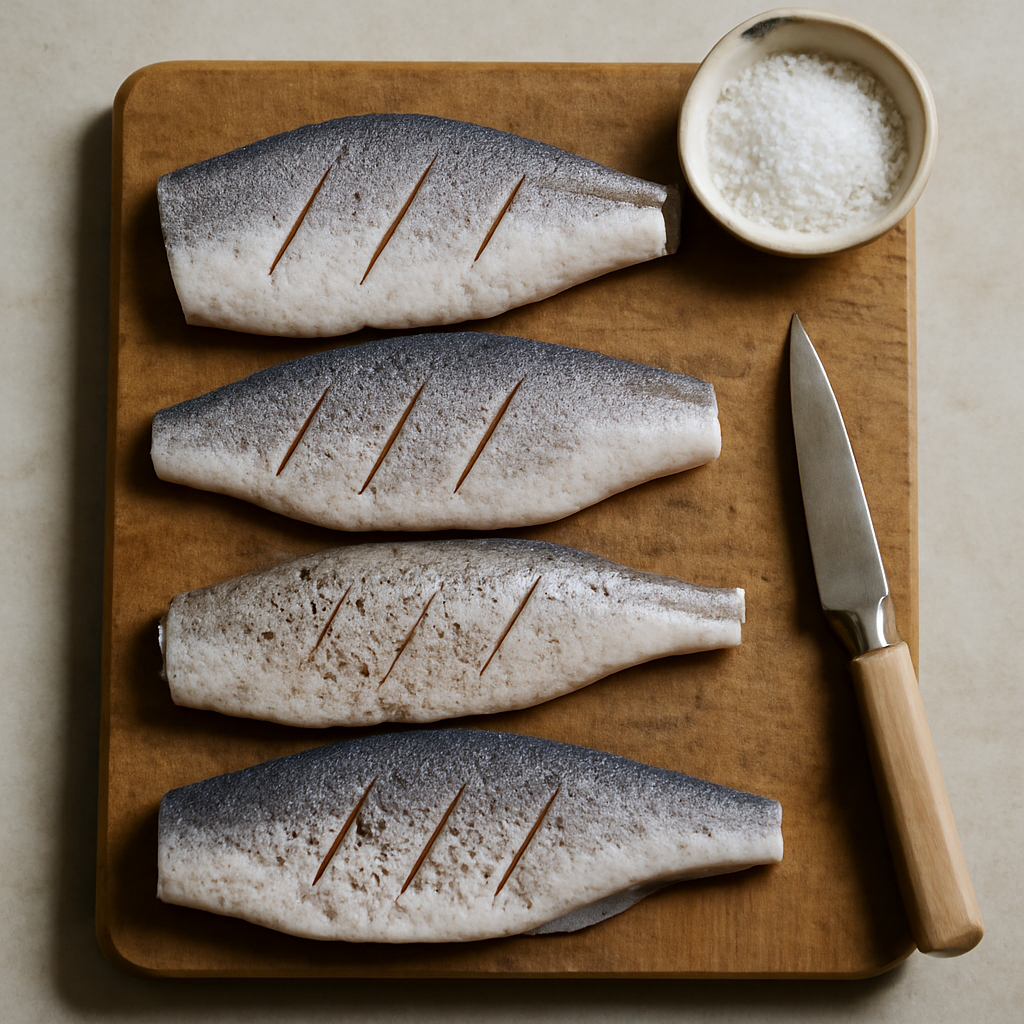
Pat the codling fillets dry with kitchen paper. Score the skin three times at an angle with a sharp knife to prevent curling. Season the flesh side only with a small pinch of salt and a few grinds of pepper. Hold back on salt at this stage as the cockles will contribute a significant amount of their own.
-
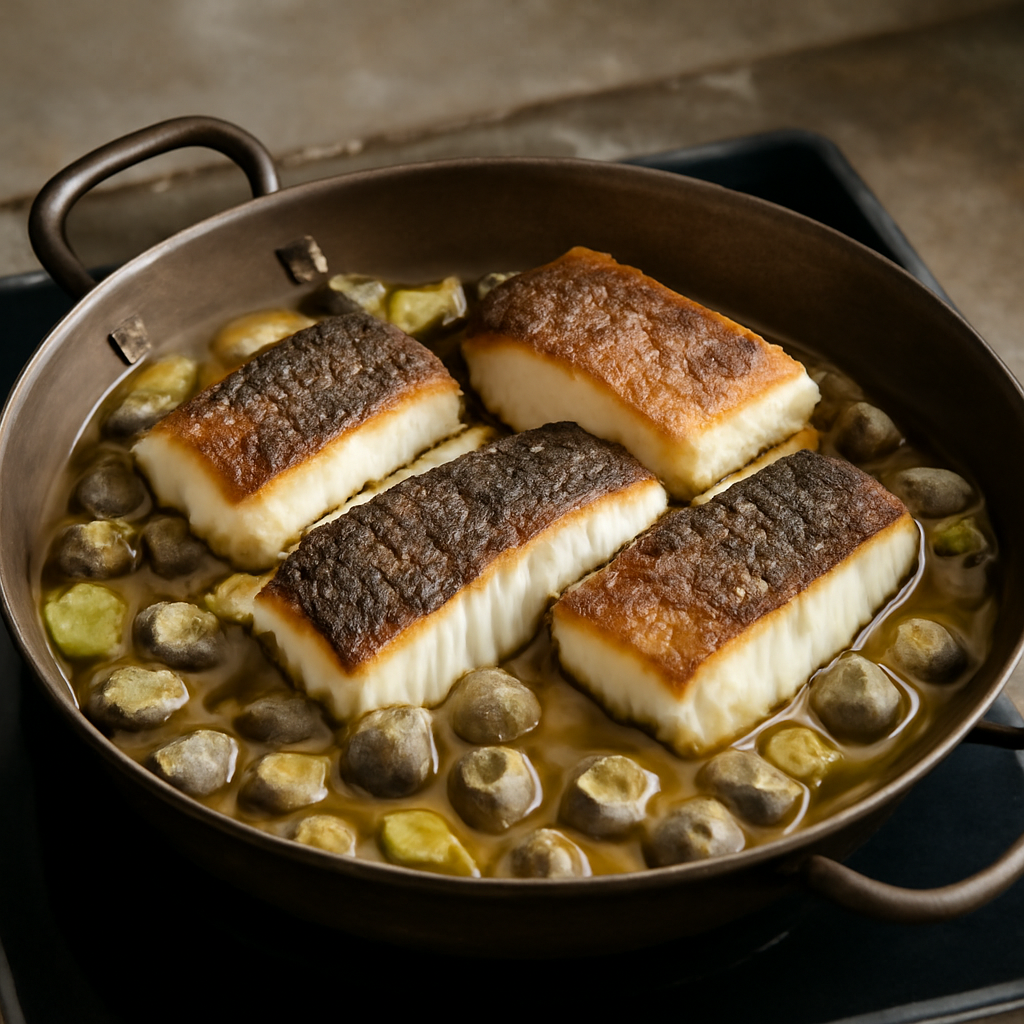
Heat the rapeseed oil in a wide, ovenproof frying pan or shallow casserole dish over a medium-high heat. When the oil just begins to shimmer, place the fillets skin-side down. Press each fillet gently for the first 30 seconds to keep the skin flat against the pan. Cook for 2 minutes until the skin is golden and beginning to crisp. Transfer to a plate, skin-side up. The fish will finish cooking in the oven so do not attempt to cook it through at this stage.
-
Reduce the heat to medium. Add the butter to the same pan and let it foam. Add the leek rounds and cook gently for 5 to 6 minutes, stirring occasionally, until softened but not coloured. Add the garlic and cook for a further 90 seconds.
-
Scatter the flour over the leeks and stir through for about 1 minute to cook out the raw taste.
-
Pour in the cider and let it bubble for 2 minutes, scraping any residue from the base of the pan. Add the fish stock and bring to a low simmer.
-
Scatter the cleaned cockles across the leek base. Nestle the codling fillets on top, skin-side up, pressing them down slightly so they sit in the liquid without being submerged.
-
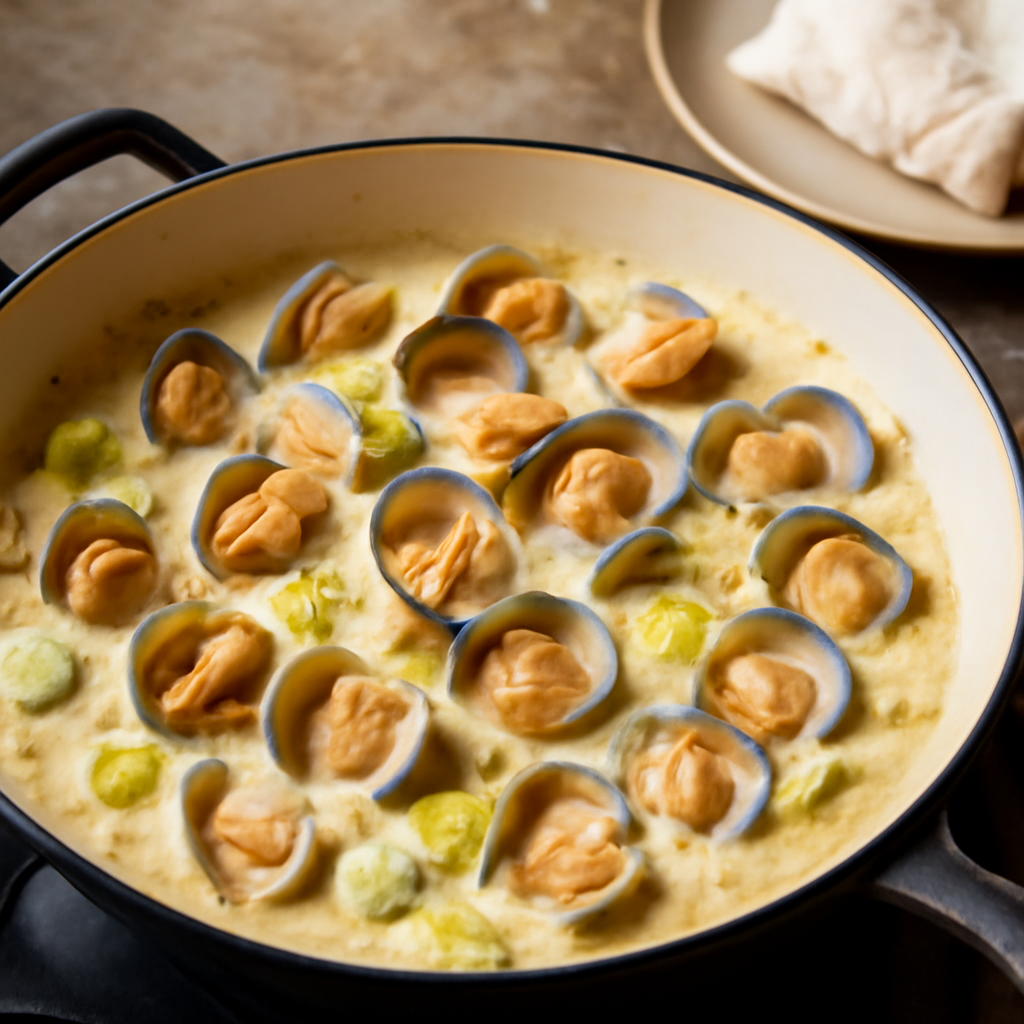
Transfer the pan to the oven and bake for 12 to 14 minutes. The codling is cooked when the flesh flakes at the thickest point when pressed with a finger and is completely opaque. All the cockles should be fully open. Discard any that remain shut.
-
Lift the fillets out carefully with a wide fish slice and rest them on a warm plate, loosely covered. Place the pan back over a medium heat on the hob. Use a slotted spoon to remove the cockles and set aside with the fish.
-
Pour the double cream into the pan juices and leeks. Stir in both mustards and add the lemon zest. Simmer for 3 to 4 minutes until the sauce reduces to a consistency that coats the back of a spoon. Taste before adding any salt; it may not need any. Add a squeeze of lemon juice.
-
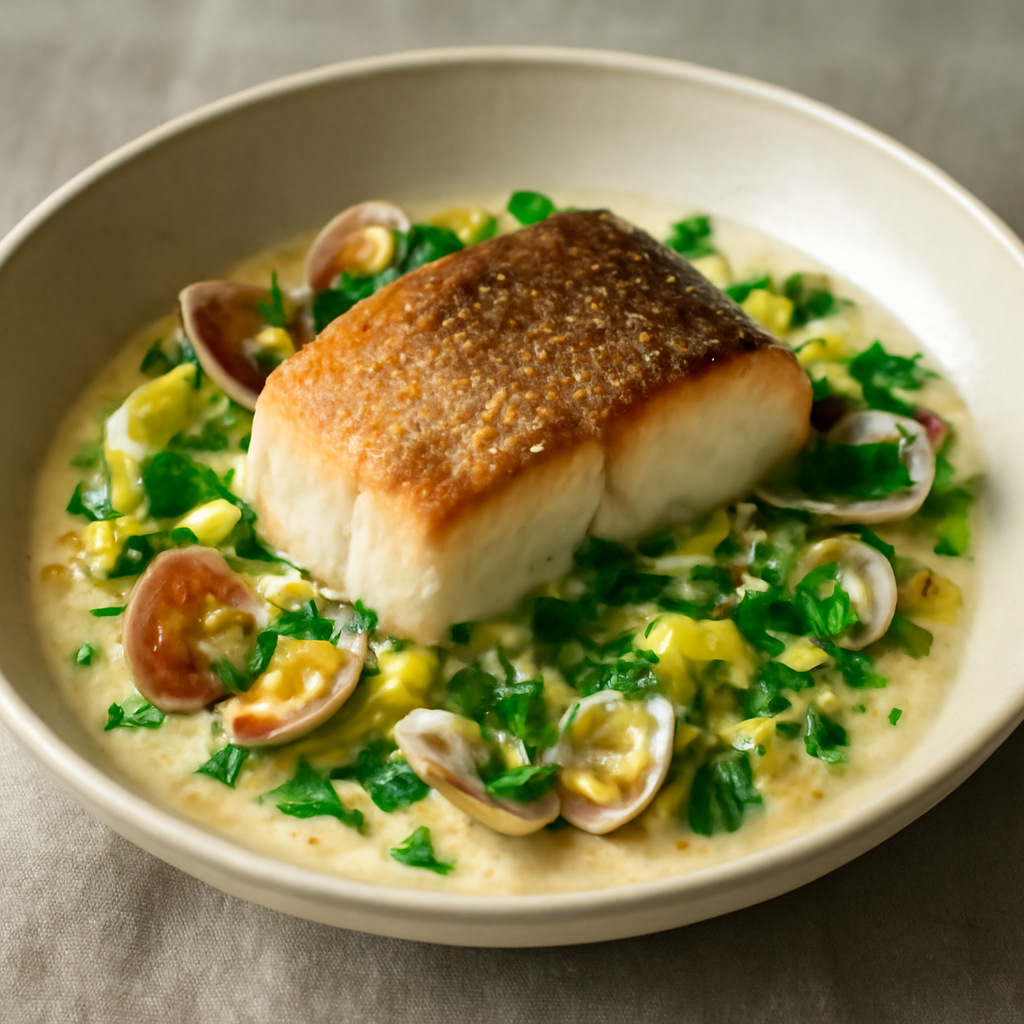
Return the cockles to the sauce and warm through for 1 minute. Divide the leek and cockle mixture between four shallow bowls or plates. Place a codling fillet on top of each, skin-side up to keep the skin from going soggy. Spoon a little extra sauce over the fish rather than over the skin. Scatter with the chopped parsley and serve immediately.
Irish Context
Cockles are gathered commercially along several stretches of the Irish coast, particularly in the North Bull Island area of Dublin Bay and in Dundalk Bay. They have always been sold cheaply and eaten simply, often boiled and eaten from a paper bag with vinegar.
Using them as a cooking medium rather than a garnish gives them a different role. Their brine, released as they open in the oven, carries a concentrated sea flavour that no amount of added salt can replicate.
Codling appears regularly at fish counters from autumn through early spring when the fish are moving inshore. Buying young cod rather than fully grown fish is also a sensible choice in terms of stock pressure on the species, and the flesh has a slightly sweeter flavour and more delicate flake than the larger fish.
Tips
Purging cockles matters. Leave them in cold, lightly salted water for at least an hour before cooking and you will see the grit they expel.
Without this step the sauce will have a sandy texture that ruins it. Codling is young cod, generally under 3kg whole weight, and the fillets are thinner than those from a fully grown fish.
This means they cook faster. If you can only get larger cod fillets, increase the oven time to 16 to 18 minutes and check them at the thicker end.
The flour added with the leeks is a safeguard. The cockle liquid and cream alone will reduce to a reasonable sauce but the flour gives it a more stable body that does not split if the heat climbs too high.
Do not season the skin side of the fish before searing. Moisture drawn out by salt will prevent crisping and you will end up with a pale, steamed skin instead.
If your pan is not ovenproof, transfer everything to a snug baking dish before putting it in the oven. The dish should be deep enough to hold the cooking liquid without spillage but not so large that the liquid spreads thin and evaporates before the fish is done.
Leftovers: the sauce and cockles reheat gently in a small saucepan the next day and work well spooned over toast. The fish itself is best eaten fresh.

Author Commentary