
 AI
AI
 AI
AI
 AI
AI
Ingredients
Method
-
Preheat your oven to 220°C (200°C fan). Line a large baking tray with non-stick baking paper.
-
Sift the flour, baking powder, salt, and black pepper into a wide mixing bowl. Give it a quick stir to distribute evenly.
-
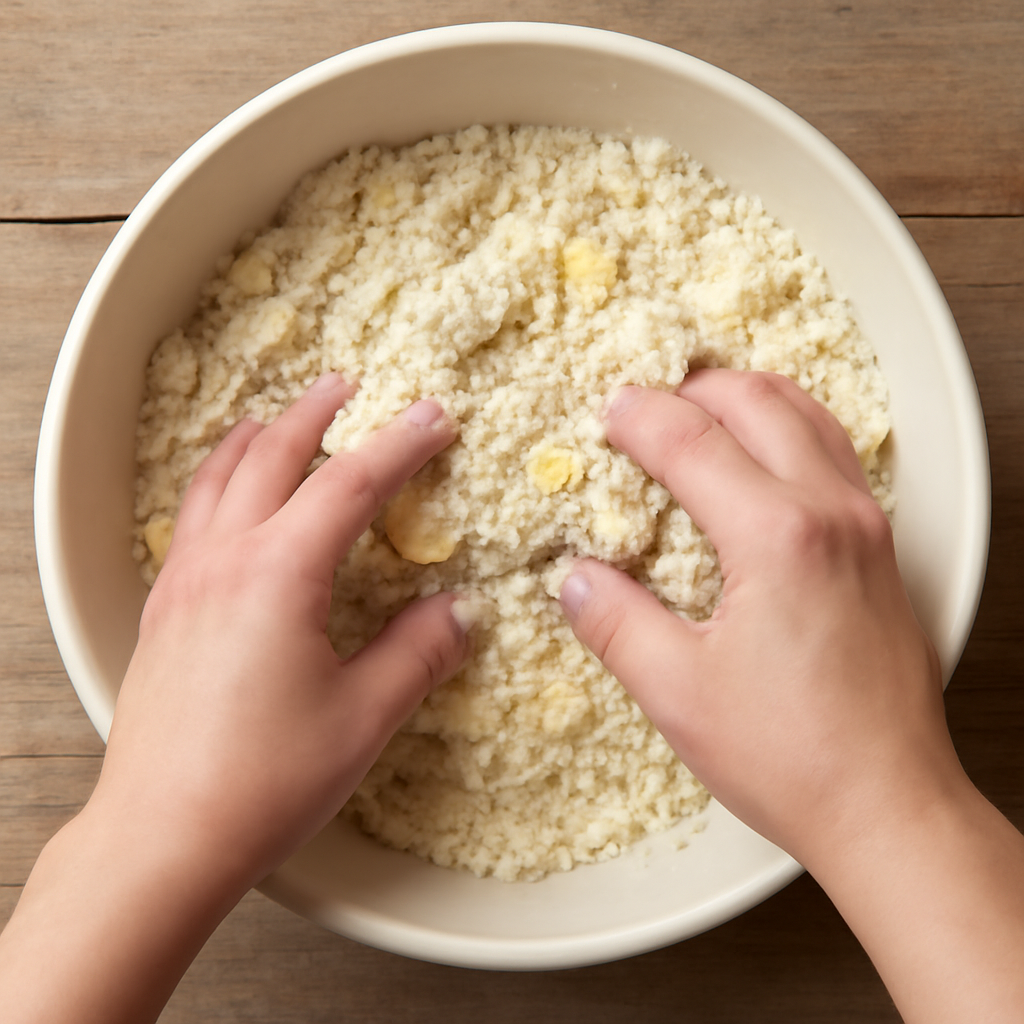
Add the cold butter cubes to the flour. Using your fingertips, rub the butter into the flour until the mixture resembles coarse, uneven breadcrumbs. Work quickly so the butter stays cold. You want some pea-sized lumps remaining; they create steam pockets that lift the scone.
-
Stir in 75g of the grated Cheddar (reserve the rest for topping), the chives, thyme, and parsley. Toss everything together so the herbs and cheese are evenly distributed through the flour.
-
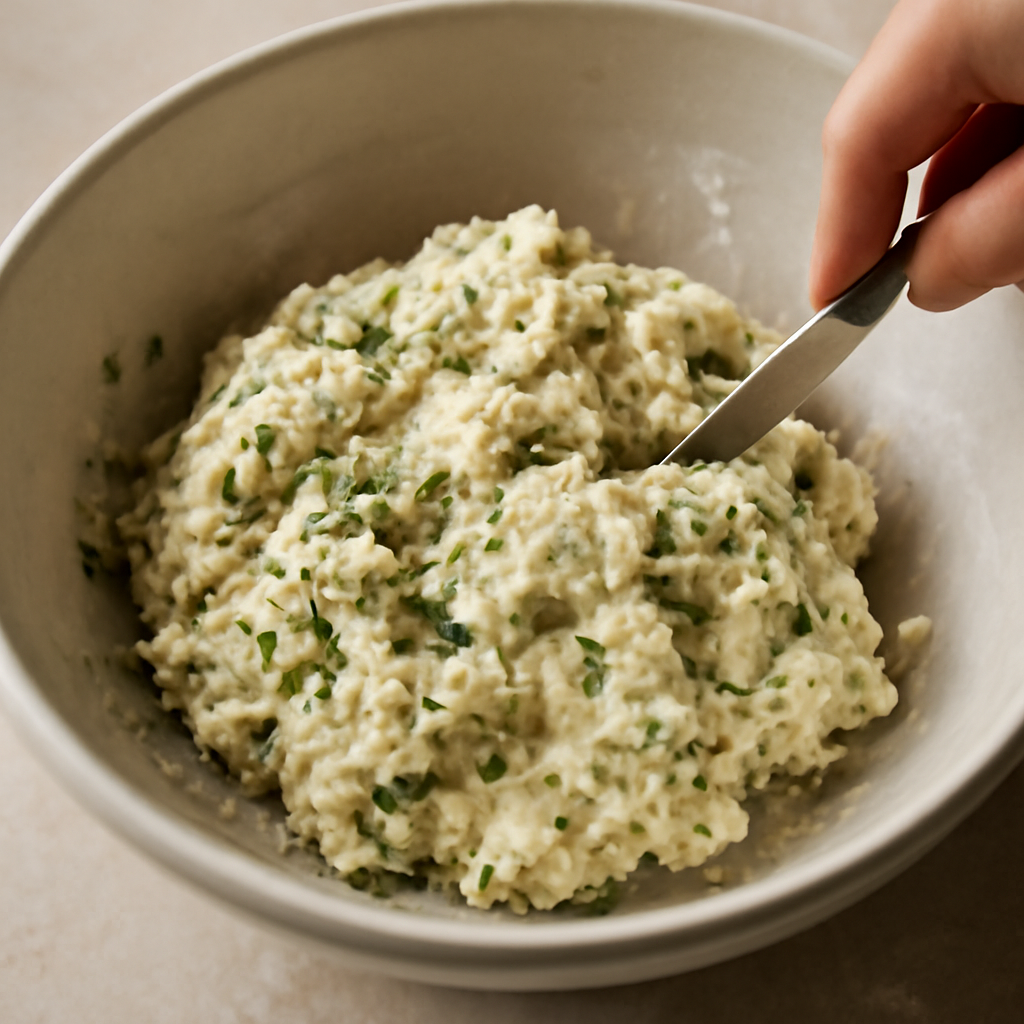
Beat the egg into the cold buttermilk with a fork. Pour this into the flour mixture all at once. Using a table knife or flat spatula, cut through the mixture with short, decisive strokes until it just comes together into a shaggy dough. Stop the moment there is no dry flour visible. Overworking at this stage toughens the scone.
-
Turn the dough onto a lightly floured surface. Pat it gently into a round about 3cm thick. Do not use a rolling pin. The less you handle it from this point, the better the final texture.
-
Using a sharp 6cm round cutter, press straight down without twisting and lift cleanly. Twisting seals the edges and prevents an even rise. Re-pat the offcuts once only to cut the final scones.
-
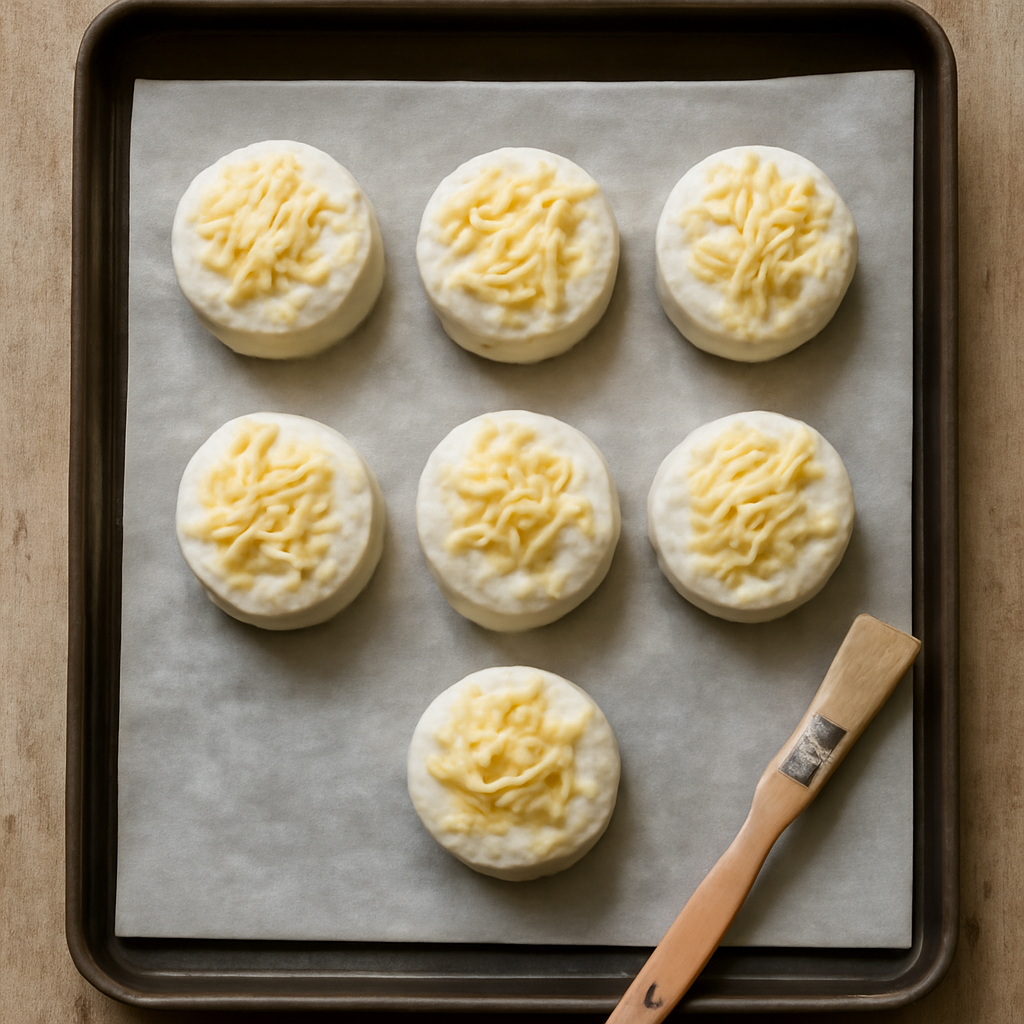
Place the scones on the prepared tray, leaving about 3cm between each. Brush the tops lightly with whole milk, then scatter the reserved 25g of Cheddar over each one.
-
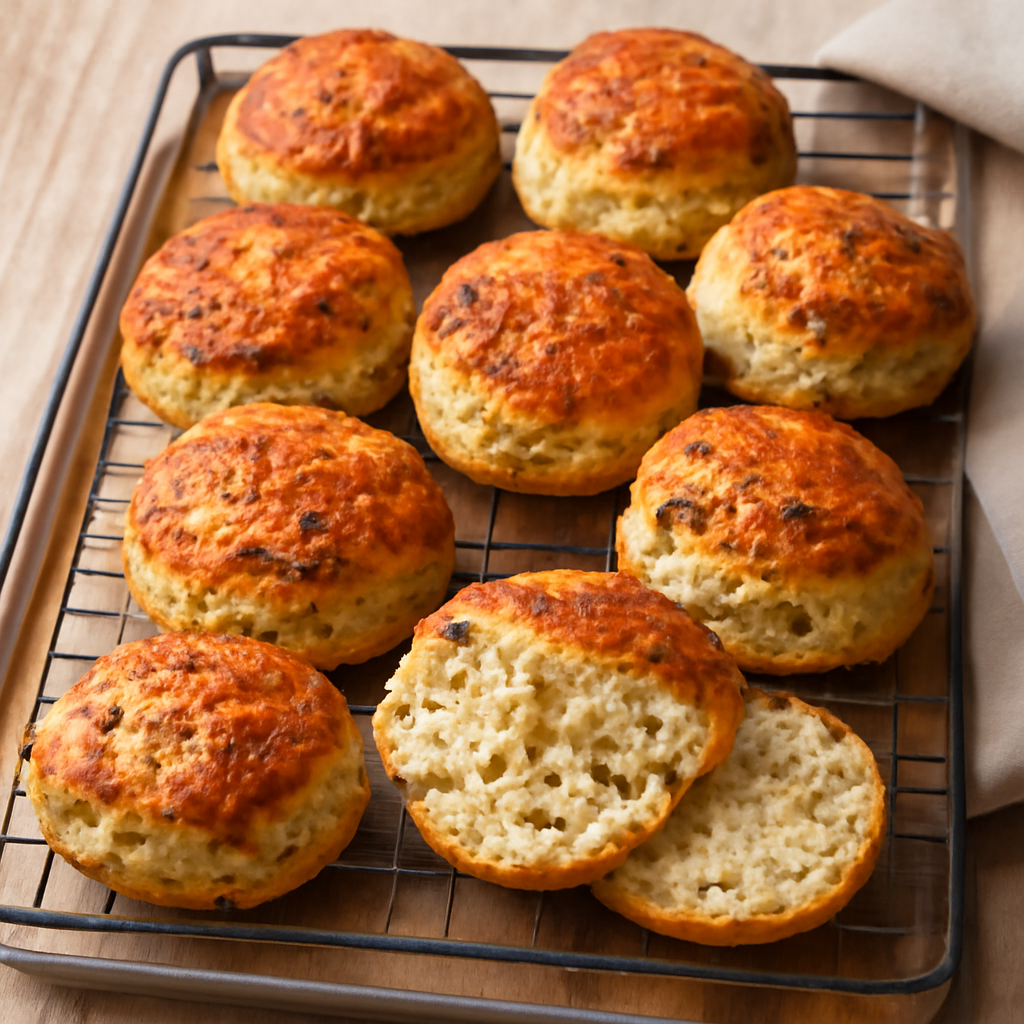
Bake at 220°C (200°C fan) for 16 to 18 minutes. They are ready when the tops are deep golden brown and the cheese has coloured slightly at the edges. Tap the base of one scone gently; it should sound hollow, not dense.
-
Transfer to a wire rack immediately. Leave for at least 5 minutes before splitting, or the interior will be gummy.
Irish Context
Buttermilk has been a kitchen staple in Ireland for a long time, produced as a byproduct of butter-making and used in everything from soda bread to pancakes. Its presence in this recipe is practical rather than nostalgic: it gives the scone its characteristic slight tang and an open, moist crumb that plain milk cannot replicate.
Fresh herbs, particularly chives and thyme, grow readily in Irish gardens for much of the year and appear in savoury baking precisely because they are available and cost nothing. Mature Irish Cheddar, aged for twelve months or more, has a concentrated, slightly caramel quality that holds its flavour through the heat of the oven in a way that younger cheeses do not.
Tips
Cold butter and cold buttermilk are not negotiable here. If your kitchen is warm, chill the cubed butter in the freezer for 10 minutes before you start.
Buttermilk is the liquid that makes these scones work. The acidity reacts with the baking powder to create the lift.
Ordinary milk will not give the same result. If you have no buttermilk, stir a tablespoon of lemon juice into 150ml of whole milk and leave it for 5 minutes before using.
Thyme loses its point quickly once stripped from the stems. Prepare the herbs last, just before mixing.
If the dough feels sticky when you turn it out, resist adding more flour. A slightly tacky dough bakes to a softer crumb.
Extra flour at this stage is the most common reason for a dry, dense scone. These scones do not keep well.
By the next morning the texture has already changed. If you are baking ahead, freeze the unbaked, cut rounds on a tray and bake straight from frozen at the same temperature, adding 4 to 5 minutes to the baking time.

Author Commentary