
 AI
AI
 AI
AI
 AI
AI
Ingredients
Method
-
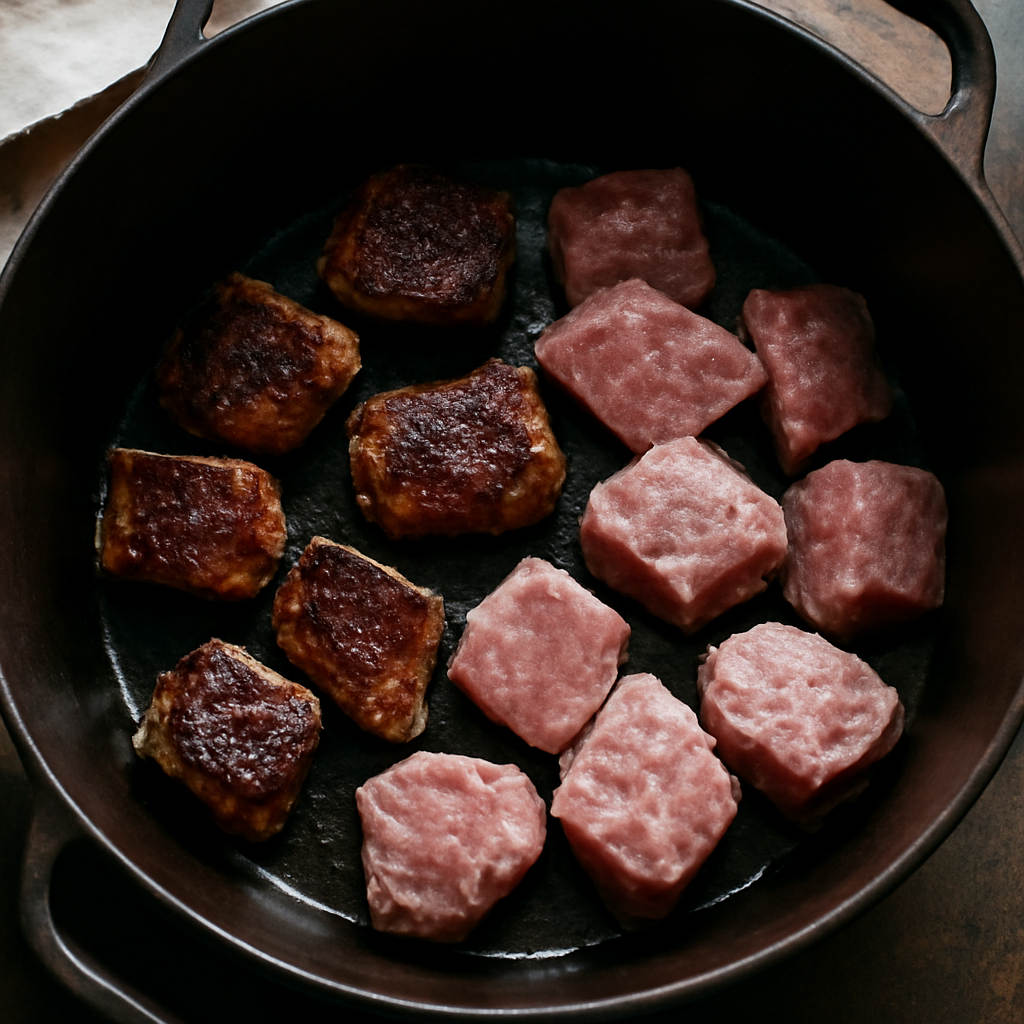
Pat the lamb pieces completely dry with kitchen paper. Any moisture on the surface will cause the meat to steam rather than brown, and you will lose the fond on the base of the pan that carries most of the soup's depth. Season the pieces generously with half the salt and all the pepper.
-
Heat the rapeseed oil in a large, heavy-based pot over a high heat until it just begins to smoke. Add the lamb pieces in a single layer, working in two batches if the pot is crowded. Leave each piece untouched for 2 to 3 minutes until a dark brown crust forms before turning. Brown all sides, then remove to a plate. The inside of the meat should still be raw at this point.
-
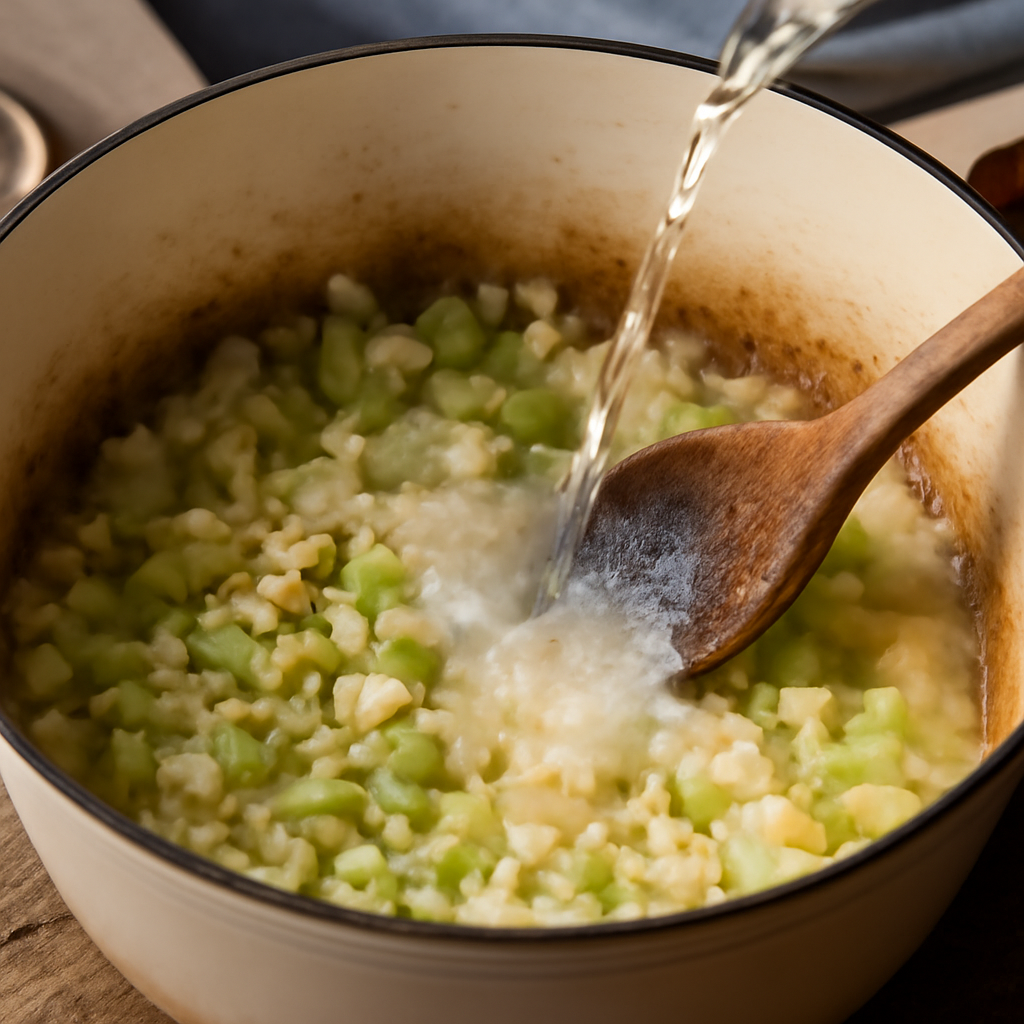
Reduce the heat to medium. Add the butter to the pot. Once it foams, add the onion and celery with a pinch of salt. Cook for 6 to 8 minutes, stirring occasionally, until the onion softens and turns translucent. Scrape the bottom of the pot as you stir to lift any stuck fond into the vegetables.
-
Add the garlic and cook for 1 minute, stirring constantly, until fragrant but not coloured. Stir in the plain flour and cook for 2 minutes, pressing it into the vegetables to coat them evenly. The mixture will look dry and slightly pasty. This is correct.
-
Pour in the white wine. It will bubble hard and lift the remaining fond from the base. Stir continuously for about 1 minute until the wine reduces by half and the raw alcohol smell cooks off.
-
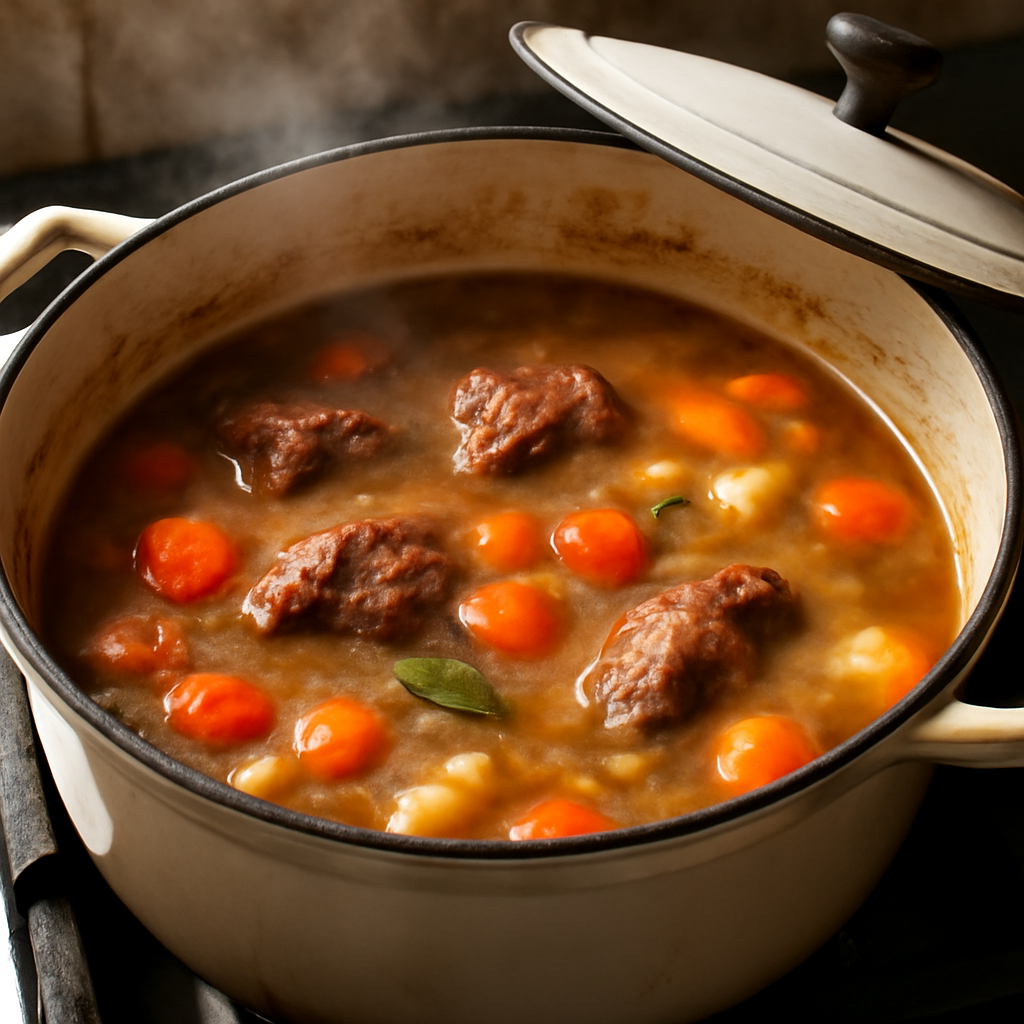
Return the browned lamb to the pot along with any resting juices from the plate. Add the carrots, parsnips, dried thyme, bay leaf, and the remaining salt. Pour in the lamb stock and stir well to combine everything. The flour from step four will begin to thicken the liquid as it heats.
-
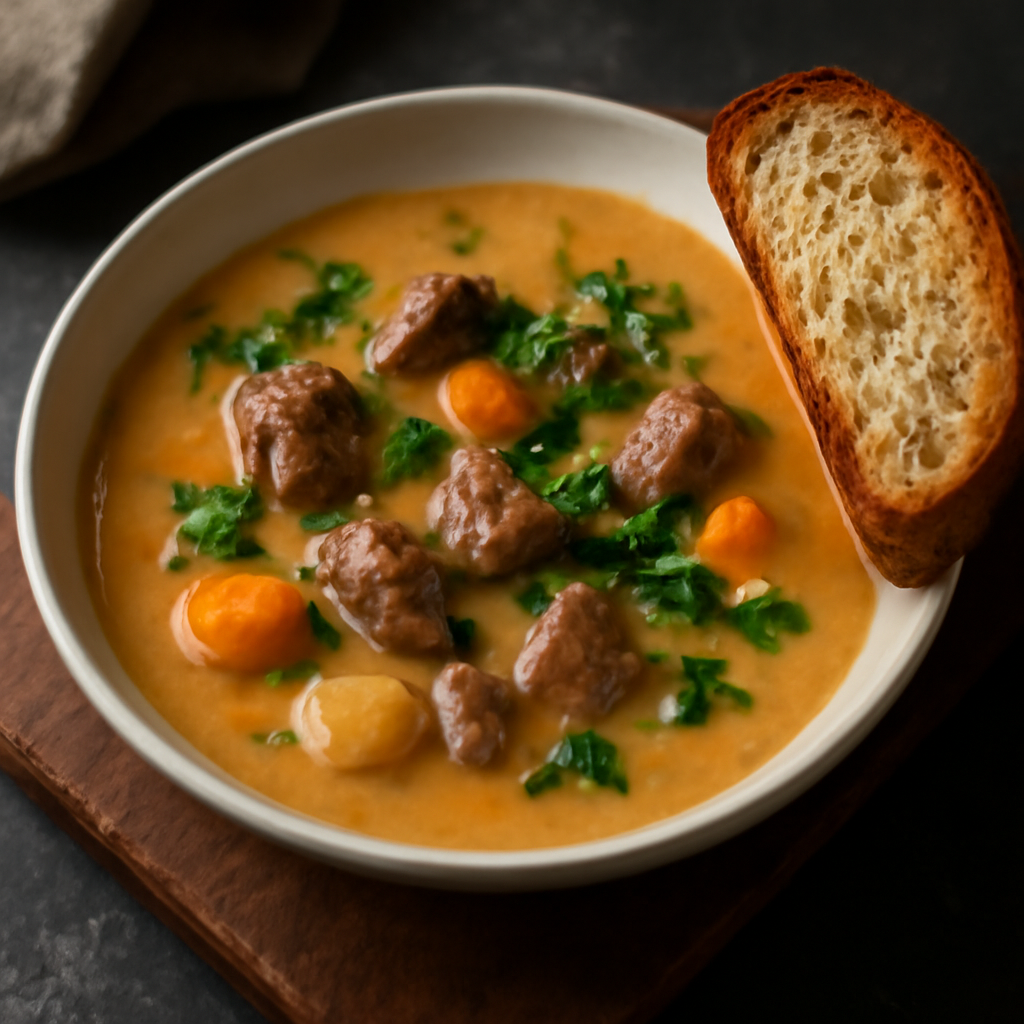
Bring the soup to a gentle boil, then reduce the heat to low. The surface should show a slow, lazy simmer with occasional bubbles breaking through, not a rolling boil. Cover with a lid left slightly ajar and cook for 1 hour 15 minutes. The lamb is ready when it pulls apart easily under light pressure from a spoon and the vegetables are completely tender without being mushy.
-
Remove the bay leaf. Take the pot off the heat and let it sit for 3 minutes. This brief rest drops the temperature slightly, which matters for the next step. If the soup is too hot when you add the cheese, it will seize and turn stringy rather than melting smoothly into the broth.
-
Add the grated cheese in three separate additions, stirring thoroughly after each one before adding the next. Use a wooden spoon and stir in slow, deliberate circles rather than vigorous strokes. The cheese should melt into the soup within about 30 seconds of each addition, leaving no visible strands. If you see the cheese beginning to clump, move the pot back to the lowest possible heat and stir without stopping.
-
Taste and adjust salt. The cheese adds its own saltiness, so hold back before adding more. Ladle into warmed bowls, scatter the chopped parsley on top, and serve with sourdough bread on the side for soaking up the broth.
Irish Context
Coolea cheese is made in west Cork and has been produced on the Willems farm in the Derrynasaggart Mountains since the late 1970s. It is a washed-curd, Gouda-style cheese that ages well and melts cleanly into hot liquids without the graininess you can get from some harder varieties.
Using it in a lamb broth rather than on a cheeseboard is not a tradition in any particular sense, but it makes sense given how the flavours work together. The slight sweetness and buttery quality of the cheese rounds off the slight gaminess of the lamb stock, without either one disappearing into the other.
Tips
Lamb neck fillet is the right cut here. Shoulder works in a pinch but takes longer to become tender.
Leg is too lean and will turn grainy after two hours of cooking. Grate the cheese yourself.
Pre-grated cheese is coated in anti-caking starch, which makes it clump rather than dissolve into the broth. The difference is visible and tastes worse.
If the soup looks greasy when it finishes simmering, tilt the pot and use a large spoon to skim the excess fat from the surface before adding the cheese. A little fat is fine.
A slick across the whole surface is not. The soup thickens considerably as it cools.
If reheating the next day, add 100 to 150ml of water or light stock and stir over a low heat. Do not boil it once the cheese has been incorporated, as the emulsion will break.
Coolea is the most straightforward cheese to find in Irish supermarkets for this recipe. Aged Gubbeen or Hegarty's Cheddar also work well, though Hegarty's gives a sharper, saltier result that changes the balance of the soup noticeably.

Author Commentary