
 AI
AI
 AI
AI
 AI
AI
Ingredients
Method
-
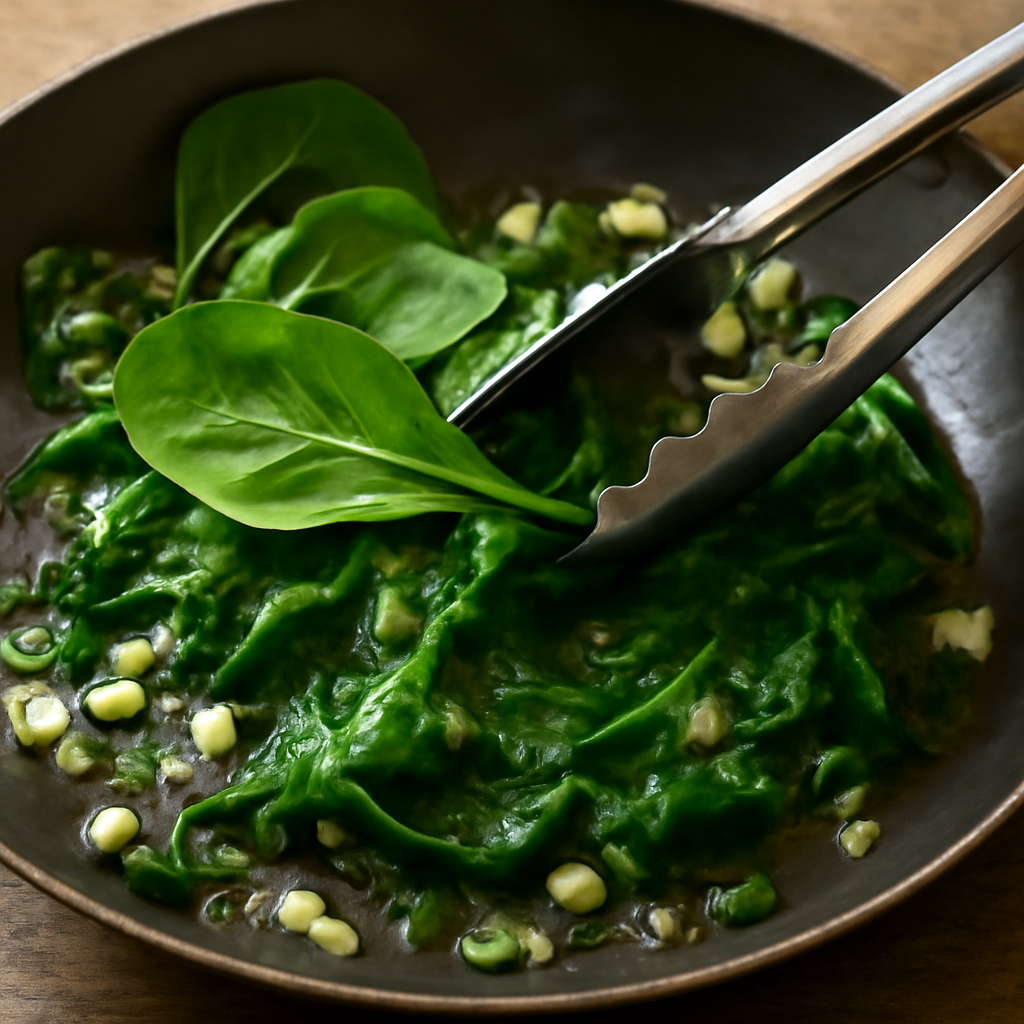
Heat the olive oil in a frying pan over a medium heat. Add the garlic and spring onions and cook for 90 seconds, stirring, until softened but not coloured. Add the spinach in two batches, turning it with tongs until completely wilted, about 2 minutes per batch. Tip the spinach into a sieve set over the sink and press down firmly with the back of a spoon. You need to remove as much water as possible here; wet spinach will make the filo soggy from the inside. Leave it to drain and cool for 10 minutes.
-
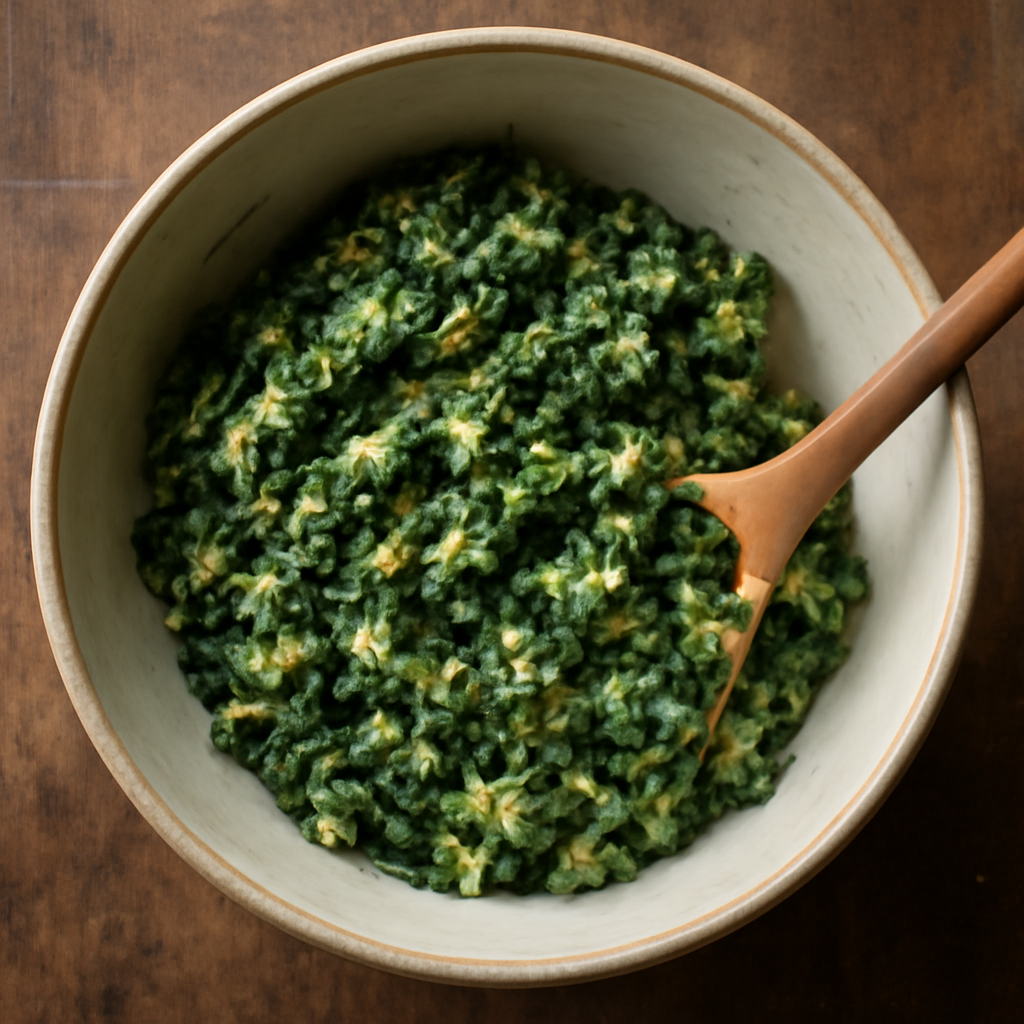
Once the spinach is cool enough to handle, squeeze it again between your palms over the sink. It should feel dry and compacted. Roughly chop it on a board. Place in a bowl with the grated cheddar, beaten egg, wholegrain mustard, nutmeg, salt, and pepper. Mix until everything is combined. The mixture should be thick and just cohesive; if it looks watery, the spinach was not drained sufficiently.
-
Preheat your oven to 200 degrees Celsius, fan 180 degrees Celsius. Line a large baking tray with baking parchment.
-
Lay one sheet of filo on a clean dry surface and brush it lightly but evenly with melted butter. Lay a second sheet directly on top and brush again. Keep the remaining filo under the damp cloth as you work; filo dries and cracks within minutes if left exposed.
-
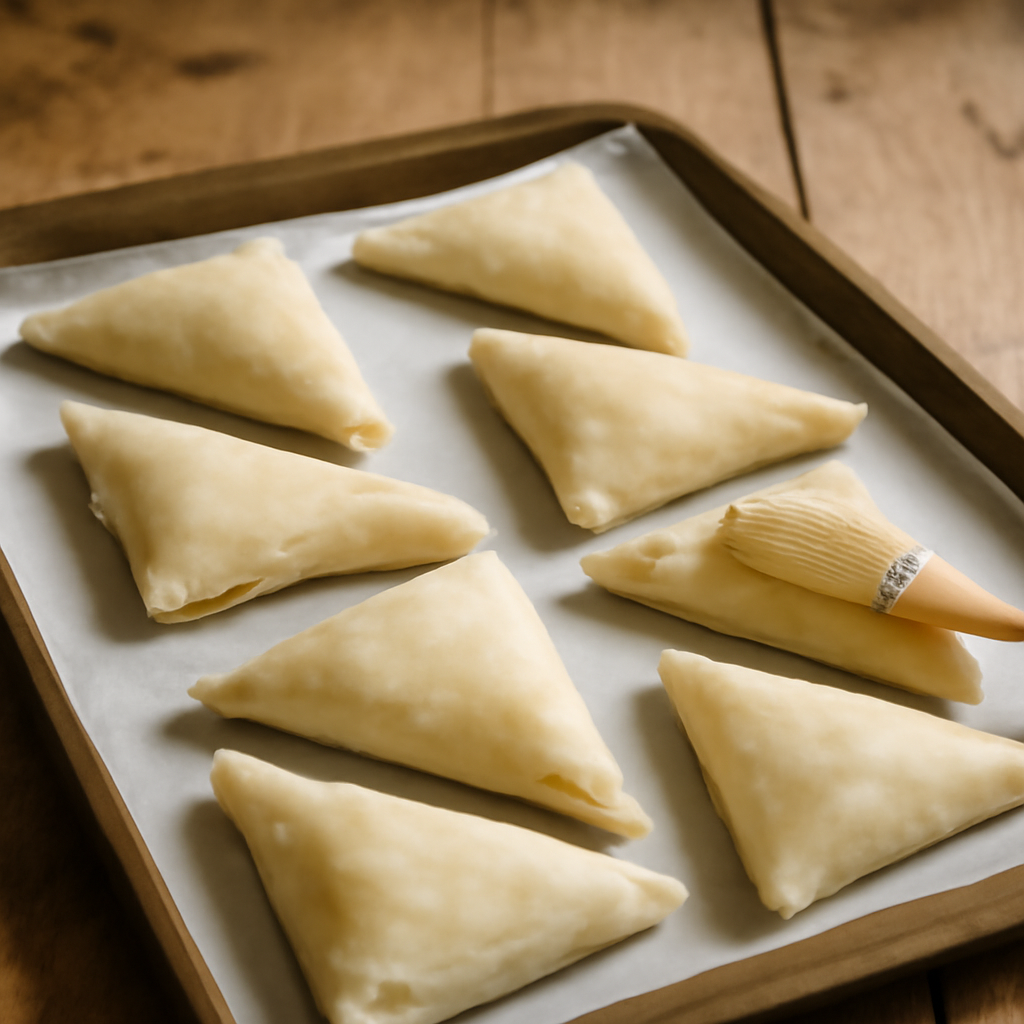
Cut the double-layered filo lengthways into four strips of roughly equal width, approximately 7 to 8cm wide. Place a heaped tablespoon of filling at the bottom of each strip, leaving a 2cm border at the base and sides. Fold the bottom-right corner up and over to the left edge to form a triangle, then continue folding in triangles up the length of the strip, as you would fold a flag. Tuck the final flap underneath and brush the outside with melted butter. Repeat with remaining filo sheets and filling to make 8 parcels in total.
-
Arrange the parcels on the prepared baking tray with space between them. Brush each one a final time with butter, ensuring the top layers are well coated; this is what gives the parcels their deep golden colour and prevents them lifting and burning unevenly.
-
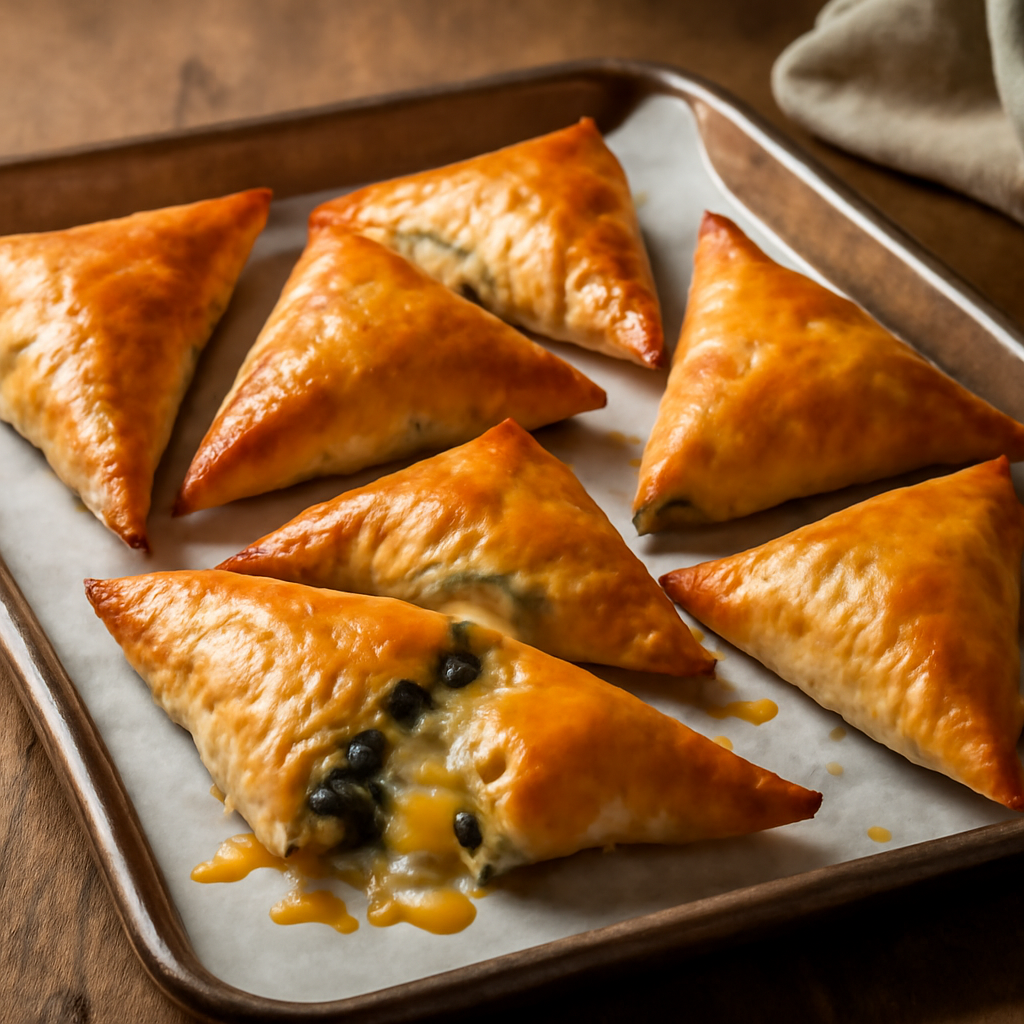
Bake on the middle shelf for 18 to 20 minutes until deep golden brown and audibly crisp when tapped lightly on the underside. The cheese inside will be fully melted. If the tops are colouring too fast before the 18-minute mark, lay a sheet of foil loosely over the tray without pressing it down.
-
Leave to rest on the tray for 3 minutes before serving. The filling is extremely hot straight from the oven and will set slightly as it rests, making it easier to eat without burning your mouth.
Irish Context
Mature Irish cheddar has a particular sharpness that develops from the quality of milk produced on grass-fed herds and from proper ageing. Several Irish creameries, particularly in Tipperary and Cork, produce cheddar that is consistently strong enough to hold its character through cooking.
When the cheese melts inside these parcels it does not disappear into blandness; it keeps its tang. That is what makes the mustard worth adding at all, not to cover anything up, but because the two sharps work together.
Tips
The single most common failure with filo parcels is wet filling. Spinach holds an extraordinary amount of water for its size.
Drain it, press it, squeeze it, then press it again before mixing with the cheese. Filo tears easily but it is more forgiving than people think.
A small tear mid-fold will not cause the parcel to fall apart in the oven as long as the outer layers are intact and buttered. Do not stop to repair minor tears; keep folding and butter generously over the top.
These can be assembled up to 4 hours ahead and kept unbaked on the tray, loosely covered with cling film in the fridge. Brush with butter just before baking.
Do not freeze assembled parcels; the moisture from the filling will make the pastry gluey. Leftovers reheat well.
Place cold parcels on a baking tray in an oven at 180 degrees Celsius for 8 minutes. Microwaving them makes the pastry soft and unpleasant.
The filling quantity is deliberately generous. If you have a tablespoon of filling left over, spread it on toast.
A mature cheddar with some age to it works better here than a mild one. You want the cheese to have enough flavour to carry through the pastry and compete with the mustard.
A two-year-aged cheddar is the minimum worth using.

Author Commentary