
 AI
AI
 AI
AI
 AI
AI
Ingredients
Method
-
Take four 200ml ramekins and brush the insides with softened butter, working the brush in vertical strokes up the sides. Add a little Parmesan to each, tilt to coat fully, then tap out the excess. Place the ramekins on a baking tray and refrigerate while you prepare the base. A cold, well-greased dish is what allows the soufflé to climb straight.
-
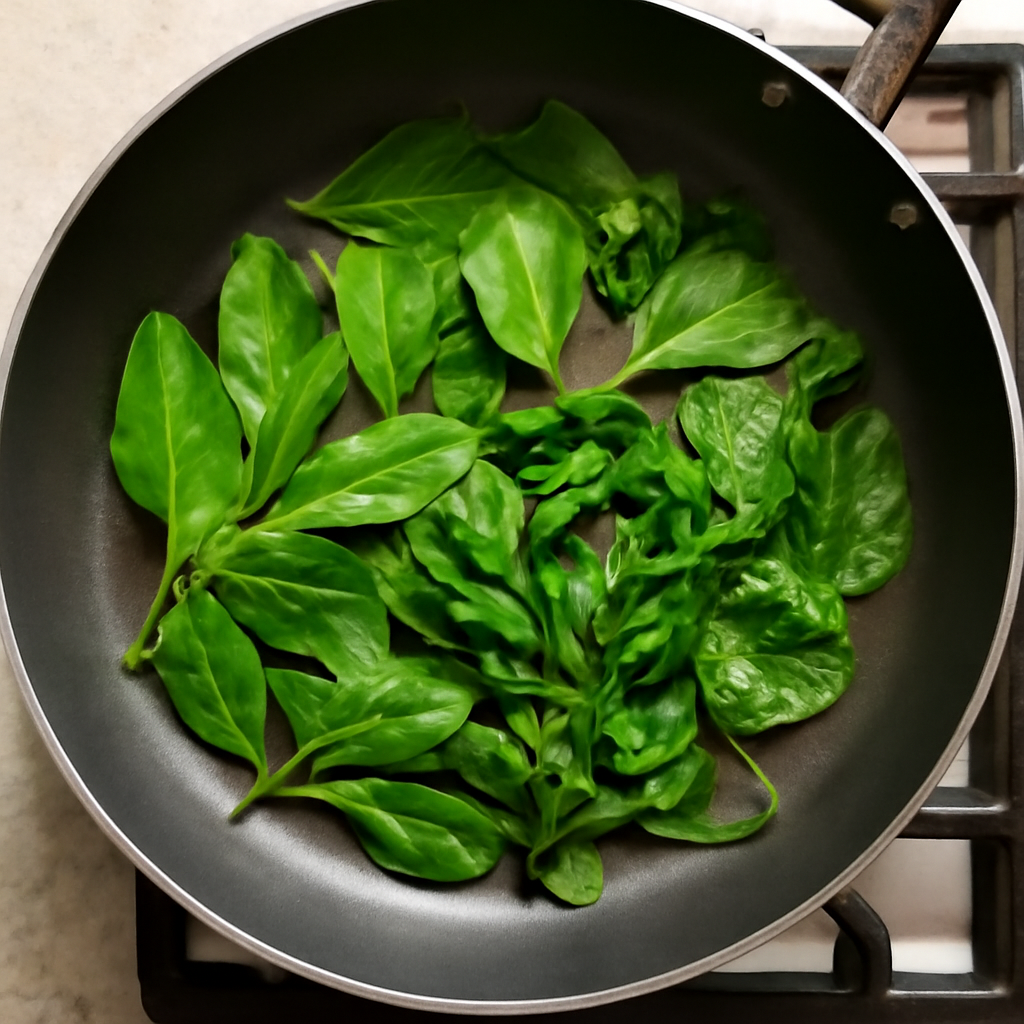
Wash the sorrel and shake off excess water. Heat a dry frying pan over a medium-high heat and add the wet sorrel. It will collapse almost immediately, within 30 to 40 seconds. The leaves turn from bright green to a dull, almost khaki olive colour as the oxalic acid reacts with the heat; this is expected and unavoidable. Remove from the heat and transfer to a sieve. Press firmly with the back of a spoon to squeeze out as much liquid as possible, then chop finely. You should have about 40 to 45g of chopped cooked sorrel. Set aside.
-
Preheat your oven to 190°C, fan 175°C. Position a rack in the lower third of the oven. Do not open the oven once the soufflés are inside.
-
Melt the 30g butter in a medium saucepan over a medium heat. Add the plain flour and stir constantly with a wooden spoon for 90 seconds; you want the raw flour smell to cook off but the roux should stay pale. Remove from the heat and pour in the warm milk all at once, whisking immediately to prevent lumps. Return to the heat and whisk steadily until the béchamel thickens and comes away from the sides of the pan, about 3 to 4 minutes.
-
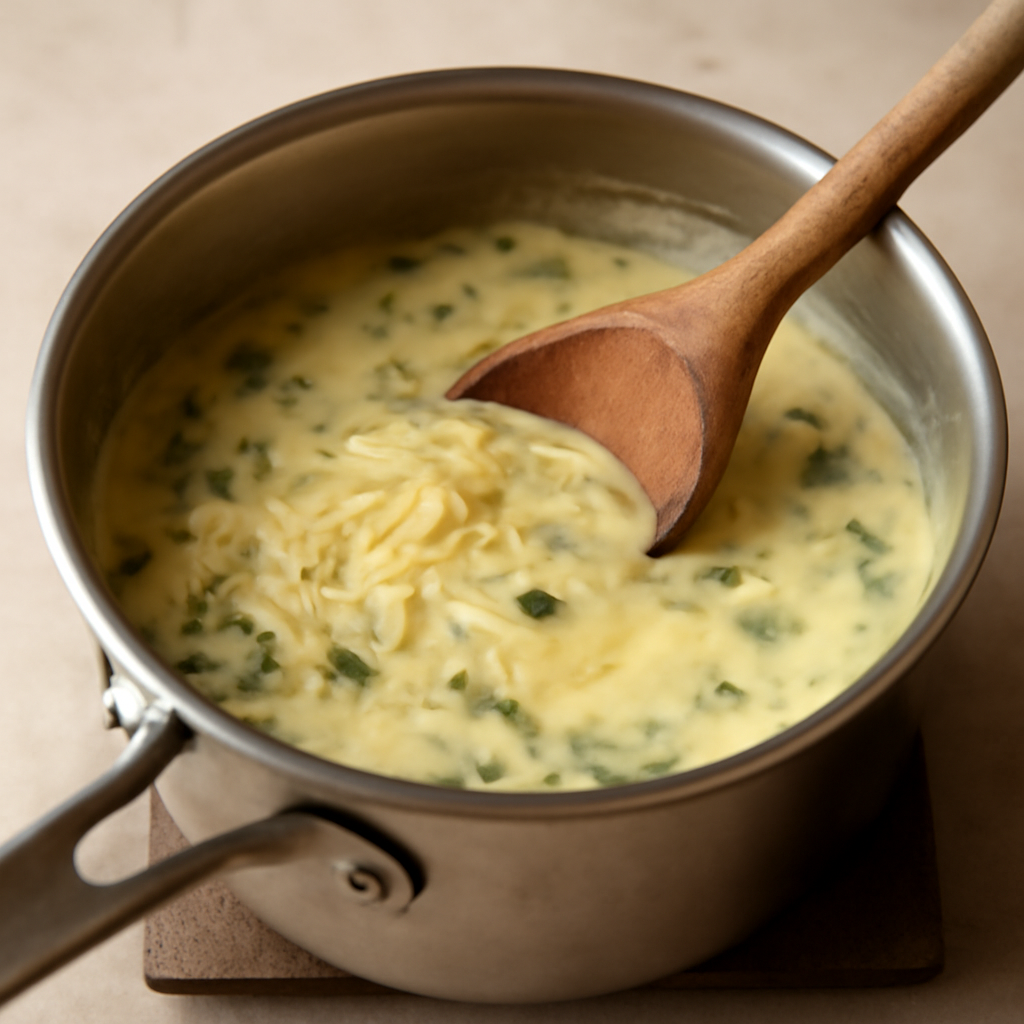
Remove the pan from the heat. Beat in the egg yolks one at a time, adding each only after the previous is fully incorporated. Stir in the mustard, nutmeg, salt, white pepper, Gruyère and the chopped sorrel. The base should taste noticeably sharp and savoury at this point. If it seems bland, the soufflé will be bland; sorrel varies in potency depending on age and how long it has been stored, so adjust salt if needed. Cover the surface directly with cling film to prevent a skin forming and set aside.
-
In a large, scrupulously clean bowl, whisk the egg whites with a pinch of salt until they form firm, glossy peaks that just hold their shape. Do not overwhisk to the dry, grainy stage; the whites should still look smooth and moist. Use a balloon whisk or a stand mixer on medium-high speed.
-
Stir one large spoonful of the whites into the sorrel base to loosen it. Fold in the remaining whites in two additions using a large metal spoon: cut down through the centre, sweep along the bottom of the bowl and fold up and over. Work quickly but without force. A few streaks of white are preferable to a deflated, overworked mix.
-
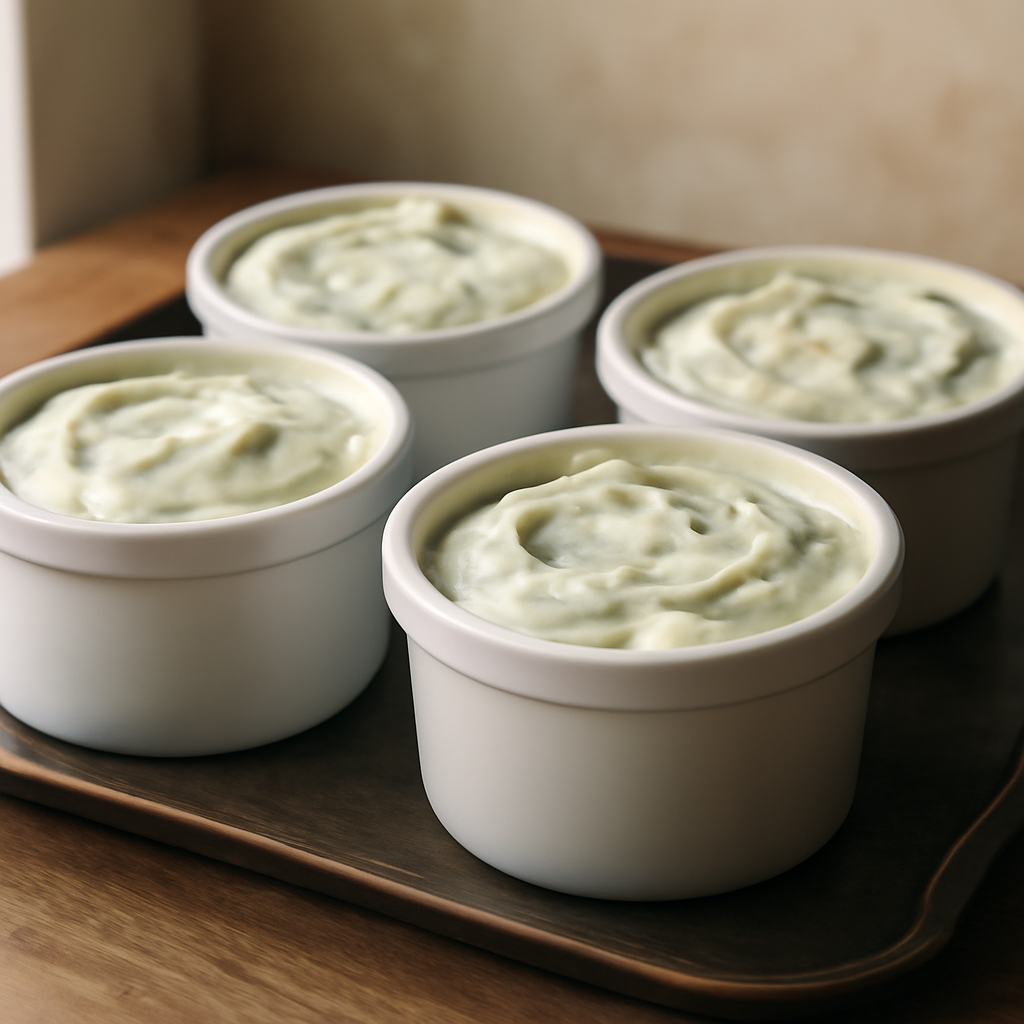
Divide the mixture evenly between the prepared ramekins, filling to about 1cm below the rim. Run your thumb around the inside edge of each ramekin to create a shallow groove in the mixture; this helps the soufflé rise straight rather than splitting sideways.
-
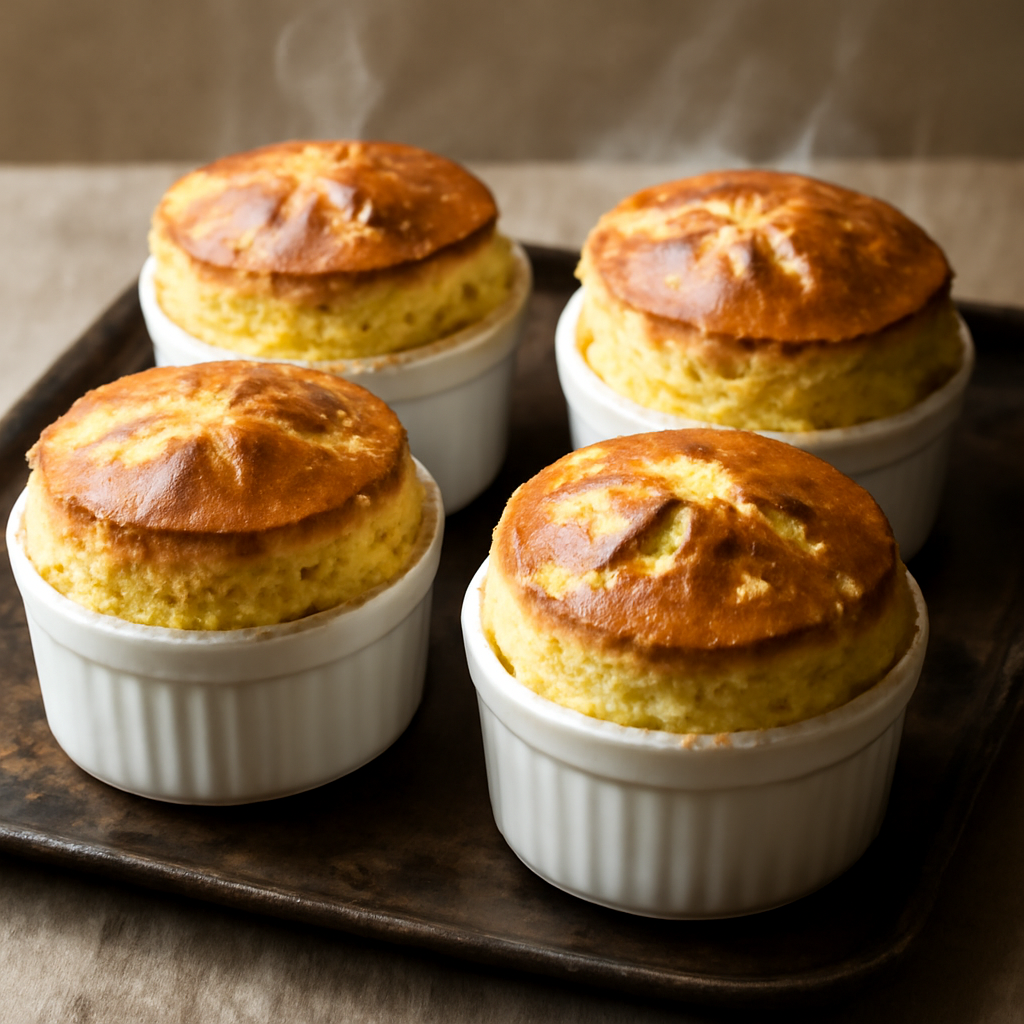
Bake for 22 to 25 minutes until the tops are deeply golden and the soufflés have risen 3 to 4cm above the rim. The outside should feel set when you gently touch the top; there will be a slight wobble in the centre, which is correct. Any more than a slight wobble and they need another 2 minutes. Carry them to the table immediately.
Irish Context
Sorrel grows wild in Irish hedgerows and meadows from spring through to early autumn, and it has been cultivated in kitchen gardens here for a long time without attracting much attention. It is an underused leaf given how reliably it grows in Irish conditions and how little care it needs.
A handful of growers at farmers markets in Dublin, Cork and Galway now sell it in season, and it is worth seeking out over the imported alternatives. The leaf's natural acidity, caused by oxalic acid, makes it well suited to egg-based dishes where something sharp is needed to balance the fat.
Tips
The sorrel base can be made up to 4 hours ahead and kept at room temperature with cling film pressed to the surface. Whisk the whites and fold them in just before baking.
If your sorrel has been sitting in the fridge for a few days it will have lost some of its acidity. Taste the cooked, chopped sorrel before adding it and consider adding a small squeeze of lemon juice to the base if the sharpness is faint.
Do not substitute crème fraîche or cream for the milk; the base needs to be firm enough to support the whites. A béchamel made with cream will be too heavy and the soufflé will struggle to rise.
Gruyère works well here because it melts cleanly into the base without making it stringy or greasy. Comté is a reasonable alternative if Gruyère is unavailable.
If one soufflé collapses before you get to the table, it still tastes good. Serve it in the ramekin and call it a baked egg dish.
Nobody needs to know.

Author Commentary