
 AI
AI
 AI
AI
 AI
AI
Ingredients
Method
-
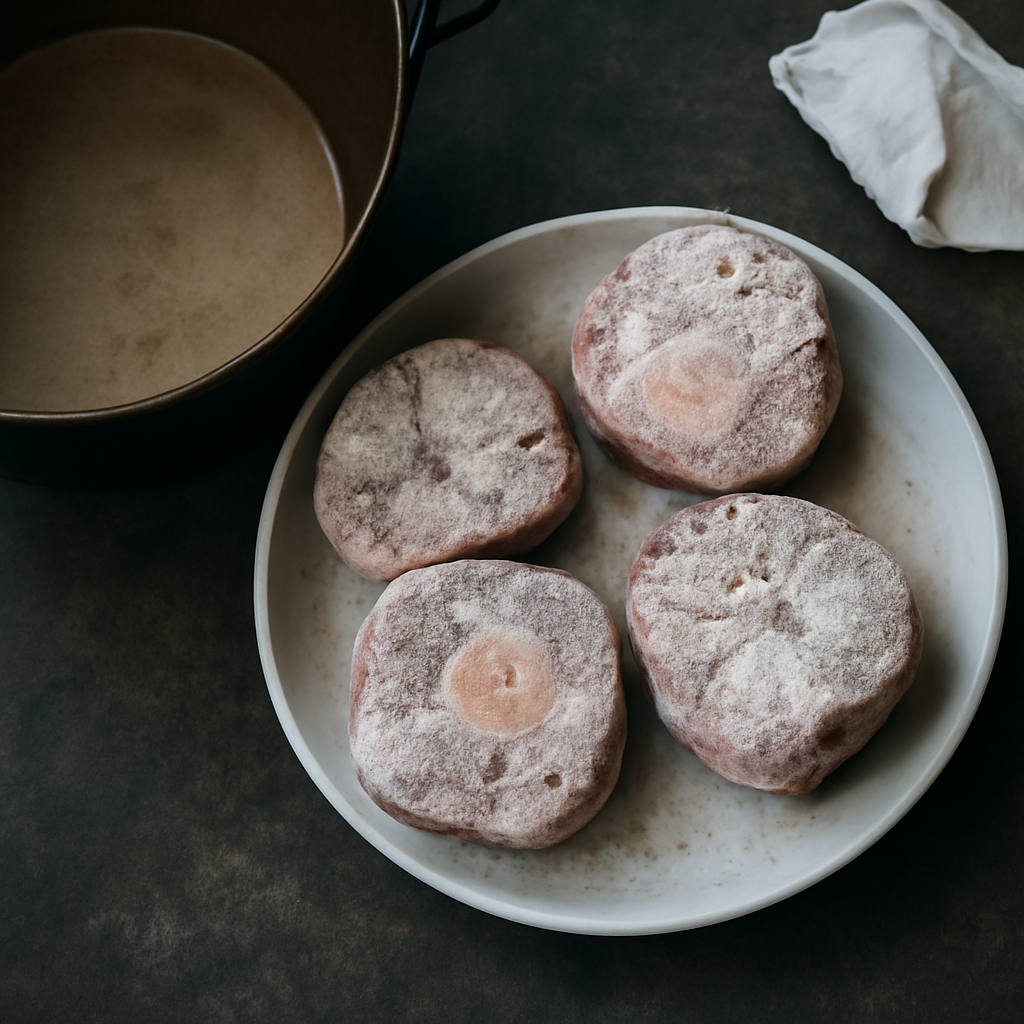
Take the beef shin out of the fridge 30 minutes before cooking. Pat each piece completely dry with kitchen paper. Any moisture left on the surface will steam rather than sear, and you will not get the dark crust you need for the sauce to have depth.
-
Preheat the oven to 160°C (fan 140°C). Season the beef pieces all over with 1 tsp of the salt and all of the black pepper. Dust lightly with the plain flour, shaking off any excess.
-
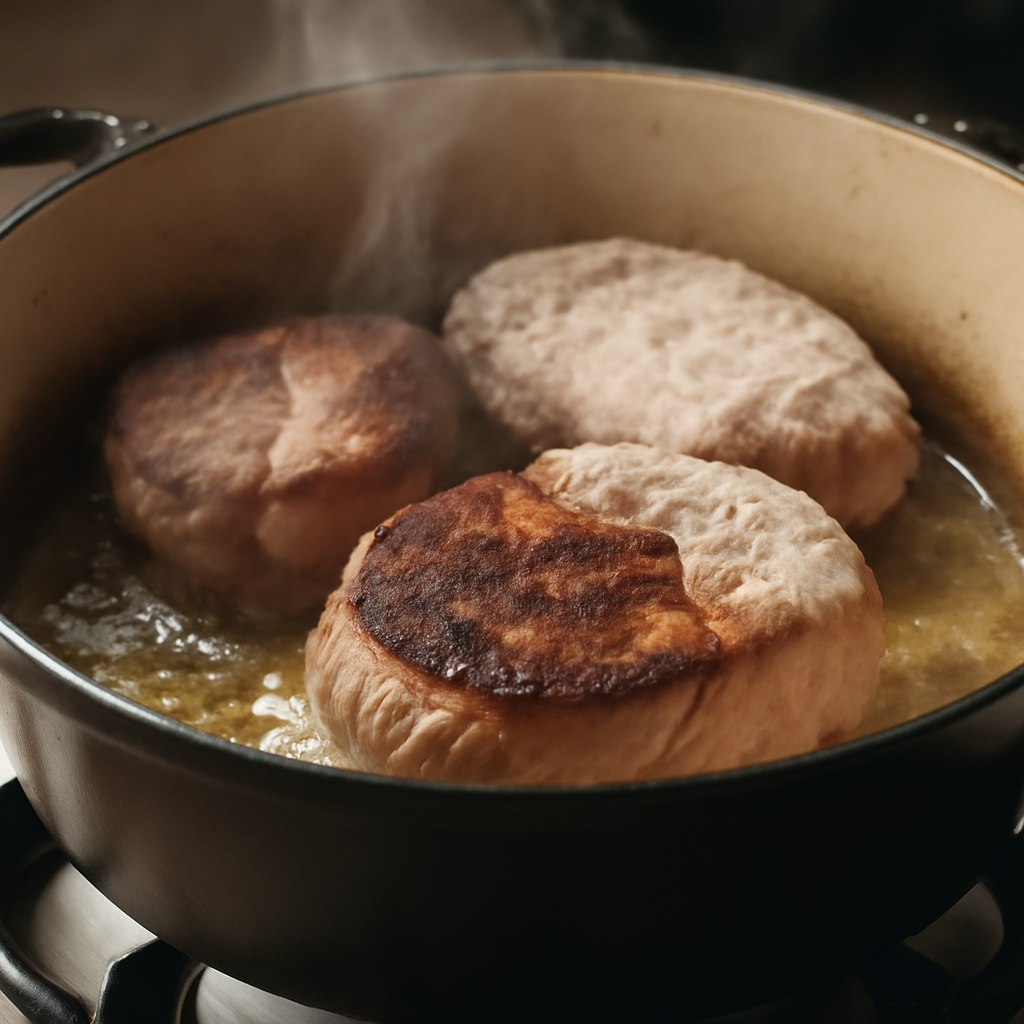
Heat 2 tbsp of the rapeseed oil in a large, heavy-based casserole over a high heat. When the oil shimmers and just starts to smoke, add the beef pieces in a single layer. Do not crowd the pot; work in two batches if needed. Sear for 3 to 4 minutes per side without moving the meat until each face is deeply browned and lifts cleanly from the base. Transfer to a plate.
-
Reduce the heat to medium. Add the remaining 1 tbsp oil to the same casserole. Add the onions and cook for 8 minutes, stirring occasionally, scraping up any browned bits from the base as you go. The onions should soften and turn golden at the edges.
-
Add the celery and carrots. Cook for a further 5 minutes. Add the garlic and tomato puree and stir continuously for 2 minutes until the puree darkens slightly and smells less raw.
-
Pour in the stout slowly. It will foam up. Stir to lift any remaining caramelised residue from the base of the pot. Add the beef stock, Worcestershire sauce, brown sugar, thyme sprigs, bay leaves, and remaining 0.5 tsp salt. Stir to combine.
-
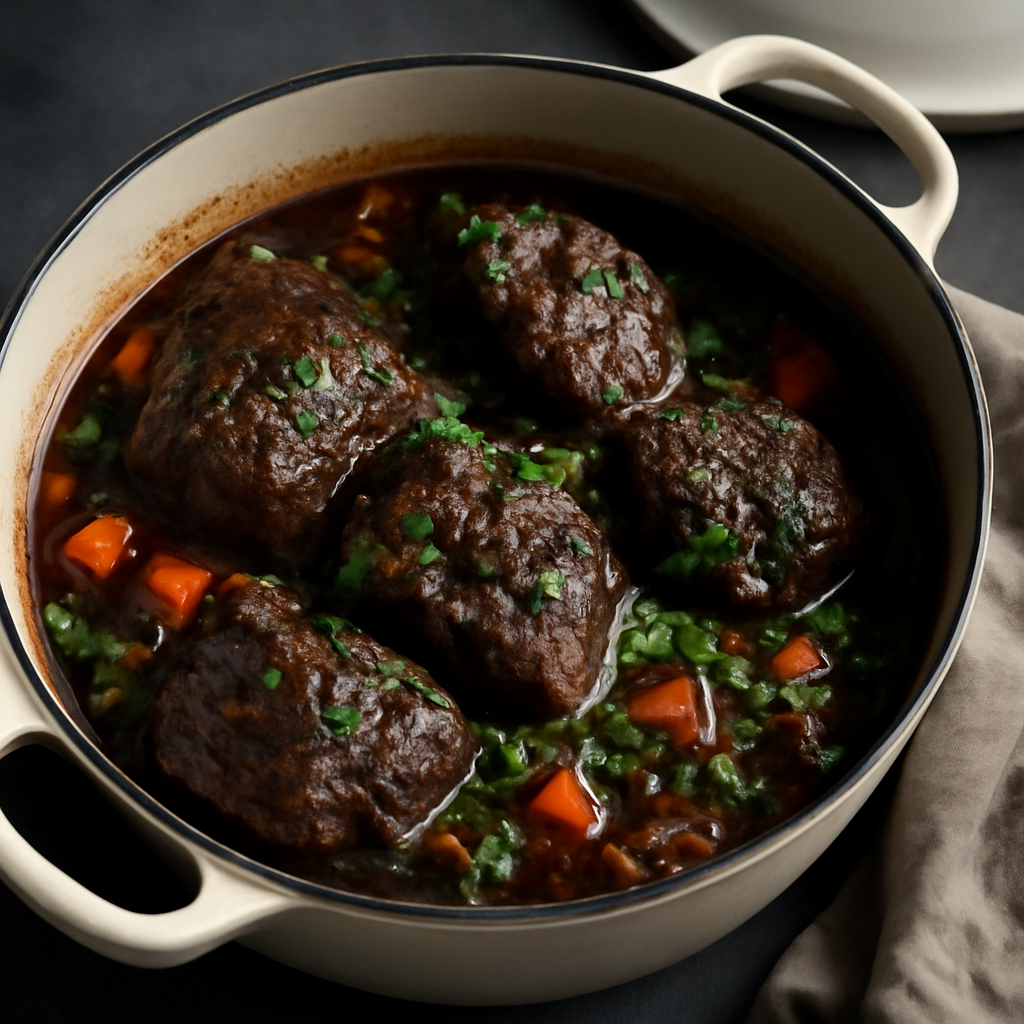
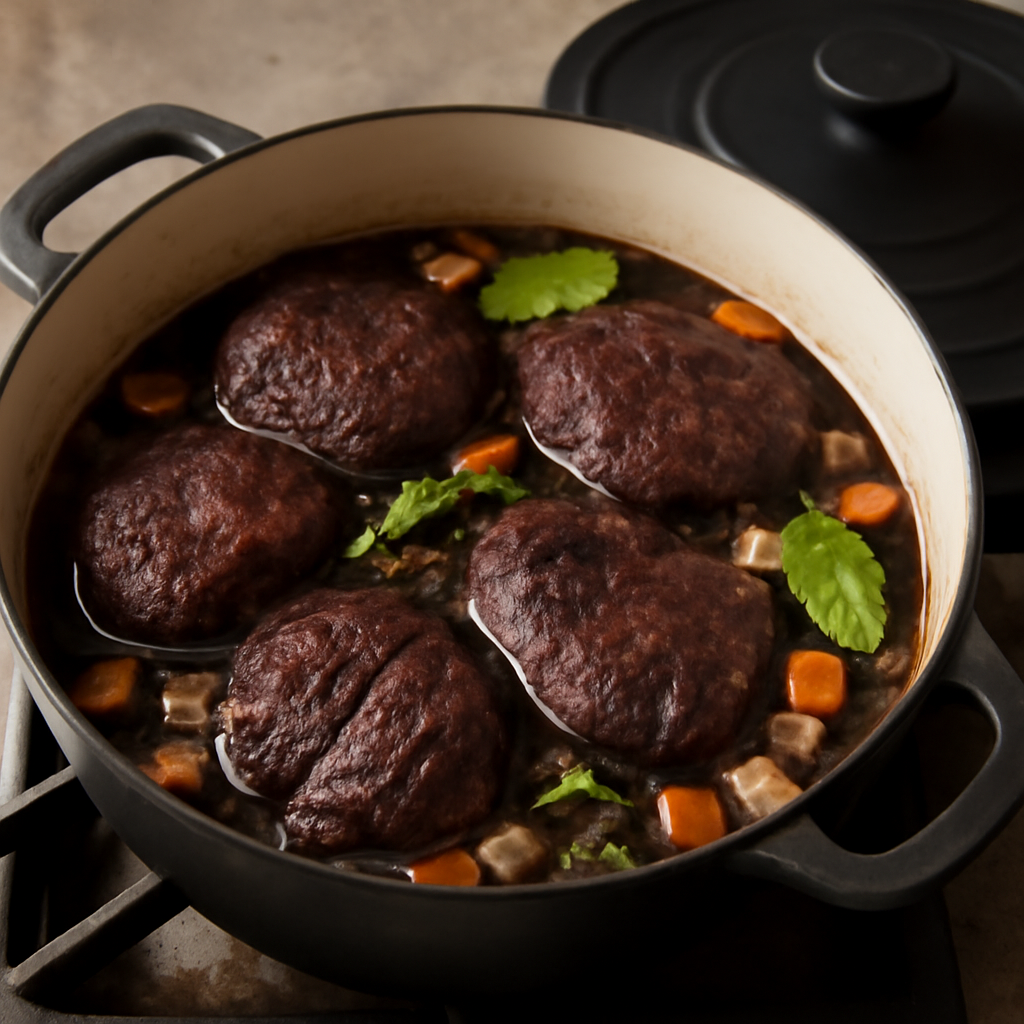
Return the seared beef and any resting juices to the casserole. The liquid should come roughly two-thirds of the way up the meat. Bring to a gentle simmer on the hob, then cover with a tight-fitting lid and transfer to the oven.
-
Braise at 160°C for 2 hours 30 minutes to 3 hours. Check at the 2-hour mark. The meat is ready when it yields completely to a fork and the collagen has broken down to give the sauce a slightly sticky, coating consistency. Shin takes longer than most cuts; do not rush it.
-
Remove the casserole from the oven. Lift the beef pieces out carefully onto a plate and set aside. Discard the thyme sprigs and bay leaves. If the braising liquid looks thin, place the casserole on the hob over a medium-high heat and reduce uncovered for 10 to 15 minutes until it coats a spoon. Taste and adjust seasoning.
-
Return the beef to the sauce. Scatter the chopped parsley over the top just before serving. Serve directly from the casserole.
Irish Context
Stout and beef have been paired in Irish kitchens for a long time, largely because both were available and the combination works. The bitterness in the stout cuts through the fat in the beef and the long braise mellows everything out.
This is practical cooking built around what Irish larders reliably contain, not a recipe that requires sourcing anything unusual. Beef shin is an economical cut that rewards patience; the leg muscle that works hardest produces the most collagen, which is exactly what gives this sauce its body.
Tips
Beef shin is the correct cut here. Chuck or brisket will work in an emergency, but shin has more connective tissue and the sauce will have a noticeably different, more gelatinous body when it reduces.
Ask your butcher to leave the bone in if possible; it contributes to the sauce. The searing step matters more than most recipes admit.
If the beef is not dry, or if the pan is not genuinely hot, you will stew the outside rather than sear it and the sauce will taste flat. The crust provides the colour and a significant part of the savoury depth.
Stout varies in bitterness between brands. If the sauce tastes bitter before going into the oven, the brown sugar corrects it.
Taste and add a little more if needed, but go carefully; a slight bitterness is correct and will mellow during the long braise. This dish is considerably better the next day.
Cool completely, refrigerate overnight, and the fat will solidify on the surface so you can remove it easily. Reheat gently on the hob with a splash of stock or water.
The sauce tightens and the flavour becomes more concentrated. Leftovers shred well between two forks and make a good filling for toasted sandwiches or jacket potatoes the following day.

Author Commentary